


















Pacers Vs Wizards: Siakam Out, Rotation Shifts and a 112-105 Loss That Deepens Short-Term Strain

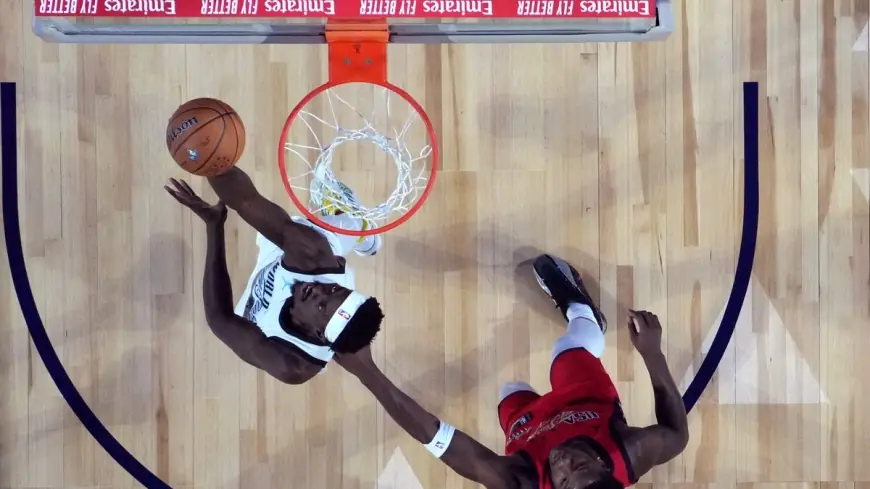
The immediate fallout of the pacers vs wizards matchup landed hardest on Indiana’s depth and lineup planning. With Pascal Siakam missing the first game after the All-Star break for personal reasons and a late update ruling point guard T. J. McConnell out, the Pacers lost 112-105 — forcing short-term role changes and raising questions about how the team will cover heavy scoring minutes.
Pacers Vs Wizards: who feels the impact first — rotations, scoring and availability
Siakam’s absence removes the team’s leading scorer and most consistent double-figure producer, shifting offensive responsibility onto remaining starters and bench pieces. The late availability update that confirmed McConnell would not play further narrows ball-handling options, even though Aaron Nesmith and Micah Potter were cleared to suit up. Here’s the part that matters: those swings change who initiates offense and who must absorb usage immediately.
What’s easy to miss is that Siakam had been extremely durable through the season prior to this break, appearing in the vast majority of games and carrying a scoring load that few teammates have matched. Losing that nightly production alters matchup planning and substitution patterns in ways that go beyond a single box score.
Game context and status updates
The scoreboard from Washington reads Wizards 112, Pacers 105 (Feb. 19, 2026). That final line reflects both a close contest and a team handling sudden absences. The Pacers were already navigating multiple long-term and short-term issues: a recently acquired center remains sidelined with a left ankle sprain and has not yet appeared with the team; a forward has been out since Oct. 26 with a stress fracture and, although he’s had some practice action, the timeline for full return is still extended; two players are out for the season with major lower-body injuries; and three rotation players had been listed as questionable before the late update changed availability for this game.
- UPDATE on availability before the game: T. J. McConnell will not play; Aaron Nesmith and Micah Potter were available.
- Key absences already in place: a newly acquired center remains out with an ankle sprain; another rotation forward has been sidelined since Oct. 26 with a stress fracture.
- Season-ending injuries in the roster include two players with major right-leg injuries.
If you’re wondering why this keeps coming up: this cluster of short-term absences plus long-term losses compresses minutes into fewer players and makes bench scoring and reliable ball-handling immediate priorities for coaches and front offices.
Micro timeline of relevant moments (brief):
- Oct. 26 — Forward sidelined with right-foot stress fracture and out long-term.
- Feb. 3 — Team fined after a controversial decision to hold starters out of a game for rest reasons.
- Feb. 5 — A new center was acquired but remains out with a left ankle sprain and has not yet appeared for the team.
- All-Star break — Siakam had played in most games and carried a heavy scoring load prior to the pause.
- Feb. 19 — Wizards 112, Pacers 105; Siakam absent for personal reasons and McConnell ruled out during the pregame update.
The next confirmation point will be updated availability notes before the team’s following game; those entries will show whether the compressed rotation eases or deepens.
Short, practical implications to watch in the coming days: bench players will likely see immediate spikes in minutes, the offense must redistribute scoring without its leading point contributor that night, and coaching decisions around lineups will clarify which role players are trusted with sustained usage.
The real test now is whether the Pacers can absorb the scoring and playmaking gap without further roster shocks. If mid-week availability reports show returning pieces, pressure eases; if not, the team will need sustained bench production to avoid a longer slide.
Writer’s aside: The bigger signal here is that single-game absences in a compressed stretch expose depth weak spots quickly — short-term injuries compound season-long recovery timelines and force immediate tactical shifts rather than gradual adjustments.