






















Womens Hockey Usa Triumph in Milan: Late Equalizer and OT Winner Shift the Rivalry's Balance

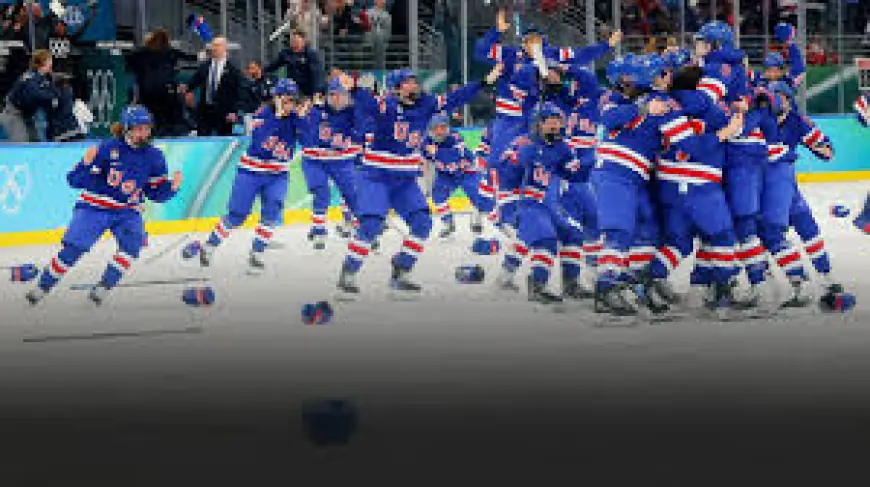
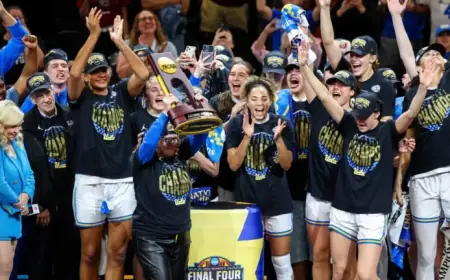
The comeback victory in the Olympic final matters because it changes who feels momentum first: players, fans and the rivalry itself. The win—sparked by a late game-tying goal and settled in overtime—hands the U. S. a gold medal, hands the team captain a new national scoring mark, and hands the roster a fresh claim to being the top side in a long-running North American rivalry. womens hockey usa now moves from dominant tournament favorite to validated champion.
Womens Hockey Usa: immediate effects on legacy, roster morale and the rivalry
Here’s the part that matters: the match did more than decide gold. The captain’s late equalizer erased imminent defeat and turned pressure into momentum; an overtime strike shortly after clinched a 2-1 victory that reshapes headlines and the locker-room narrative. For a roster that had steamrolled earlier opponents—outscoring its first six challengers 31-1 and posting a long streak without conceding—the finish in Milan adds a clutch signature to an already dominant run.
What changes first are perceptions. Teammates gain a confidence edge from surviving a near-loss, the captain’s new scoring record becomes a defining career moment, and the rivalry with the other North American powerhouse tilts toward the U. S. after a sequence of recent competitive edges. It’s reasonable to expect selection committees and opposing coaches to view the Americans differently when planning for the next cycle.
What’s easy to miss is that this wasn’t a one-off: the Americans entered the final having allowed only a single anomalous goal earlier in the tournament, which underlines that the comeback was against the expected flow of the game rather than an upset of an underdog.
Game details embedded: how the equalizer and overtime winner unfolded
Trailing with the net empty and under two-and-a-half minutes remaining, the U. S. captain redirected a point shot from Edwards to tie the game. That strike erased what looked like an imminent loss and forced overtime. A few minutes into the extra period, a turnover during an opponent line change created a length-of-the-ice transition. Taylor Heise intercepted the moment, sent a long pass to Megan Keller, who beat the goaltender after creating space in front of the net to finish the winner and secure the 2-1 final.
- Final score: 2-1 (overtime)
- Tie sequence: late third-period redirected goal by the U. S. captain from an Edwards shot
- Overtime finish: pass from a length-of-the-ice play led to the game-winning goal
The opposing goaltender made several saves and will remember the decisive finishes; the U. S. defensive group and goaltending were otherwise strong throughout the tournament, with the only prior conceded goal described as an odd break in group play.
Short micro-timeline:
- Early tournament: the U. S. outscored its first six opponents 31-1 and posted a long shutout stretch.
- Late third period of the final: the captain’s tying goal with the net empty forced overtime.
- Overtime: the U. S. converted a fast-attack chance into the gold-medal winner a few minutes into extra time.
Readers wondering what confirms this moment as a turning point should track roster continuity in upcoming competitions and whether the team can replicate late-game composure against the same rival. The real question now is how both sides adjust tactically after a high-stakes, tightly contested final.
The victory also has immediate roster implications: it cements a veteran leader’s place in program history and gives younger players a championship blueprint for handling pressure. Fans and future opponents will reference this game when measuring clutch performance and depth under duress.
Editorial aside: The bigger signal here is not just the medal but the manner of the win—coming from behind against the chief rival in the sport’s biggest match suggests a psychological edge that can persist beyond any single tournament.