
























Hilary Knight’s late tying deflection reshapes the U.S. Olympic gold climax and what it means for fans and the team

Why this matters now: hilary knight’s game-tying play changed an outcome that had been trending the other way and handed momentum to teammates who would secure gold in overtime. For supporters, the team, and the sport’s competitive narrative, the moment shifts immediate celebration and longer-term conversations about leadership under pressure.
Hilary Knight’s deflection: who felt the impact and how it altered the night
Here’s the part that matters: the captain’s deflection with roughly two and a half minutes remaining converted a high-risk, pulled-goalie gamble into a tying goal that forced overtime. That single play redistributed pressure—lifting the U. S. locker room and deflating a late Canadian surge—and directly preceded the sequence that ended in an overtime winner for the United States.
What’s easy to miss is the chain reaction such moments create: a tied final sends the game into sudden-death where one opportunistic play determines gold, and it also reframes narratives about resilience, coaching decisions, and late-game tactics for both national programs.
What happened on the ice (concise event details)
The Olympic gold-medal match finished 2-1 in overtime after the United States came back from a late deficit. Canada opened scoring with a shorthanded goal that ended a stretch of shutout hockey that had lasted three hours, 52 minutes, and seven seconds.
- The Americans began the second period on a power play that carried over from a penalty at the end of the first.
- Late in the third, Canada had a power play while still keeping the U. S. scoreless, but the U. S. killed the penalty with just over four minutes remaining.
- With the U. S. having pulled the goalie and about 2: 30 left on the clock, captain Hilary Knight deflected a wrister from the top of the zone to tie the game and force overtime.
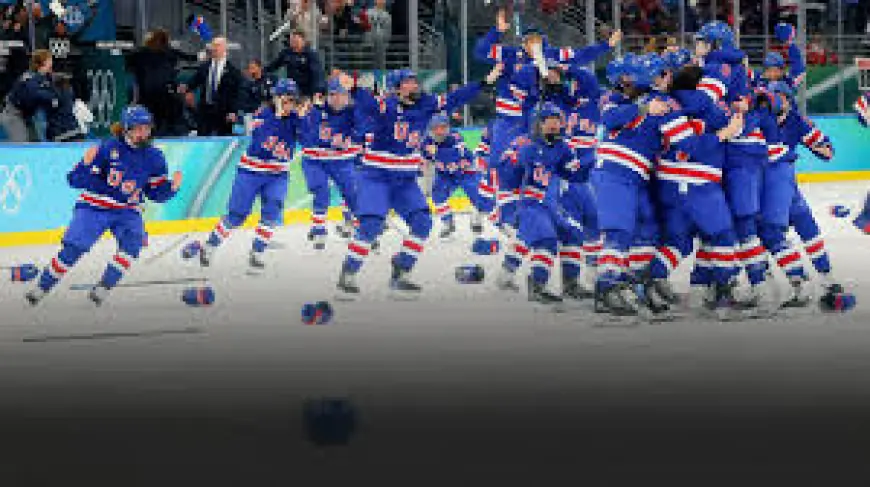
- Four minutes and seven seconds into overtime, Megan Keller executed a move to slip the puck past the Canadian goaltender for the gold-medal-winning goal.
- After regulation play, shots on goal were 29-28 in favor of Canada.
Mini timeline:
- Early: Canada scores shorthanded, snapping a long U. S. shutout run.
- ~2: 30 left in regulation: hilary knight’s deflection ties the game after the U. S. pulled its goalie.
- 4: 07 into OT: Megan Keller scores the sudden-death winner to secure gold for the United States.
The match took place during the winter Olympics event in Milan; the overtime winner arrived early in the extra session and clinched the title for the U. S. women’s team.
The real question now is how this late-game resilience will be dissected by coaches and adopted in future high-stakes strategies: was the pulled-goalie call the decisive risk, or did the captain’s positioning and timing create an unavoidable momentum swing?
Four quick implications to watch in the aftermath: the captain’s standing as a late-game performer will be central to narratives about leadership; reflexes to pulled-goalie situations might be prioritized more heavily in practice; penalty-kill execution under late pressure will be re-examined; and national program comparisons will focus on how teams respond to clutch moments.
The bigger signal here is that single, high-pressure plays can override a game's earlier statistical story—shots and time-of-possession matter, but decisive moments rewrite outcomes.
Writer's aside: It’s easy to overlook how a single deflection can change tournament memory; sports history often remembers the scorer in overtime, but the tying play that creates overtime is equally foundational to the final result.