






















Alysa Liu ends 24-year U.S. Olympic gold drought and immediately reshapes the American women's figure skating picture

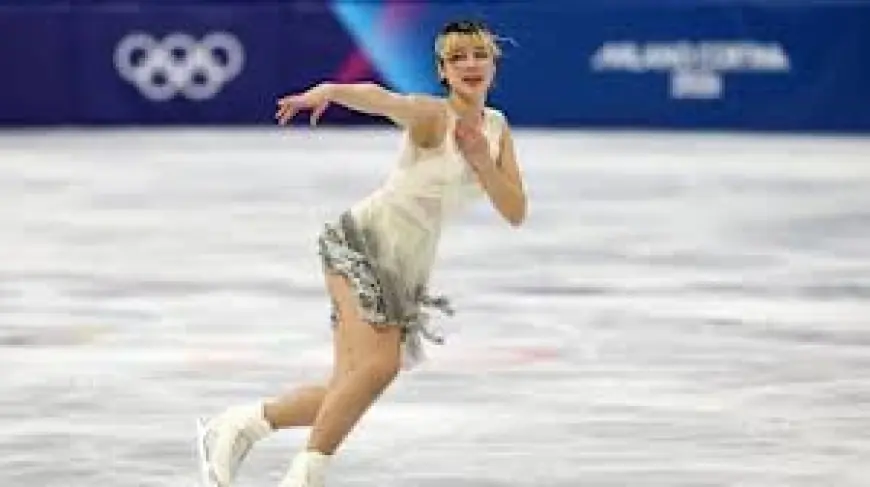
Why this matters now: alysa liu's Olympic triumph isn't just a single medal — it snaps a long U. S. dry spell and arrives after a high-profile return to the sport, changing momentum for American women's figure skating and shifting expectations for the next Olympic cycle. Fans, competitors and team planners feel the impact first as the event resets competitive narratives.
Alysa Liu's win and its immediate impact on U. S. women's skating
The victory closes a 24-year gap for American women at the Olympics and follows a dramatic comeback arc that had been unfolding in recent seasons. Beyond the medal itself, the result repositions the United States inside the sport's top competitive conversation and alters selection and preparation pressure for upcoming international events. Here's the part that matters: this gold is both a performance triumph and a symbolic reset for U. S. programs that have been seeking an individual Olympic champion since the last American title.
- How stakeholders are affected: national team planners and younger U. S. skaters gain a renewed benchmark for technical ambition and consistency under pressure.
- Immediate consequence: judges and competitors now have fresh evidence of what a fully executed long program looks like against top Japanese challengers.
- Next signals that will confirm the turning point: the skater's entries and results at major upcoming events, and whether judging trends reward similar technical content paired with clean execution.
What's easy to miss is how this single result combines comeback narrative with technical execution — a reminder that competitive returns can alter national momentum as quickly as they do personal careers.
Event details and standings embedded in the outcome
In the Olympic women's competition the champion produced a near-flawless long program that clinched the title and denied a clean sweep by Japanese skaters. The champion landed every triple jump in the free skate — seven in total, with three occurring inside combinations — and skated to music identified in coverage as a notable pop classic. The final overall score given was 226. 79 points.
Silver and bronze were taken by two Japanese skaters, with the silver total recorded at 224. 90 and the bronze at 219. 16. Other placements mentioned include a fourth-place finish just off the podium.
The Olympic gold also added to this athlete's haul from the Games: she had already been part of the team event success earlier in the same Olympics, making her a double Olympic champion for the host nation in this cycle.
Micro timeline (key turns that led here):
- She stepped away from competition nearly four years before this return, creating uncertainty about a comeback.
- After an extended absence of nearly two years, the skater resumed training and refocused on competitive goals.
- By mid-2023 the athlete was back training with renewed aims that culminated in this Olympic title.
The real question now is how programs and younger skaters will respond to this combined example of technical range and competitive composure — will it raise selection standards or change training emphasis?
- U. S. women's skating receives a renewed public narrative and a new reference point for elite success.
- Competitors globally will reassess routine construction where clean execution is prioritized alongside technical difficulty.
- Confirmation of a sustained shift would come if the champion posts strong results at the next major international events and maintains the consistency shown here.
- National team decisions about athlete development and international entries are likely to be influenced by this outcome.
Editorial aside: The bigger signal here is how a single comeback performance can compress several years of uncertainty into a decisive moment that redirects both public attention and technical expectations in a sport that prizes incremental gains.
Final note: details from the competition and scores are those published during event coverage; elements like the program music, jump content and exact scoring were central to the title outcome and to the broader competitive implications described above.