

















Medal Count: Updated Standings at the 2026 Winter Games on Feb. 19 Highlight U.S. Medalists and Norway’s Youth Model

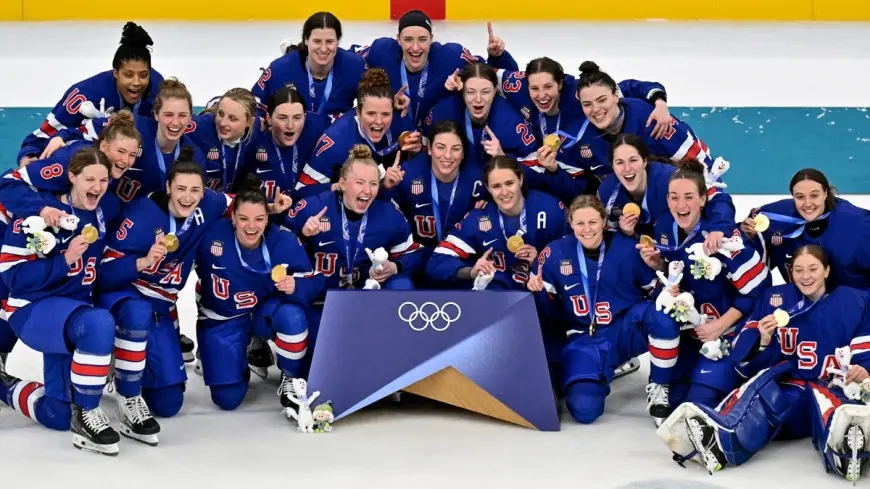
An updated medal count at the 2026 Milano Cortina Winter Olympics is available on the morning of Thursday, Feb. 19, reflecting podium finishes through the event's schedule; the tally matters as nations compete across 116 events. All data are accurate as of Thursday, Feb. 19, 2026, at 5: 00 p. m. ET.
What happened and what’s new
More than 90 countries are competing for Winter Olympic medals across 116 events staged over 16 days. Organizers and trackers have published the latest medal standings for the morning of Thursday, Feb. 19, showing updated placements as events progress. A team of more than a dozen journalists is on the ground in Italy to provide behind-the-scenes coverage focused on national teams, including Team USA. Broadcast coverage is being distributed exclusively across a major broadcaster’s suite of networks, with many competitions also available live on a streaming service.
Medal Count snapshot
The current medal count is presented as an evolving tally tied to the daily schedule of events. Separately, one nation’s long-term dominance in winter competition is reflected in its all-time totals: that country leads the all-time Winter Olympics medal count with more than 400 medals and is described as being on pace to top the medal table for a third consecutive Winter Olympics in 2018, 2022 and 2026. National medal tallies continue to shift as the remaining events conclude and medalists from multiple countries add to the standings.
Behind the headline
The ongoing medal tally sits at the intersection of event scheduling, national program depth and youth development systems. One country’s sustained success is traced to a youth sports philosophy that delays scorekeeping until age 13, provides participation trophies for all participants, discourages travel teams and early specialization, avoids national championships for children, and does not use online rankings for youth. The model also keeps annual youth sports costs typically below a stated benchmark, and it yields a high participation rate among young people—cited at 93%—a figure described as substantially higher than the comparison provided for another country.
Those structural choices are presented alongside examples of high-level athletes from that country across summer and winter sports, illustrating a broader pipeline that extends beyond winter disciplines. For journalists and broadcasters covering the Games, the medal count becomes a running narrative about national programs, individual breakthroughs and the cumulative result of development systems.
What we still don’t know
- The precise, event-by-event medal totals for every nation as of the Feb. 19 update are not listed here.
- Which nation leads the 2026 Games medal table at this snapshot is not specified in full detail.
- Final medal totals and the ultimate ranking when the Games conclude remain unconfirmed.
- The specific impact of individual medal wins on broadcast audience figures and commercial metrics is not provided.
What happens next
- Continued daily updates: As remaining competitions are held across the schedule, the medal count will shift; each podium finish will move national tallies and potentially alter rankings.
- Acceleration by established programs: Nations with deep athlete pools may consolidate positions if they continue to win multiple medals in remaining events; the pace of medal accumulation will be a key trigger.
- Breakthroughs for emerging teams: Unexpected podiums by athletes from a wider set of countries could compress standings and change media narratives about dominance.
- Post-Games analysis: The accumulation of results will feed assessments of national development models, including youth participation rates and cost structures, prompting debate about program design.
Why it matters
The medal count functions as a real-time measure of competitive success at the Winter Games and shapes national narratives about sport performance and development. For athletes and federations, medals are benchmarks of program effectiveness; for broadcasters and audiences, the tally drives coverage priorities and viewership attention as events progress. The contrast between different national approaches to youth sport—highlighted here by a model that emphasizes broad participation and delayed specialization—frames longer-term discussions about how countries build depth and sustain success across Olympic cycles. Near-term, medal outcomes will determine final rankings, shape post-Games evaluations and influence conversations about youth participation, funding and coaching strategies in the seasons ahead.