




















Abby Winterberger's Olympic Debut: 15-Year-Old California Halfpipe Skier Competes at 2026 Games While Bonita Springs Grandparents Cheer

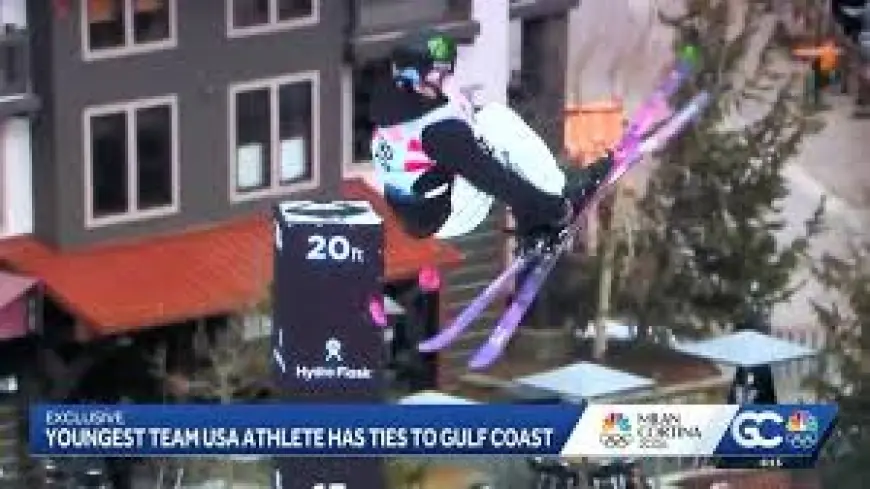
Abby Winterberger, a 15-year-old halfpipe skier from California, made her Olympic debut at the 2026 Winter Olympics and fell short in the women's freeski halfpipe. The outing drew attention both for her youth—she is the youngest U. S. athlete at these Games—and for the personal spotlight of grandparents in Bonita Springs cheering her on.
What happened and what’s new: Abby Winterberger’s Olympic debut
Confirmed facts from available coverage indicate that Abby Winterberger competed in the women's freeski halfpipe at the 2026 Winter Olympics. She did not advance to a medal finish, described in coverage as having "fallen short" in the event. Local family support was highlighted, with grandparents in Bonita Springs identified as cheering for her during the Olympic debut. Winterberger is identified as a 15-year-old athlete from California and as the youngest member of the U. S. delegation at these Games.
Behind the headline
The immediate context is a youthful athlete stepping onto the Olympic stage. Abby Winterberger's appearance connects three distinct threads present in the coverage: the athletic milestone of an Olympic debut, the human-interest element of family support from grandparents in Bonita Springs, and the broader note that she is the youngest U. S. competitor at the 2026 Winter Olympics. Those elements together explain why her performance attracted attention beyond the single result.
- Stakeholders: the athlete and her family are central; Team USA's delegation is a contextual stakeholder through selection and support; spectators and youth sport development programs have an interest in the progression of young competitors.
- Incentives and constraints: the milestone of an Olympic debut offers visibility and development opportunity for a young athlete, while competitive outcomes at this level are constrained by experience and the pressure of an elite international field.
What we still don’t know
- Specific placement, scores, or judging details from the women's freeski halfpipe event are not provided in the available context.
- Information on Winterberger's reaction, post-event plans, or comments from coaches and teammates is not included.
- Details about her broader competitive history, training schedule, or qualifying pathway to the Olympic team are not present.
- Any subsequent scheduling for future events or immediate next competitions for Winterberger is unconfirmed.
What happens next
- Continued development path: Abby Winterberger could return to regular competition and training with a focus on gaining experience ahead of future international events; this path would be driven by coaching decisions and athlete goals.
- Media and public attention: as the youngest U. S. athlete at the Games, Winterberger may receive increased visibility that could affect her support network and resources; how that attention is managed will shape short-term opportunities.
- Family and local support dynamics: the spotlight on Bonita Springs grandparents cheering for Winterberger could translate into sustained community interest and local recognition.
- Selection and development decisions: national team coaches and program managers may weigh this Olympic experience when planning future assignments and training priorities for Winterberger.
Why it matters
Abby Winterberger's Olympic debut matters on several levels. For the athlete, competing at the Olympics at age 15 represents an early-career milestone and a benchmark for future development. For family and local supporters—markedly the grandparents in Bonita Springs—the appearance is a moment of personal pride that draws community attention. For youth sports observers and program planners, the presence of very young athletes on an Olympic roster invites questions about athlete development timelines, the balance between competitive exposure and long-term progression, and how best to support emerging talent. In the near term, the practical implications are focused on Winterberger's immediate recovery, training adjustments, and planning for the next competitions where she can build on the experience gained at the 2026 Winter Olympics.