























Delta Airlines Flight Diverts After Passenger Attempts to Reach Cockpit, Renewing Focus on Unruly Travel and Cockpit Barriers

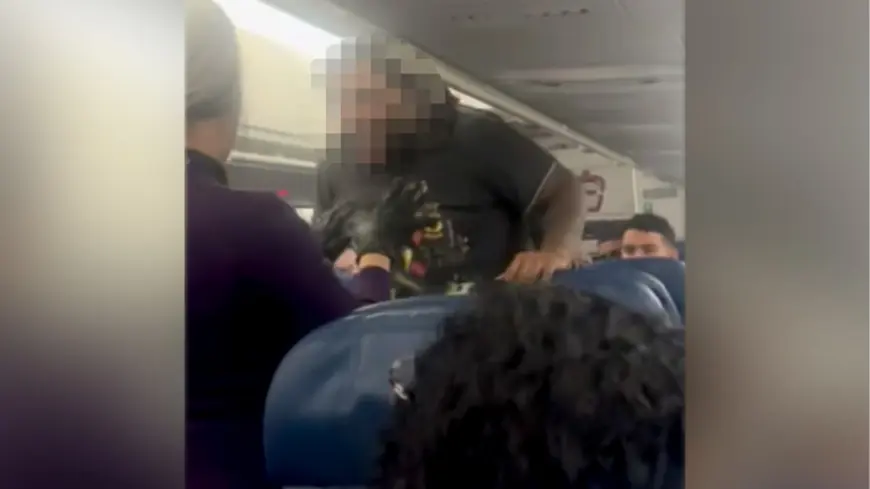
A Delta Airlines flight departing Houston’s Hobby Airport made an emergency return after pilots declared an emergency when a passenger tried to access the cockpit, prompting law enforcement to meet the aircraft and raising fresh concerns about unruly behavior on planes and cockpit security.
Delta Airlines emergency landing and timeline
The flight, identified as Delta 2557, had just taken off for Atlanta with 85 customers and five crew members on board when the pilots declared an emergency. The aircraft, a Boeing 717, returned to William P. Hobby Airport and was met by law enforcement on the ground. Audio from air traffic control exchanges captured the crew relaying that a passenger had attempted to approach the flight deck and had assaulted another passenger.
Officials indicated the flight had been airborne for a short period—about 15 minutes—before landing. Video shows a passenger with bound hands being escorted off the aircraft. Law enforcement detained the individual and transported them for a mental health crisis evaluation. No charges have been filed and no arrests have been made; the investigation into the incident remains ongoing. The flight later re-departed and arrived in Atlanta roughly 90 minutes behind schedule.
Unruly passenger trend and the cockpit barrier debate
The Houston incident underscores a broader pattern of disrupted flights and unruly passenger incidents that surged during the pandemic and remain elevated compared with pre-pandemic levels. Aviation authorities have flagged an increase in reported unruly cases in recent years, and industry data show that the current year is on pace for a significantly higher total of reported incidents.
Aviation professionals stress that any attempt to approach the cockpit mid-flight is treated as a serious security concern. A retired airline captain described such behavior as a ‘‘cardinal sin’’ and a strict breach of in-flight safety norms. The episode has renewed attention on cockpit protections and the argument for enhanced physical and procedural safeguards to prevent unauthorized access to the flight deck.
Immediate consequences and next steps
Following the diversion, the crew requested medical evaluation for the passenger who was assaulted, and first responders were asked to stand by. The Federal Aviation Administration confirmed the flight returned safely after the crew reported a disturbance and stated it will investigate the matter. Airline personnel emphasized a zero-tolerance stance on unruly behavior and apologized to customers for the disruption and delay in their travel.
Investigators will examine crew and passenger accounts, audio communications, and video evidence captured during the event. The detained individual’s transport for a mental health evaluation was noted by local law enforcement, and officials have not filed charges. The outcome of the ongoing investigation will determine whether further legal or administrative actions follow.
What this means for travelers and the industry
Passengers and crews face heightened awareness about in-flight safety after this diversion. The incident contributes to the continuing conversation within the aviation sector about how best to prevent and respond to onboard disturbances and whether additional investments in cockpit barriers and crew training should be prioritized. For now, regulators are reviewing the facts of the case while carriers emphasize enforcement of conduct rules and the importance of rapid crew response when situations arise.
Details remain subject to updates as the investigation progresses; officials have characterized the matter as an active inquiry and have not finalized any determinations.