

























Iftar Time 2026 and the start of Ramadan: what to expect on day one

With moon spotters confirming the crescent on Tuesday, Feb. 17, Saudi Arabia set the first day of fasting for Wednesday, Feb. 18, and many communities are already checking suhoor schedules and iftar time 2026 as the month begins.
Iftar Time 2026: how long will the fasts be?
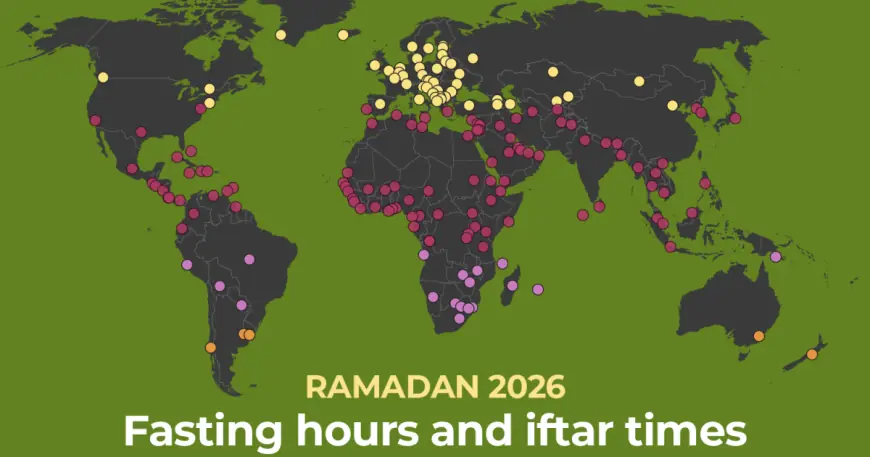
Fasting this year will span a wide range of daylight hours depending on location, with dawn-to-dusk fasts lasting anywhere from about 11. 5 to 15. 5 hours globally. For most people in the Northern Hemisphere, the first day will have shorter fasts of roughly 12 to 13 hours, while residents of southern countries such as Chile, New Zealand and South Africa can expect first-day fasts of about 14 to 15 hours. The month itself will run 29 or 30 days, and the daily pattern — suhoor before dawn and iftar at sunset — will repeat each day throughout Ramadan, so local iftar time 2026 will change slightly day to day.
Crescent sighting and the official start
Moon spotters in Saudi Arabia verified the waxing crescent on Tuesday, Feb. 17, and Saudi authorities announced the first day of fasting would be Wednesday, Feb. 18. The start of Ramadan hinges on that thin crescent that marks the beginning of each Hijri month. Nearly 2 billion Muslims worldwide observe Ramadan; on the first day families will wake before dawn for suhoor, refrain from eating and drinking from dawn until sunset, and break the fast together at iftar.
Practices during the month and the next milestone
During daylight hours, observers abstain from eating, drinking, smoking and sexual relations to cultivate greater taqwa, or consciousness of God. Nights often include the optional Taraweeh prayers after the five daily prayers, and communities exchange greetings such as "Ramadan Mubarak" and "Ramadan Kareem. " Exemptions apply for those who are ill or otherwise unable to fast; people who cannot make up missed fasts because of illness may give fidya in place of each missed day. Ramadan advances about 10 to 12 days earlier each solar year because the lunar Hijri calendar uses 29- or 30-day months.
Eid al-Fitr, the festival that marks the end of Ramadan, is likely to begin on the night of March 18, 2026. That date will follow the completion of the 29- or 30-day month and will be accompanied by community prayers and customary celebrations on the morning of Eid.
Officials and communities will publish local suhoor and iftar schedules in the days ahead; for now, the confirmed calendar anchors are the crescent sighting on Feb. 17, the first day of fasting on Feb. 18 and the likely start of Eid on the night of March 18, 2026.