

























Ski Mountaineering Debuts at Milan-Cortina: What to Watch as Skimo Makes Its Olympic Entrance

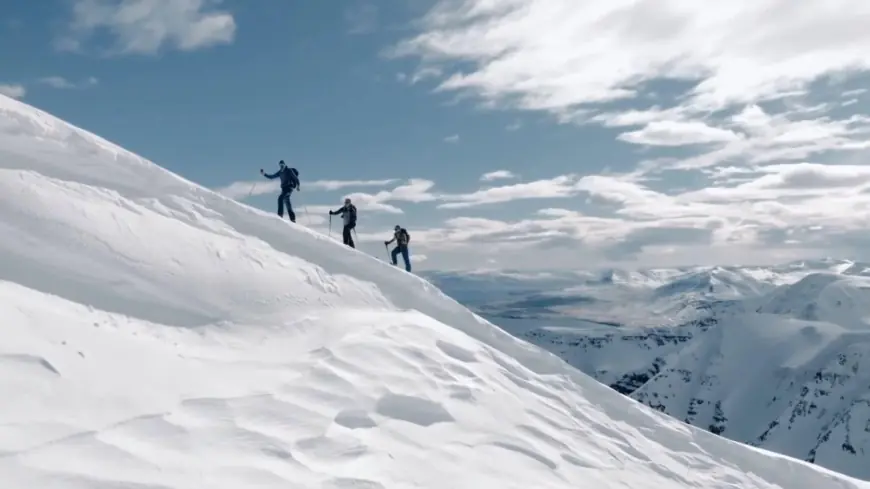
Ski mountaineering has made its Olympic debut at the Milan-Cortina Winter Games, bringing a sport rooted in Alpine tradition to the world stage. The inclusion showcases a demanding discipline that tests uphill power, technical transitions and downhill speed — elements that could broaden the Winter Games’ athletic range and create new fan interest.
Ski Mountaineering: Event Format and What to Expect
The Olympic program features sprint races for men and women plus a mixed relay, each built to highlight the sport’s unique combination of climbing and descent. In the sprints, athletes climb on skis, remove their skis to continue on foot, then reattach skis to complete a final ascent and the downhill. Sprint climbs reach roughly 230 feet in elevation and each sprint runs about three minutes.
- Individual sprints (men’s and women’s): uphill on skis, a run on foot, skis reattached for a final ascent, then a downhill; climbs reach about 230 feet; races take roughly three minutes.
- Mixed relay: the female partner completes two ascents of 400 to 500 feet and two descents before the male partner repeats the course; the full relay lasts around 30 minutes.
Transitions are a central competitive element. Racers use skins affixed to the bottoms of their skis for traction while ascending, then must remove skins and reattach skis quickly for the descent. Speed and cleanliness in these transitions often decide races, making technical practice as vital as uphill fitness.
American Contenders and the Sport’s Olympic Future
U. S. representation includes athletes who earned Olympic berths after a standout finish in a mixed relay World Cup event in December. One of the team’s most decorated figures is an athlete described as the most decorated American in the discipline; another U. S. teammate also qualified and competes at the Games. An early North American champion played a role in building the sport domestically by founding a club and supporting youth programs, helping to expand participation and create competitive structure.
The sport’s Olympic debut is the first new winter discipline added since snowboarding joined the program in 1998, with historical context noting that skeleton evolved into a Games staple after early appearances. Organizers have not announced whether ski mountaineering will be included in the next Winter Games in the French Alps. Supporters point to the sport’s deep roots and popularity in Italy, France and Switzerland as factors that could bolster its prospects.
Beyond immediate Olympic impact, governing bodies are pursuing future inclusion in other host cities. One international federation is working to secure a spot for the event at the 2034 Winter Games in Utah. The pathway from niche mountain tradition to recurring Olympic discipline will depend on local organizing committees, continued international interest and successful execution on the Olympic stage.
What Viewers Should Watch
For spectators new to the sport, attention should be paid to three elements: uphill power, transition technique, and downhill speed. The explosive climbs demand repeated bursts of high effort; efficient skin removal and ski reattachment shave crucial seconds; and the downhill sections reward precise skiing after an exhaustive ascent. These components combine to create tense, fast-paced races that pack a lot of action into short formats.
Recent updates indicate that as ski mountaineering settles into the Olympic program, details of future inclusion may evolve. For now, the Milan-Cortina presentation offers a concentrated showcase of a discipline with deep cultural roots and physical demands that stand apart from established winter sports.