























Hazing footage reverberates across campus after body‑cam shows 56 pledges blindfolded and covered in substances

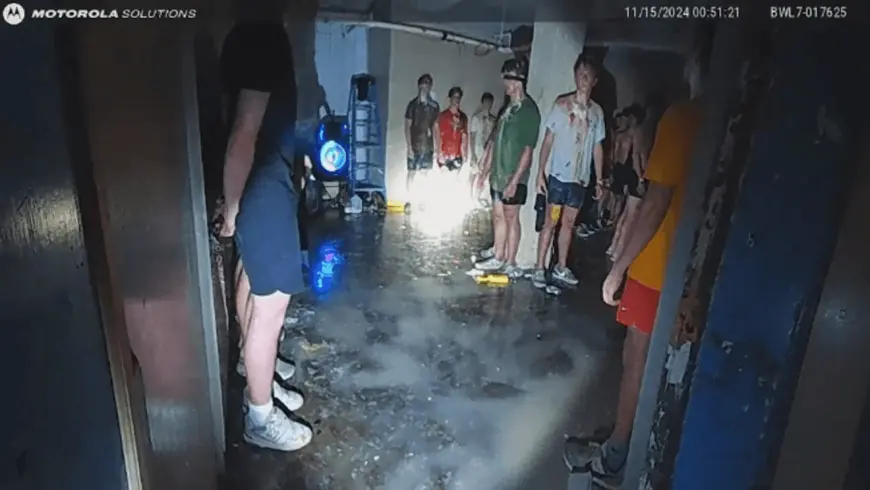
Students, university leaders and Greek life are feeling the immediate shock from a released body‑camera clip that centers on hazing and campus safety. The footage — which circulated widely online and drew massive viewership — has intensified disciplinary action already in motion and refocused conversations about how campuses identify and respond to risky initiation rituals.
Hazing’s immediate impact: who on campus is most exposed and why this matters now
The first and most visible impact is on the students directly involved: 56 pledges were found in two dark rooms when responders entered a fraternity basement after a fire alarm. That group’s safety and wellbeing became the core operational concern for emergency personnel on scene. Beyond those individuals, the episode has ripple effects across student life — from other Greek organizations under suspension to the university’s disciplinary timeline and education programs.
Administratively, the chapter linked to the incident faces an extended suspension that will keep it off campus through summer 2029, and at least three fraternities are currently suspended at the university. The suspended chapter reportedly underwent membership changes and anti‑hazing education programming as part of the discipline process.
What's easy to miss is how quickly a single clip can turn into an operational headache: staff time for investigations, medical checks for those found in the basement, and additional oversight for other Greek groups. The wider student body is reacting to the optics just as much as to the safety questions raised by the scene.
Event details and on‑the‑ground findings
Emergency responders entered the fraternity after a fire alarm in November 2024 and encountered crowds of shirtless men in the basement. Some were blindfolded; some were covered in substances described in the footage as including ketchup and alcohol. Officers located 56 pledges split between two dark rooms and spoke with the group to assess whether anyone was present against their will; those pledges responded that no one was there unwillingly.
At one point during the response, an individual in the house shouted slurs and repeatedly interrupted conversations between officers and the pledges. That person was arrested on interference charges; those charges were later dropped. The body‑camera footage was released after the footage began drawing intense online attention, and the clip has since drawn significant public viewership as students and others on campus watched the encounter and reacted.
- How discipline unfolded: the fraternity chapter was suspended through summer 2029 and underwent membership removals and anti‑hazing education steps.
- Broader pattern: there have been other Greek suspensions in recent years, contributing to heightened scrutiny of fraternities on campus.
- Operational note: officers checked for medical needs and tried to identify who was in charge, with limited cooperation from people inside the house.
- Legal follow‑up: at least one arrest was made during the response; charges tied to that arrest were ultimately dropped.
Here’s the part that matters for campus planning: the incident both triggered immediate disciplinary consequences and energized student debate about oversight, prevention and accountability. The real question now is how the university balances punitive measures with education to prevent future incidents while monitoring safety risks in real time.
Micro timeline (verifiable points):
- November 2024 — Responders entered the fraternity basement after a fire alarm and found 56 pledges in two dark rooms.
- Shortly afterward — Body‑camera footage showing the scene began circulating widely online and drew heavy viewership.
- Following the release — The chapter was suspended through summer 2029 and underwent disciplinary and educational steps; multiple Greek organizations at the university are currently under suspension.
The bigger signal here is how a single piece of video can accelerate administrative decisions and campus conversations at the same time. Students involved in Greek life, campus safety staff, and university administrators are the most immediately affected groups; alumni and families will likely be watching how enforcement and education change in response. If additional disciplinary findings or medical reports surface, those developments will determine whether policy changes follow the current sanctions.
It’s easy to overlook, but incidents like this often leave lasting reputational and operational consequences even after immediate charges or arrests are resolved.