
















Alysa Liu’s Joyful Free Skate Clinches Gold in 2026 Winter Olympics Women Single Skating Free Skating

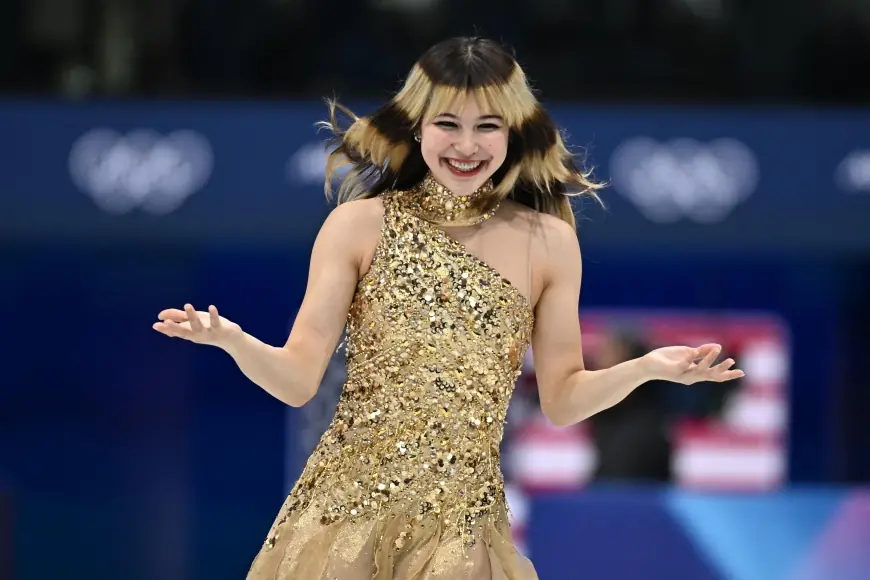
Alysa Liu executed an exuberant free skate set to Donna Summer’s "MacArthur Park" that vaulted her to Olympic gold in the 2026 Winter Olympics Women Single Skating Free Skating, ending a long stretch without an American individual medal. The performance, widely described as powered by joy, contrasted with the pressure-driven narratives that have shaped women’s skating in recent decades.
What happened and what’s new in 2026 Winter Olympics Women Single Skating Free Skating
Confirmed details from the competition: Alysa Liu, a 20-year-old from California, produced a free skate that secured Olympic gold. The victory concluded what a commentator characterized as a two-decade period without U. S. women winning an individual Olympic figure skating medal since 2006.
Other confirmed performances of note: Amber Glenn entered the free skate in 13th place and delivered what was described as a season-best free program, opening with a strong triple axel and landing five of her planned jumping passes. A recurring problem with the triple loop—a jump with a base value noted in analysis—remained an obstacle; Glenn ultimately finished fifth overall, 4. 25 points short of the podium.
Isabeau Levito had been eighth after the short program and delivered a free skate set to Cinema Paradiso, continuing an Italian-themed short program that featured a Sophia Loren medley. Observers highlighted Levito’s precision and classical presentation.
Behind the headline
The immediate context is a perceived stylistic shift. Liu’s gold-medal free skate was framed as less about fear-driven perfection and more about exuberance and joy, offering an alternative model for top-level women’s skating. That framing intersects with long-standing narratives about American skaters who have fallen short under expectation in previous Olympic cycles.
Key stakeholders include the athletes themselves—Liu, Glenn and Levito—coaches and national team programs that shape training priorities, and fans and commentators who influence public perception of what elite women’s skating should look like. For athletes, competitive incentives balance technical difficulty and program presentation; for national programs, Olympic medals carry program-level prestige and funding implications.
What we still don’t know
- Complete official scoring breakdowns and technical-stat details for the event beyond the general outcomes summarized here.
- How the result will influence long-term training priorities for U. S. women’s programs and rival federations.
- Individual athletes’ plans and program changes for upcoming seasons following these Olympic performances.
- Broader reactions within judging and rule-making circles about any inferred stylistic shift toward joy or presentation over pressure-driven technical risk.
What happens next
- Consolidation of Liu’s competitive profile: continued top-level assignments and media attention could reinforce a presentation-first narrative if she maintains results. Trigger: follow-up wins or high-profile appearances.
- Technical reassessments by rivals: skaters who fell short may intensify work on specific elements (for example, consistent triple loop execution or additional technical content). Trigger: public statements about program revisions or off-season training reports.
- Programmatic shifts within national programs: the U. S. setup may emphasize mental-health-friendly preparation and performance joy if viewed as a competitive advantage. Trigger: changes announced by team leadership or coaching staffs.
- Judging and scoring debate: the interplay between technical base value and program components may resurface as commentators weigh Liu’s style against technical risk. Trigger: formal critiques or discussion in expert forums and meetings.
Why it matters
Near-term, the result ends a prolonged period without U. S. individual medals in women’s Olympic figure skating, a milestone with symbolic weight for athletes and national programs. For competitors, Liu’s victory offers a visible template that joy and confident presentation can coexist with medal-winning technical execution. For the sport, the distribution of podium spots and the narratives around pressure, mental turbulence and resilience are likely to be reconsidered in training rooms and commentary alike.
Practically, athletes who narrowly missed the podium may adjust elements that cost them points, while coaches and federations evaluate the balance between technical risk and program composition. The immediate aftermath is likely to shape selections, program choices and public expectations through the next competitive season.