



















How Big Zuu’s Cameo Raised the Stakes — Fifth Candidate Fired After ‘Boring’ Water Branding Misstep


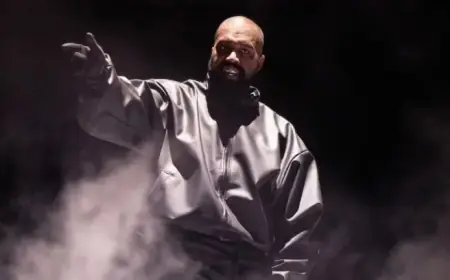
The immediate impact landed on a pharmacist who was held responsible for her team’s creative failings — and a celebrity cameo helped make the moment more public. The cameo from big zuu was folded into a branding challenge for bottled water where live social selling and a television advert were judged; the result reshaped how accountability and creative risk are being read on the programme. Who feels it first are contestants whose businesses depend on branding clarity and pitch discipline.
Big Zuu’s appearance sharpened scrutiny on creative choices and accountability
Here’s the part that matters: bringing a public-facing figure into the judging mix changed the optics of a routine branding task. The guest contribution meant losing teams faced not just the main panel’s critique but a visible, brand-savvy perspective during evaluation. The afternoon’s errors — a confused target audience, weak research and an underwhelming advert — no longer felt like classroom missteps but public evidence of poor market instincts.
- Public attention was focused on branding decisions rather than product mechanics — which put a premium on creative leadership.
- Participants whose businesses rely on personal reputation or marketing clarity now face immediate reputational exposure when judged on live social platforms.
- Small teams that don’t align on target audience risk being easily outed in front of high-profile guests and brand owners.
- Signals to expect next: brands presented live or with celebrity involvement will be judged more for identity coherence than packaging alone.
What's easy to miss is how a single live selling moment compresses multiple failure points — research, pitch discipline, and leadership — into one visible stamp of judgement. The real question now is whether contestants will adapt by sharpening target definitions and rehearsing unified messaging before live-facing tasks.
Event details and who was affected
The branding task required teams to create bottled water brands, sell them in a live social setting and produce a television advert. The candidate dismissed was held responsible by the panel for her sub-team’s branding decisions and was sent home as the fifth exit of the series. She had taken the sub-team leadership role to push beyond her comfort zone but was called to account when the team’s work failed to land.
The losing entry was criticized for unclear audience targeting — promoting a commuter-focused water that instead felt aimed at explorers, with imagery that included northern landscapes and a compass motif. The advert itself was labeled uninspired and compared unfavorably to a low-effort amateur production. In boardroom dynamics, the fired contestant’s teammates included the team leader and another candidate who had to defend a poor pitch; one teammate was specifically brought back into the final discussion after a disastrous live presentation.
Elsewhere in the episode, a different team secured victory with an advert featuring a shirtless teammate in a boxing scenario, illustrating how bold creative choices can land when tightly aligned with a concept. A separate negotiation misstep from another episode was also highlighted by a contestant, who criticized the absence of a proper bargaining strategy that cost a team a better outcome and ultimately led to a different candidate’s exit after closing too low a deal.
The cameo from big zuu and the presence of canned-water brand owners on the judging panel magnified expectations: teams were called out for failing to research canned water and for openly dismissing it in front of owners in the room. The panel’s chair leaned on instinct when making the firing decision and also noted he valued the team leader’s determination despite the loss.
Key short-term signals that would confirm a shift: contestants rehearsing unified brand narratives before live pitches; fewer teams treating social selling as an afterthought; and more persuasive, audience-specific television adverts. If those patterns appear in coming episodes, the episode’s lessons will have been absorbed.
Writer’s aside: The bigger signal here is how quickly public-facing tasks can recalibrate which skills the programme rewards — creativity plus disciplined research now outrank safe, generic branding moves.