










Alysa Liu’s Breakthrough Moment at the 2026 Winter Olympics Women Single Skating Free Skating: U.S. Gold Ends 24-Year Drought

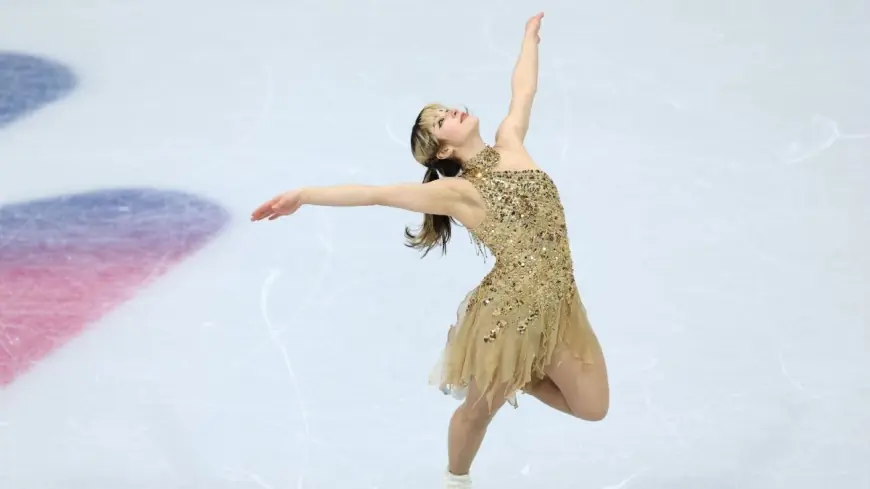
In a night that reshaped expectations for American women's skating, Alysa Liu delivered a flawless free skate that secured Olympic gold and ended a 24-year drought for a U. S. woman in individual Olympic figure skating. The 2026 winter olympics women single skating free skating competition became the stage for Liu’s comeback, a technical and artistic triumph that combined signature jumps with show-stopping presentation.
2026 Winter Olympics Women Single Skating Free Skating — Liu’s Free Skate That Sealed Gold
Liu, a 20-year-old from California with bleached tree-ringed hair and just two years removed from unretirement, opened her free skate to Donna Summer’s "MacArthur Park Suite, " the same program that won her the world championship title last March. She landed a triple flip to open the program, followed by a triple lutz–triple toe loop combination, and skated with a blend of artistry and precision that drew a visible response from the crowd. Her free skate score of 150. 20 shattered her previous season best; a total of 226. 79 put her in the lead and, with the two skaters who had been atop the short program still to skate, guaranteed her a medal and ultimately the gold.
What the Free Skate Showed: Technique, Comeback and Composure
The technical content of Liu’s program was the backbone of the result: cleanly executed jumping passes paired with program components that reflected the disco-infused arrangement. She celebrated exuberantly with coaches Phillip DiGuglielmo and Massimo Scali after leaving the ice, visibly elated as her free skate score and overall total were announced. Even amid the stakes, Liu displayed composure and joy—she sat in the leader’s rink-side seat and cheered on remaining competitors, later saying she had already gotten what she wanted from the stage and that a medal was a bonus.
Liu’s path back to this moment was unconventional. After earlier Olympic and world championship campaigns she stepped away from the sport, citing burnout, and spent time living like a typical teenager, enrolling at UCLA and taking time away from elite training. A family ski trip rekindled her desire to skate, and she returned to the ice, rehiring DiGuglielmo and Scali; they were initially apprehensive about a comeback after such a long absence. Her insistence on having artistic control and shaping every decision in her programs preceded a return that culminated in a world championship title the season before this Olympic victory.
Podium and Teammates: How Others Performed
Japan’s Kaori Sakamoto and Ami Nakai occupied the top two positions after the short program, and by the end Sakamoto took silver and Nakai bronze. Liu embraced her rivals after the event, hugging both skaters as the medals were settled.
American teammates also had notable moments. Amber Glenn rose from 13th place after the short program to deliver a season-best free skate that included a striking triple axel to open her program and several clean jumping passes; her free skate was the third-highest-scoring program of the night and she finished fifth, 4. 25 points shy of the podium. Isabeau Levito, who had been eighth after the short program, performed her free skate to Cinema Paradiso and showcased the precision and grace noted throughout her career.
Implications and What Comes Next
Liu’s gold changes the immediate narrative around American women's skating, signaling that a skater returning from a multi-year hiatus can reclaim the top of the podium by combining technical ambition with personal creative control. The 2026 winter olympics women single skating free skating result reintroduced Liu as a leading figure after her world title the previous season and her time away from competition.
Recent coverage framed Liu’s performance as a joyful, artistically driven statement as much as a technical triumph. For the U. S. team, the event offered reassurance that athletes who have stepped away can return and succeed on the sport’s biggest stage. Details about next competitive plans were not detailed in the immediate aftermath, and those plans may evolve.