























Keely Hodgkinson shatters indoor 800m world record and raises the bar for middle-distance racing

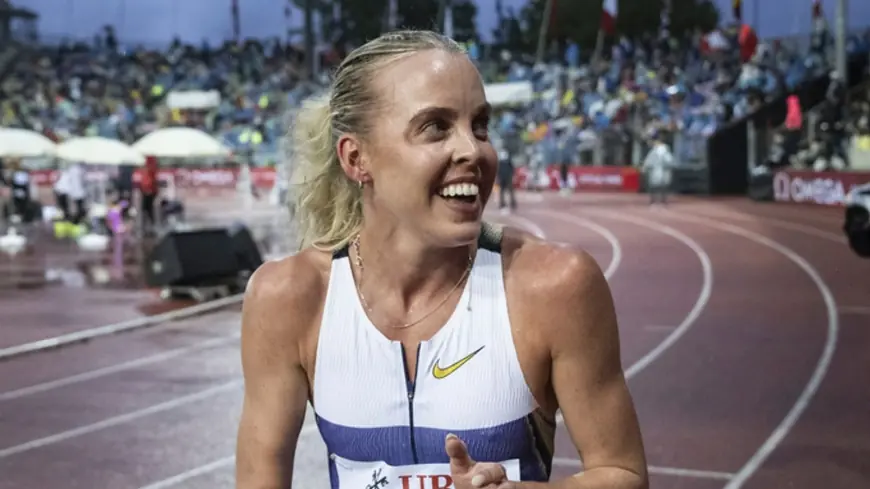
It matters most to rivals, national teams and championship planners: keely hodgkinson's new indoor 800m world record instantly rewrites expectations for the season ahead. The Olympic champion's run didn't just add a stat to a list — it compresses the competitive window for major indoor events, forces coaches to rethink pacing strategies and boosts attention on middle-distance depth in Britain and internationally.
Keely Hodgkinson’s leap changes the competitive landscape
Here’s the part that matters: the barrier that stood for almost a quarter-century has been removed, and the ripple effects are practical. Athletes who had been measuring progress against national and seasonal bests now face a significantly faster benchmark. Championship selection, race planning and pacemaker jobs will be influenced — pacemakers may be asked to run tighter splits, and training cycles could shift toward sharper early-season speed.
It also alters ranking pressure. Before this, keely hodgkinson had already signaled readiness with a world-leading 1: 56. 33 at the UK Indoor Championships; the new world mark places her at the head of a deeper conversation about who can contest medals once championships arrive. The real question now is how competitors respond on the indoor circuit and whether that accelerates a cluster of faster races in coming weeks.
Event details and the record run
Hodgkinson recorded a time of 1: 54. 87 in Lievin, lowering the previous standard of 1: 55. 82 that had stood since 3 March 2002. A designated pacemaker was tasked with hitting 55. 8 seconds through 400m; Hodgkinson reached the halfway point in 55. 56 and then moved clear, crossing the line well inside the old mark.
Her world record followed a strong national performance five days earlier when she ran 1: 56. 33 at the UK Indoor Championships. The race in Lievin featured race aids commonly used on fast tracks that night, and Hodgkinson took the front after the pacemaker work, holding the required target pace and finishing emphatically. The record reduced the old time by almost one full second, a rare margin at elite level.
- What changed on the clock: new record 1: 54. 87; prior record 1: 55. 82 (3 March 2002).
- Key intermediate: 400m split of 55. 56 in the record race.
- Momentum: a 1: 56. 33 run at the national indoor champs five days before the record.
It’s easy to overlook, but this run also highlights how targeted pacing and athlete confidence combine: Hodgkinson moved from a season opener to a national lead and then to a world record in quick succession, showing planned progression rather than an isolated peak.
- Olympic champion converts early-season form into a global benchmark.
- The record carved almost one second off a 2002 standard, tightening competitive margins.
- Pacemaking roles and pacing plans will be in higher demand and under closer scrutiny.
- National selection conversations may accelerate as more athletes chase faster qualifiers.
Micro timeline: 3 quick points to set context — 1) a nearly 24-year-old benchmark from 3 March 2002 was the target; 2) keely hodgkinson posted 1: 56. 33 at the UK Indoor Championships days earlier; 3) she then ran 1: 54. 87 in Lievin to claim the indoor world record. This sequence compresses into a short early-season span and signals an aggressive move toward championship readiness.
What’s easy to miss is the momentum behind the numbers: an athlete converting recovery, strength gains and tactical execution into the single most emblematic performance of an indoor season. The real test will be whether other contenders close the gap on these times before the key championships, which will determine how singular or widely replicated this level becomes.