





















Alysa Liu Claims Gold in 2026 Winter Olympics Women's Single Skating Free Skating as 17-Year-Old Ami Nakai Emerges on Podium

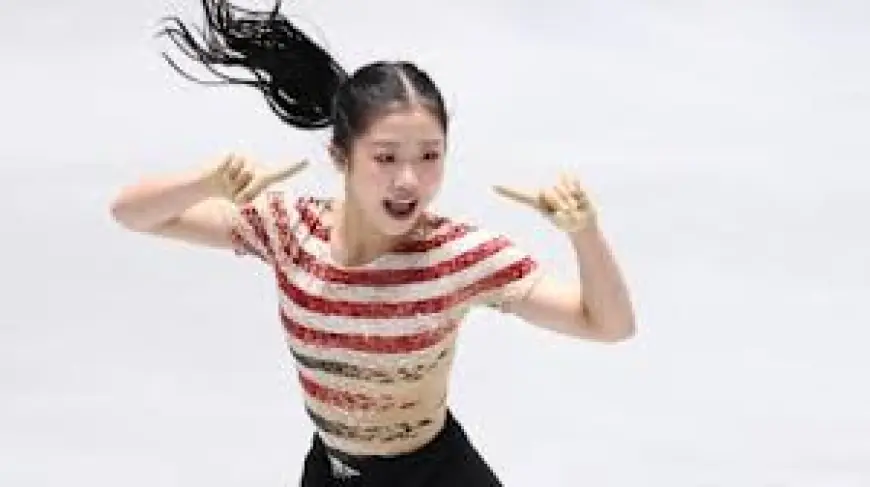
The 2026 winter olympics women's single skating free skating final concluded with Alysa Liu producing a showstopping free skate to take Olympic gold, a result that marked a milestone for U. S. women's figure skating and crowned a dramatic comeback. The outcome matters now because it reshaped the podium: a retiring veteran took silver and a 17-year-old leapfrogged into Olympic medal contention.
2026 Winter Olympics Women's Single Skating Free Skating: What happened and what’s new
In the free skate, Alysa Liu delivered a clean, high-scoring program that earned 150. 20 points and pushed her to an overall total of 226. 79, enough to move from third after the short program to first on the final leaderboard. Kaori Sakamoto finished second and will retire after this event; 17-year-old Ami Nakai took bronze after leading the competition following the short program. Liu’s rise followed an earlier error in the short program when she failed to fully rotate a triple lutz, and she entered the free skate behind Nakai and Sakamoto.
Other finalized placements: Mone Chiba finished fourth, Amber Glenn rose from 13th after the short program to finish fifth following an excellent free skate, and Adeliia Petrosian placed sixth after a fall in her free skate. The medals were presented by the IOC president. Liu, age 20, becomes the first American Olympic champion in women’s figure skating since the 2002 champion and the first U. S. Olympic medallist in the event since 2006. Her free program was performed to music by Donna Summer; Sakamoto’s final program was performed to Non, je ne regrette rien by Edith Piaf, and all 12 of Sakamoto’s elements received positive grades of execution in that performance.
Behind the headline
Context: This result completes a notable comeback arc for Liu, who previously left the sport at 16 after missing out on a medal at a prior Olympic Games and returned to reach the top of the podium here. Sakamoto’s silver marks the end of a decorated competitive career that includes multiple world titles and an earlier Olympic bronze; she departs without an Olympic gold. Nakai’s early lead in the short program translated into a podium finish, signaling a rapid emergence on the highest stage.
Incentives and constraints: Athletes were competing under the dual pressures of Olympic expectation and, for some, career transition. Sakamoto’s decision to retire frames her final performance as a career capstone rather than an open-ended campaign, while Liu’s previously paused career created a narrative momentum around redemption. Those dynamics shaped risk tolerance in program construction and execution.
Stakeholders: Liu gains the highest immediate reward—a gold medal and renewed prominence for U. S. women’s skating. Sakamoto leaves with a high-profile final performance but without the Olympic title she sought. Nakai gains visibility and podium status as a teenager. National federations and teammates also experience shifts in morale and attention tied to these outcomes.
What we still don’t know
- Exact final point totals for silver and bronze medalists beyond Liu’s overall score are not specified here.
- Detailed element-level scoring breakdowns for each skater are not provided in this account.
- Any immediate retirement plans or future competitive intentions for athletes beyond Sakamoto’s announced retirement detail are not included.
- Reactions from federations, coaches, or official post-competition statements beyond the medal presentation are not recorded here.
What happens next
- Retirement confirmation and legacy framing: Sakamoto’s competitive retirement may be formalized in statements and ceremonial acknowledgments; trigger: any formal retirement announcement or farewell events.
- Career trajectory for Liu: Liu’s Olympic gold could lead to increased recognition and influence within the sport; trigger: post-Olympic coverage and federation or sponsor responses.
- Nakai’s development path: As a 17-year-old medallist, Nakai may become a focal point for her national program’s future planning; trigger: follow-up selections for major international assignments or development programs.
- National team recalibrations: Federations may reassess strategies and athlete support in light of medal distributions and unexpected movements on the leaderboard; trigger: internal reviews or coaching changes announced after the Games.
Why it matters
The immediate practical impact is both symbolic and programmatic. Liu’s gold ends a long medal drought for U. S. women at the Olympics and provides a high-profile success story for American figure skating. Sakamoto’s exit from competition closes a significant chapter in the sport and alters the competitive landscape. Nakai’s podium result as a teenager signals potential generational turnover among top contenders. Near-term effects include a reshuffling of narratives around national program strength, athlete legacies, and the priorities of federations and fans as they process the outcomes of this Olympic event.
The 2026 winter olympics women's single skating free skating final thus combined a comeback triumph, a veteran’s farewell, and the early arrival of a new young contender—elements that will shape discussion of the sport in the months ahead.