






















Adeliia Petrosian’s Olympic Debut Draws Spotlight and Old Questions as She Skates for Neutral Status

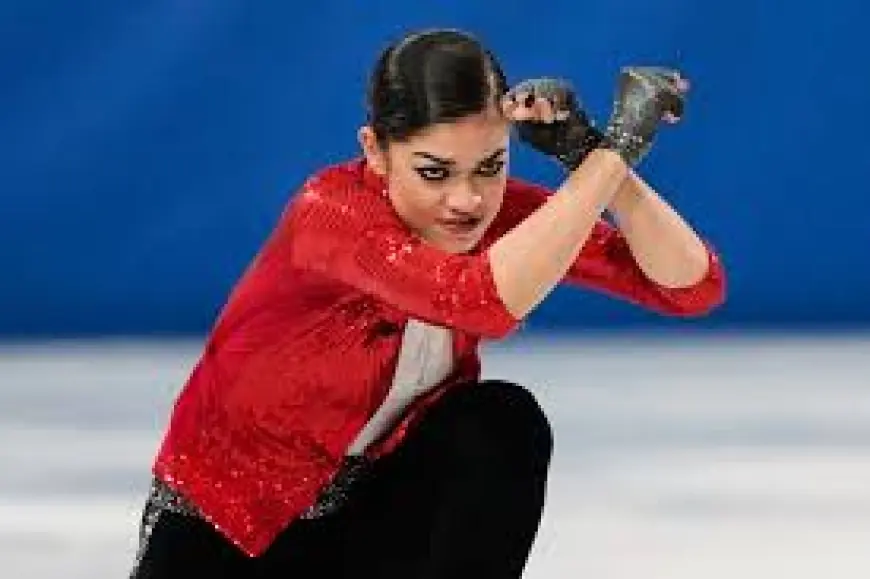
adeliia petrosian, an 18-year-old Russian figure skater, skated in Milan ahead of the women’s Olympic competition and immediately attracted attention because of her competitive résumé and connections to coaches and a past doping case. Her appearance matters now because it places a high-performing but little-seen athlete at the center of renewed scrutiny for a sport still recovering from a major scandal.
What happened and what’s new
Petrosian practiced at the official Olympic training rink a day before she began competition, drawing intense media attention as she executed multiple jumps and displayed notable technical form. Observers saw her land consecutive jumps and she left the ice after practice saying in Russian, "Mood is excellent!"
Confirmed details include her age, her standing as a three-time and current national champion in Russia, and her history of attempting quadruple jumps in competition. She has spent much of her career training under coaches and with a choreographer who have produced multiple Olympic champions. One prominent training teammate from that environment previously failed a drug test that upended the last Winter Games and later received a four-year ban for doping. There is no record that Petrosian herself has tested positive or been implicated in that case.
Petrosian has been largely unseen on the international stage because Russian athletes were barred from international competition beginning in 2022; this Winter Games represents only her second senior-level event outside Russia since that restriction. She is the sole Russian entrant in the Olympic women's event but is competing under neutral status, one of a group of athletes participating without official national designation.
Behind the headline: Adeliia Petrosian and the shadow of a past scandal
Context is central to understanding why Petrosian’s debut has drawn close attention. The prior Olympic controversy involved a young training mate who tested positive for a banned heart medication. Court findings in that case detailed extensive administration of medications and supplements to the athlete over a two-year span, starting when she was an early teenager. That episode led to the loss of a team medal for the Russian delegation and a lengthy ban for the athlete; coaches and choreographers from the same training environment were not formally penalized.
Key stakeholders include Petrosian herself; her coaching team and choreographer; fellow athletes who trained alongside the previously sanctioned skater; anti-doping authorities and adjudicating bodies that examined the earlier case; and the international figure skating community, which has an interest in restoring competitive integrity. Russia’s broader sporting authorities also have a stake, given institutional pressure to re-establish a presence at the Games after prior bans and sanctions.
The immediate incentives for those parties are clear: Petrosian and her team seek competitive success on the sport’s biggest stage; Russian sport administrators aim to reassert their athletes’ legitimacy; and international regulators and observers are focused on ensuring that past failures do not repeat. Constraints include heightened scrutiny on athletes from that training environment, the neutral status limiting national affiliation, and lingering reputational damage to the sport.
What we still don’t know; what happens next; why it matters
- Missing pieces / open questions
- How Petrosian will place in the competition and whether her performance will alter perceptions tied to the prior scandal.
- Whether any formal inquiries or testing irregularities involving her or her training group will emerge during these Games.
- How international judges, fellow competitors and audiences will respond to a medal outcome involving a skater from that environment.
- What happens next — realistic scenarios
- Strong podium finish: A medal for Petrosian could shift immediate focus to athletic achievement and prompt renewed debate about the sport’s ability to move past prior controversies; trigger: a top-three placement.
- Dominant performance without controversy: Clear technical success with no irregularities could ease scrutiny and accelerate acceptance of athletes competing under neutral status; trigger: undisputed competition and clean testing record.
- Contested outcome or testing concern: Any irregular finding or procedural dispute would revive scrutiny of the training environment and could lead to additional reviews; trigger: formal testing anomaly or adjudicatory action.
- Quiet exit: A result outside medal contention would likely reduce immediate headline attention while leaving broader institutional questions unresolved; trigger: placement well off the podium.
- Why this matters
- Near-term, the situation will affect perceptions of fairness and governance in figure skating and could influence how strictly regulators and federations police training environments tied to past violations.
- For competitors and fans, outcomes will shape confidence in the sport’s integrity as it navigates the return of athletes whose national federations have faced sanctions.
- For the athlete herself, the Games are a high-stakes opportunity that could define her early career amid an atmosphere of intense public and institutional scrutiny.