






















Olympic Medal Count: Feb. 19 Snapshot and Norway’s Youth Sports Playbook Behind a Winter Games Dynasty

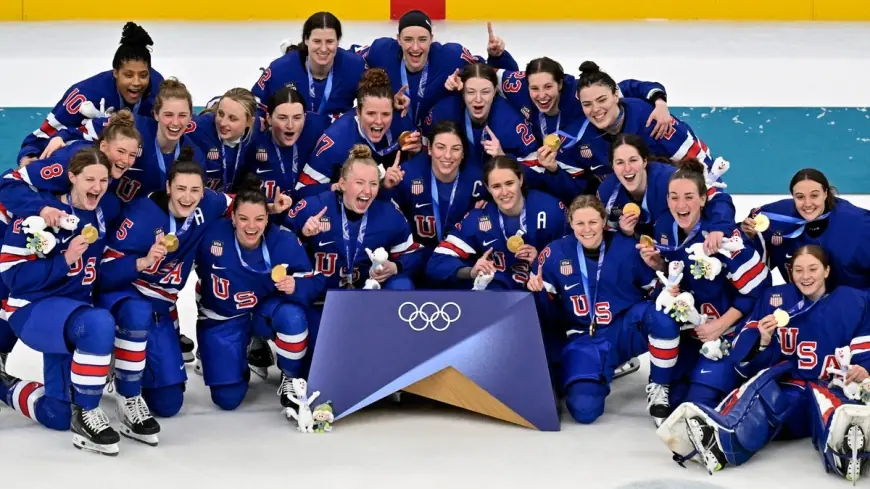
The Olympic Medal Count for the 2026 Winter Games is being tracked in real time as athletes from more than 90 countries compete across 116 events over 16 days. Data are accurate as of Thursday, Feb. 19, 2026, at 5: 00 p. m., and organizers and journalists on the ground in Italy are maintaining a running tally of every nation finishing on the podium.
Olympic Medal Count: What the Feb. 19 tally and coverage emphasize
On the morning of Feb. 19 the focus is twofold: the live accumulation of medals across multiple disciplines and the schedule of medal events taking place that day. More than 90 nations are represented in the field, and medal opportunities are spread across a 16-day slate that totals 116 medal events. Broadcasters and streaming services are offering exclusive U. S. coverage and live access to many competitions, ensuring real-time updates for viewers and analysts tracking the Olympic Medal Count as it evolves.
The practical implications are simple. With dozens of medal events still underway during the games, the Olympic Medal Count remains fluid; national rankings can shift quickly as finals and medal rounds conclude. The running tally is being refreshed throughout the day to reflect podium finishes and to show which nations are rising or falling in the standings.
How Norway’s Youth Sports Model Built A Winter Olympics Dynasty
Norway’s sustained Winter Olympics success is a central theme in discussions about the medal table. The country leads the all-time Winter Olympics medal count with over 400 medals and is on pace to top the medal table for the third consecutive Winter Olympics (2018, 2022, 2026). That sustained advantage is attributed in the coverage to a youth sports philosophy that departs from more competitive, early-specialization systems.
- No scorekeeping until age 13
- Participation trophies for all children
- No travel teams and no early specialization
- No national championships for children and no online rankings
- Annual youth-sport cost typically not exceeding $1, 000 per child
The result of this approach is a very high youth participation rate—reported at 93%—which is nearly 40 percentage points higher than the comparison given for the United States. That breadth of participation is highlighted as a foundational element in Norway producing elite winter athletes consistently across multiple Olympic cycles.
Context and what to watch next
With the Milano Cortino Winter Olympics still underway, expect the medal table to remain dynamic. Multiple medal events scheduled on Feb. 19 will alter the standings as finalists become medalists. Observers tracking the Olympic Medal Count will be watching whether Norway’s current trajectory holds—potentially securing a third consecutive top finish—or whether other nations will surge in the remaining events.
Coverage teams stationed in Italy are updating medal tallies and event schedules throughout the day, and viewers relying on live broadcasts and streaming platforms will see podium results as they happen. For analysts and fans alike, the combination of an extensive program (116 events) and broad international participation (more than 90 countries) means final medal rankings will only be settled as the games move into their concluding days.
Recent developments indicate the medal picture may change rapidly; details may evolve as more events conclude and the tally is updated. Data referenced here are current as of Feb. 19, 2026, at 5: 00 p. m.