
















Usa Mens Hockey Next Game: United States Draws Slovakia in Olympic Semifinal After Quarterfinal Overtime Thrill

The usa mens hockey next game will pit the United States against Slovakia in an Olympic semifinal after the U. S. advanced an overtime quarterfinal. The matchup hands the winner a straight path to the gold-medal game and comes after an intense set of quarterfinals that produced last-minute finishes.
Usa Mens Hockey Next Game: What happened and what’s new
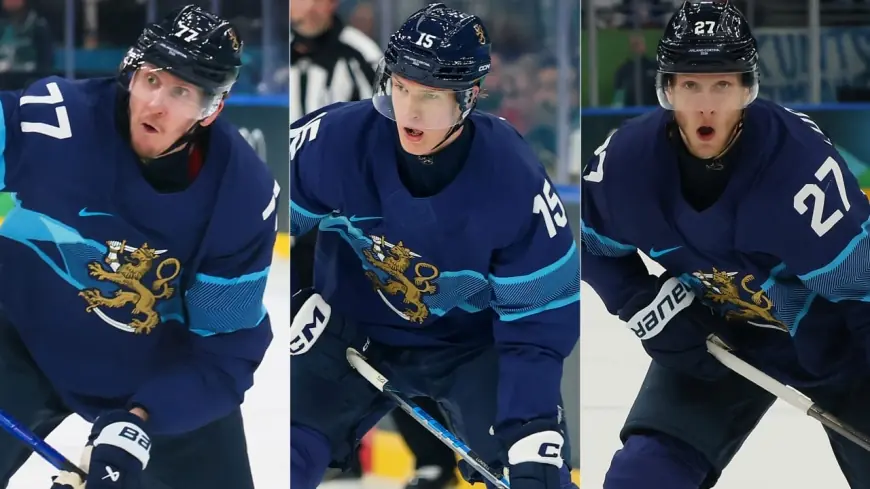
Confirmed: the tournament’s quarterfinal round produced dramatic outcomes with both the United States and Canada reaching the semifinals after overtime heroics. The two semifinal pairings are Canada versus Finland and the United States versus Slovakia, with the winners advancing to compete for gold.
Also confirmed in the overall semifinal slate: the Canada–Finland game will take place at Santagiulia Arena on Friday with a start time noted as 10: 40 a. m. ET. The Canada–Finland matchup features heavy NHL representation on both sides and several club teammates opposing one another; players who share regular-season club ties have emphasized they will set those relationships aside for Olympic competition.
Behind the headline
Context: the quarterfinal round reshaped expectations. The United States and Canada each needed overtime to prevail, underscoring how narrow margins have been through the opening knockout stage. The semifinals are described as winner-takes-all matchups where a single result sends one team to the championship and eliminates the other.
Incentives and constraints: every team left in the tournament is competing for a straightforward prize line—an immediate berth in the gold-medal game for the semifinal winner. That single-elimination pressure amplifies the value of goaltending performances, depth across lines and the ability to avoid critical mistakes in tight games.
Stakeholders: the national teams—United States, Slovakia, Canada and Finland—have the most to gain, with their rosters and coaching staffs under immediate pressure to deliver. Club-level teammates who face each other at the Olympics also have individual reputational stakes; several players who are club teammates will convert those relationships into opponent dynamics for the semifinals.
What we still don’t know
- Exact lineup decisions and goaltender selections for the United States against Slovakia.
- How fatigue from the quarterfinal overtime games will affect each team’s performance in the semifinals.
- Specific special-teams matchups and in-game adjustments that coaches will deploy in the knockout round.
- Whether key forwards who have struggled to score in the tournament will break through at semifinal intensity.
- The ultimate date and time for the United States versus Slovakia semifinal beyond the confirmed schedule note for the Canada–Finland game.
What happens next
- U. S. victory and a place in the gold-medal game: trigger — timely scoring and reliable goaltending that mirror the resilience shown in the quarterfinal overtime win.
- Slovakia upset and advance to the gold-medal game: trigger — neutralizing U. S. transition chances and capitalizing on limited opportunities in a low-margin contest.
- Another extended contest leading to overtime: trigger — evenly matched defenses and goaltenders keep regulation scoring low, making special teams and late-game execution decisive.
- Key individual breakout that shifts momentum: trigger — a previously scoreless tournament forward finds scoring form and changes the balance for their team.
Why it matters
Near-term implications are direct: the winner reaches the Olympic gold-medal game, altering medal prospects immediately. For players with club ties who now face one another on opposing national teams, the semifinals test their ability to compartmentalize and prioritize national objectives over regular-season affiliations. For coaches and team staffs, tactical choices under single-elimination pressure will define tournament legacies.
Broadly, the semifinals continue a tournament pattern of narrow margins and last-minute finishes, reinforcing the idea that seeding or perceived favoritism offers limited protection in winner-takes-all contests. Observers should watch goaltending form, depth scoring and how teams respond to high-pressure moments as the decisive factors that will shape which roster advances to contend for Olympic gold.
This article will be updated as confirmed lineup and scheduling details for the United States versus Slovakia match become available.