














Eric Dane Dies at 53 After ALS Diagnosis, Leaving “McSteamy” and Mark Sloan Fans Asking What Happened

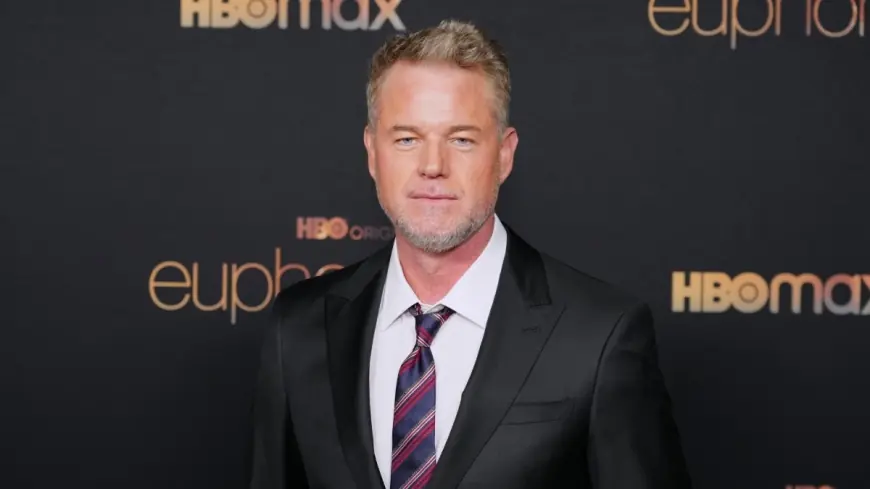
Eric Dane, the actor best known as “McSteamy” on Grey’s Anatomy and as Cal Jacobs on Euphoria, has died at age 53. His death occurred Thursday, February 19, 2026, Eastern Time, following complications from amyotrophic lateral sclerosis, often called ALS or Lou Gehrig’s disease. He is survived by his wife, Rebecca Gayheart, and their two daughters.
The news set off a wave of searches that moved in two directions at once: grief-driven questions about Eric Dane’s cause of death and confusion-fueled rumors asking whether Eric Dane died at all. The answer is yes, he died, and the cause was tied to ALS after a public diagnosis less than a year earlier.
Did Eric Dane die? Is Eric Dane still alive?
Eric Dane is not alive. His family confirmed his death on February 19, 2026 ET. Online posts suggesting he is “still alive” are misinformation that often follows celebrity health updates, especially when a person has remained out of public view for stretches of time.
The speed of the rumor cycle matters here because Dane’s ALS diagnosis in 2025 made him a recurring topic in entertainment news and fan communities. Once the death news broke, older “health update” posts and unrelated accounts reposted outdated material, creating whiplash for people searching “Eric Dane death” and “did Eric Dane pass away” at the same time.
When was Eric Dane diagnosed with ALS, and what did he say about it?
Dane publicly disclosed his ALS diagnosis in April 2025. At the time, he asked for privacy for his family while also signaling he planned to keep working as long as he could. That decision became a defining part of his final year: a highly visible actor using his platform to talk about a disease that is both medically complex and emotionally brutal.
Behind the headline, that public disclosure also changed the incentives around his career and public life. Once a diagnosis is public, every appearance becomes an update, every absence becomes a rumor trigger, and every role choice gets read as a message. For Dane, the tradeoff was clear: by naming ALS openly, he gained the ability to advocate and educate, but he and his family lost control over the pace and tone of public attention.
What happened to “McSteamy” and Mark Sloan on Grey’s Anatomy, and why fans keep mixing it with real life
A big portion of the search traffic is fueled by a common mix-up: Mark Sloan, Dane’s character on Grey’s Anatomy, died on the show years ago. That fictional “McSteamy death” storyline has been circulating in clips and fan posts for so long that many people now encounter it alongside real-world headlines and assume they are related.
In other words, two separate questions are colliding online:
-
Did Mark Sloan die on Grey’s Anatomy? Yes, in the show’s storyline.
-
Did Eric Dane die in real life? Yes, on February 19, 2026 ET.
The confusion is understandable, but it also shows how modern fandom blurs timelines. When a character’s death is evergreen content and the actor later faces a real illness, algorithms often surface both at once.
Eric Dane’s movies and TV shows, from Grey’s Anatomy to Euphoria and beyond
Dane’s career spanned decades, but his public image was anchored by two roles that showed different sides of his screen presence.
As Dr. Mark Sloan on Grey’s Anatomy, he became a breakout star by mixing swagger with unexpected tenderness, turning a supporting role into a fan phenomenon. Later, as Cal Jacobs on Euphoria, he played a darker, more volatile character that challenged audiences and expanded his range well beyond the “McSteamy” persona.
He also held leading roles in other long-running TV projects and appeared in major studio films, building a résumé that kept him in the public eye even when he stepped away from the spotlight for stretches.
Behind the headline: stakeholders, missing pieces, and second-order effects
There are several stakeholders shaping how this story lands and what comes next.
Family first. Public mourning can easily become invasive scrutiny. The people closest to him must navigate grief while being pulled into statements, memorial decisions, and practical matters that quickly become public talking points.
Colleagues and collaborators. Projects associated with Dane, including ongoing series planning and promotional schedules, now face adjustments. That includes decisions about whether to pause, rewrite, tribute, or recast, each choice carrying creative and reputational consequences.
ALS advocacy groups and researchers. Dane’s public diagnosis and advocacy boosted visibility for ALS, but celebrity attention can be double-edged: it raises awareness quickly, yet it can oversimplify a disease that varies widely across patients.
The missing pieces most people are still trying to understand are not really about “how did he get ALS,” because ALS is typically not traced to a single cause. The missing pieces are practical and human:
-
How quickly did his symptoms progress after the April 2025 diagnosis?
-
What level of care did he need in the final months?
-
How will his family and closest friends choose to memorialize him publicly, if at all?
Second-order effects are already visible. The immediate surge in searches tends to pull in misinformation, including fake “last photo” posts and recycled hoaxes. It also tends to create a short-lived spike in interest in ALS charities and research funding discussions, which can be meaningful if it translates into sustained support rather than a brief attention wave.
What happens next: realistic scenarios to watch
Here are the next steps that typically follow a high-profile death connected to a public illness, with clear triggers:
-
A family statement expands on memorial plans
Trigger: confirmation of funeral or private service arrangements -
A tribute wave from castmates and creators
Trigger: public posts timed around memorial events or scheduled episodes -
Career retrospectives and renewed viewing spikes
Trigger: streaming libraries surfacing older seasons and fan-favorite arcs -
ALS awareness efforts see a short surge, then a test of staying power
Trigger: whether fundraising and policy attention continue beyond the first week
Eric Dane’s death closes a public chapter that combined stardom, a devastating diagnosis, and a rare willingness to speak about ALS plainly. For many fans, the lasting memory will be the contrast between the charming certainty of “McSteamy” and the real-world courage of an actor confronting a disease with no easy storyline and no neat ending.