
























Adeliia Petrosian Draws Scrutiny as Russian Skater Makes Olympic Debut Amid Lingering Doping Fallout

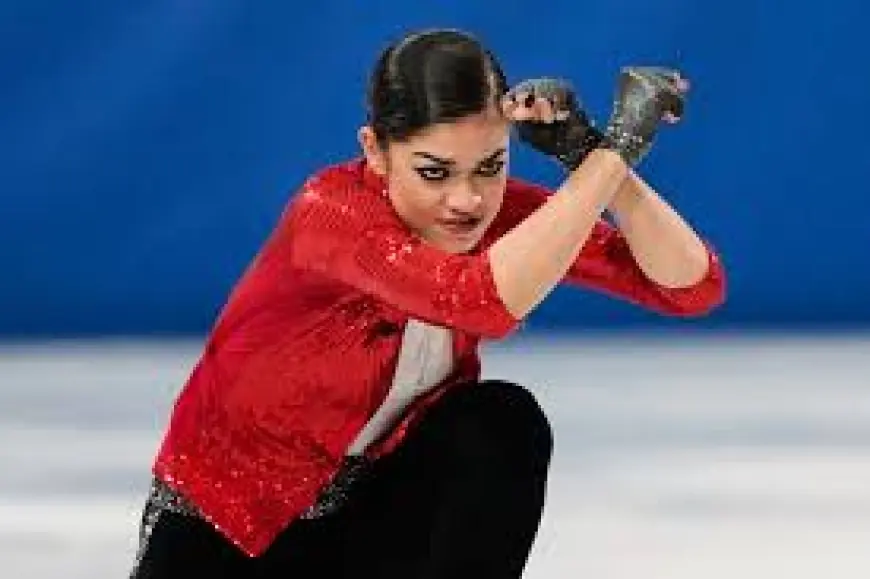
Adeliia Petrosian, an 18-year-old with a national championship résumé and a history of high-difficulty jumps, skated onto the official Olympic ice this week as the sole entrant from her country in the women's event. Her appearance matters now because it comes under a cloud cast by the sport’s most notable recent doping scandal and by restrictions that have limited Russian athletes’ international competition.
Adeliia Petrosian: What happened and what’s new
Petrosian practiced for the first time at the official training rink the day before competition began, drawing intense camera attention as she executed jump after jump. Observers noted her compact physique and repeated clean landings; after practice she told reporters in Russian, "Mood is excellent!"
She is 18 years old and is described as a three-time and reigning national champion in her country’s women's division. Her competitive history includes landing quadruple jumps. This Olympic appearance is her second senior-level event outside her country since international competition was restricted for her nation in 2022, and she is participating not under her national flag but as a neutral athlete, part of a group of athletes from her country competing in that status.
What has drawn scrutiny is Petrosian’s training environment. She shares coaches, a choreographer and a training site with another skater whose failed drug test at the last Winter Games became the focal point of a major doping controversy. That skater tested positive for the heart medication trimetazidine and later served a four-year ban; teammates were stripped of a team medal. There is no record that Petrosian herself tested positive or has been implicated in doping.
Findings by the Court of Arbitration for Sport documented that a medical team administered dozens of medications and dietary supplements to the other skater over a two-year period beginning in early adolescence. The coach and choreographer who worked with that athlete were not punished following the investigation. Petrosian’s coach is described as someone who has worked with athletes who won Olympic gold at recent Winter Games.
Behind the headline
Context: Petrosian’s Olympic debut arrives at a moment when the sport is still contending with the fallout from the earlier doping case. Her limited exposure internationally stems from the broader restrictions placed on athletes from her country after 2022, which means much of the global figure skating community has little competitive history to assess her consistency under pressure.
Incentives and constraints: From Petrosian’s perspective, competing is a chance to establish herself on the largest stage. For governing bodies and observers, the priority is balancing clean-sport integrity with athletes’ opportunities to compete. For her coaching team, success would reinforce a track record of producing champions; scrutiny could bring reputational and regulatory risk.
Stakeholders: Petrosian; her coaches and choreographer; the training group that includes the previously sanctioned skater; international competition authorities managing neutral-athlete status; and fans and competitors concerned about fairness and the sport’s image.
What we still don’t know
- Whether any formal investigation has been opened into Petrosian’s training group in relation to the prior medical findings.
- Detailed information about Petrosian’s own testing history beyond the absence of a documented positive result.
- How judges and officials will weigh broader reputational concerns, if at all, in ongoing scoring and adjudication.
- How Petrosian’s performances over the coming rounds will compare with prior international competitors, given her limited outside-the-country record.
What happens next
- Scenario: Strong podium performance. Trigger: Petrosian delivers multiple clean routines and secures a medal. Effect: Immediate focus on her training methods and intensified scrutiny of the coaching team’s past associations.
- Scenario: Solid showing without medal. Trigger: Consistent placements but no podium. Effect: Gradual integration into the international field with lingering questions about her background.
- Scenario: Underperformance. Trigger: Visible errors or withdrawals. Effect: Short-term attention fades; questions about competitive readiness given limited international experience persist.
- Scenario: Formal inquiry into training practices. Trigger: New disclosures or complaints linked to prior medical findings. Effect: Potential regulatory reviews and reputational consequences for the coaching group.
Why it matters
Near-term, Petrosian’s presence reshapes the competitive field by introducing a technically capable skater with limited international exposure. For athletes and governing bodies, the situation tests systems designed to protect clean competition while allowing neutral-athlete participation. The long-term stakes include the sport’s credibility: positive, transparent performances could help move attention from past scandals; fresh controversy could deepen skepticism and pressure on regulators.
Observers and competitors will be watching not only the technical results on the scoreboard but also any administrative or regulatory responses that follow, since those reactions will influence perceptions of fairness and the future handling of athletes linked by training or coaching networks to past violations.