























Dan Hurley Calls Out Fan Turnout After Win as Uconn Student Tickets Become Talking Point

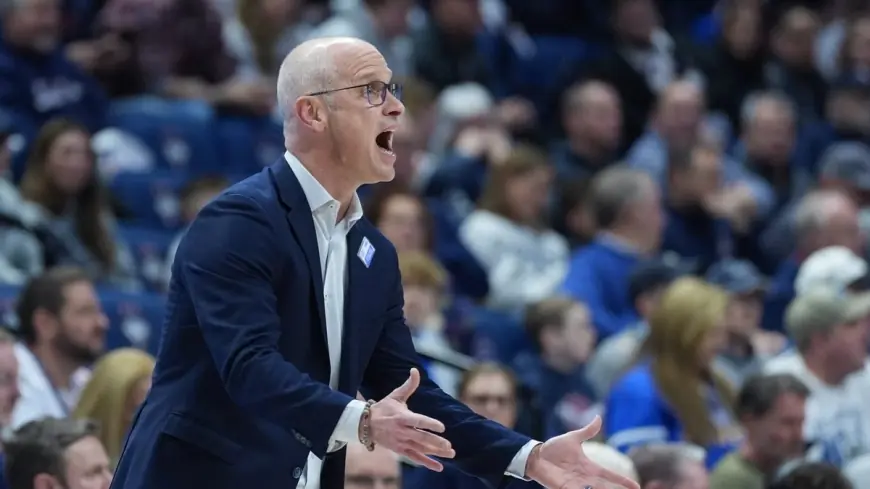
UConn is 24-2 this season, and after a 79-75 victory on Feb. 14 the head coach publicly expressed frustration that the home arena did not feel like a sellout. Uconn Student Tickets are now part of a broader conversation about why a team with recent championships did not see the kind of home-court intensity the coach expects.
Coach's Reaction and the Feb. 14 Moment
Following the late-February win over Georgetown, the coach made clear he was surprised by empty seats in prime sections and said he has stopped trying to cajole the crowd. An opposing coach who was present shared similar surprise at the lack of enthusiasm that night. The coach referenced the program’s recent success and argued the venue ought to feel electric for games of that profile.
Why Fan Presence Matters — and Where Uconn Student Tickets Fit
The coach contrasted the atmosphere at his arena with several road environments he considers consistently intense, noting other programs’ venues as examples of louder, fuller crowds. He highlighted that some areas behind the basket were notably underfilled during the home game. That observation has amplified attention on student attendance patterns and the availability or uptake of Uconn Student Tickets for key matchups.
Outstanding Questions, Possible Responses and Stakes
What remains unclear is why attendance dipped for that particular weekend and what mix of factors — scheduling, student interest, ticket distribution, or social patterns — are driving the turnout. The coach has signaled he will not be the one continually prompting noise, placing more onus on players and fans.
- Missing facts: exact attendance figures for the Feb. 14 game; breakdown of student versus general-admission ticket use.
- Missing facts: whether any immediate changes to ticketing or student outreach are planned.
- Missing facts: the specific responses from student organizations or athletic department representatives about engagement strategies.
Three realistic scenarios to watch next, with triggers:
- Increased student mobilization: targeted outreach or promotions aimed at students could boost turnout if announced before a high-profile home game.
- Program shifts away from crowd-cajoling: the coach could stop public appeals and put responsibility entirely on players and internal game-day initiatives; a change in public messaging would signal that shift.
- Ticketing or policy adjustments: the athletic staff might alter how student tickets are allocated or marketed; any formal notice about ticket policy changes would confirm this path.
Why this matters: a team that has earned recent national titles and holds a strong record sees competitive advantages tied to a hostile home environment. The coach framed the issue as more than optics—he linked crowd atmosphere to competitive fairness and program identity. For players, quieter home games can mean fewer momentum swings; for the program, sustained fan engagement supports reputation and recruiting perceptions. For students, decisions about attending hinge partly on ticket access and partly on whether a gameday culture feels compelling.
Near term, the story to follow is whether the coach’s public frustration prompts any concrete changes in how student tickets are handled or how the university encourages turnout. The coach referenced several opponent arenas as models of intensity and emphasized that a team with recent championships should expect fuller arenas. Timing of any administrative responses or shifts in student attendance patterns was not specified.
The coach’s remarks have placed the spotlight on home-court atmosphere and student participation, with Uconn Student Tickets now central to discussions about how to restore the kind of environment the team leadership expects.