











Eric Dane Cause of Death: Actor Dies at 53 After ALS Battle, Family Says

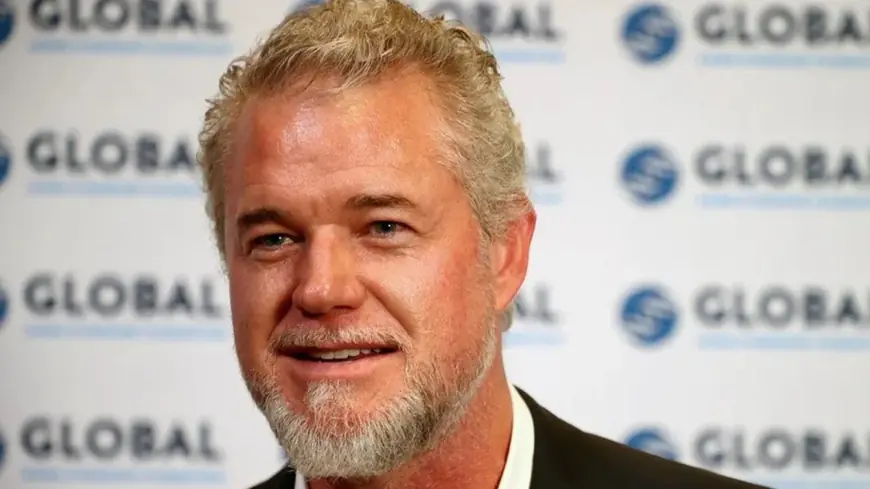
Eric Dane died on Thursday, February 19, 2026, at age 53, with his family stating the cause of death was amyotrophic lateral sclerosis, commonly known as ALS. Dane, widely recognized for his roles in major television dramas over the past two decades, had publicly disclosed his ALS diagnosis in 2025 and later used his platform to speak about living with the disease.
ALS is a progressive neurodegenerative illness that affects nerve cells controlling voluntary muscles, gradually limiting movement, speech, swallowing, and breathing. There is no cure, and the course can vary widely from person to person.
What happened
Dane’s family announced that he died Thursday afternoon ET following a battle with ALS. He was 53 years old. In the months after going public with his diagnosis, he made occasional appearances discussing the realities of the condition and the challenges of navigating care, accessibility, and disease progression.
While details about the final stage of his illness have not been fully laid out publicly, the family statement frames his death as the outcome of complications related to ALS.
Behind the headline: why this story spread fast
Celebrity deaths travel quickly, but this one moved especially fast for two reasons.
First, Dane had a large, cross-generational audience. Many viewers associate him with a signature character from a long-running medical drama, while newer audiences knew him from more recent prestige television. That creates multiple fan communities that amplify news at once.
Second, he had disclosed a serious diagnosis relatively recently, which meant many people were already tracking his health updates. When a public figure shares a life-altering illness, the audience relationship shifts from distant admiration to something more personal: supporters want to understand the timeline, the medical reality, and what the illness does to a person’s daily life.
Context and incentives: why speaking publicly about ALS mattered
Public disclosure is a double-edged choice. The incentive is clear: awareness can drive attention to research, caregiving burdens, and policy gaps. The cost is also clear: it invites constant speculation and a loss of privacy precisely when someone needs stability.
Dane’s decision to be open about ALS placed him among a smaller group of well-known figures who have tried to turn diagnosis into advocacy. That can influence how the broader public understands ALS, moving it from a distant acronym to a lived experience that includes mobility changes, communication barriers, and complex medical decision-making.
Stakeholders: who is affected beyond fans
This story touches more than entertainment audiences.
Family and close friends carry the immediate emotional weight and the practical burden of end-stage care. Co-workers and productions are affected because serious illness often reshapes schedules, roles, and long-term planning. The ALS community is affected because high-profile visibility can lead to an increase in donations and interest in clinical research, but it can also create oversimplified narratives about how ALS progresses.
Health systems and policymakers are indirect stakeholders too. High-profile cases tend to surface questions about access to specialized care, assistive technology, home support, and insurance coverage, especially as the disease advances and costs rise.
What we still don’t know
Several pieces of information remain either private or not confirmed publicly:
-
Specific medical details about the complications that preceded his death
-
The extent of caregiving needs and whether he required advanced respiratory support near the end
-
Any plans he had for future work or public advocacy that may now shift to his estate or family
It is common for families to withhold these details, and there is no public obligation to share them.
What happens next: realistic scenarios and triggers
Here are the most likely next steps in the days ahead, based on how public figures’ deaths are typically handled:
-
A formal statement from family representatives clarifying memorial plans, if they choose to share.
-
Tributes from castmates and collaborators, often followed by charitable campaigns connected to ALS research and support services.
-
Renewed attention to ALS fundraising and policy conversations, sometimes triggered by a memorial initiative or a family request for donations in lieu of flowers.
-
Estate-related management of his unfinished projects and public commitments, if any exist, including potential posthumous releases or dedications.
Why it matters
If you searched “Eric Dane cause of death,” the factual answer is ALS. The larger significance is what a public illness story does: it changes awareness, prompts discussions about medical realities people rarely see up close, and reminds audiences that neurodegenerative disease is not abstract. It is progressive, expensive, exhausting, and deeply human, long before it becomes a headline.
If you want, I can also summarize ALS in plain language, including typical symptoms, timelines, and what “complications” usually means in medical terms, without getting graphic.