


















Cnn warning: Trump's approval collapse deepens cracks in midterms strategy

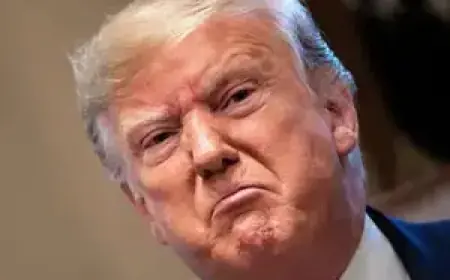
data analyst Harry Enten has sounded an alarm that the president’s approval ratings may have no obvious floor, a development that is colliding with fresh evidence of cracks in the coalition that delivered his 2024 victory and forcing a high-stakes recalibration of midterms plans.
data alarm: polls, underwater numbers and new lows
Enten highlighted that four separate polls showed the president at the lowest approval levels of his second term, and named a nearly 20-point deficit in one tracking poll as a stark example of the slide. Aggregate polling averages put the approval rating at 41%, the lowest point in almost a year. Those numbers come alongside troubling subgroup trends: the president is doing worse than his opponent in multiple surveys and trails prior benchmarks for comparable points in a presidency.
Specific polls cited show deep underwater readings in several tracking instruments, and a YouGov/Economist tracking poll places the president’s net approval 23 points in the negative on the economy. Public unease on immigration enforcement has also risen, with a recent survey showing six in 10 Americans hold an unfavorable view of the federal immigration enforcement agency and a majority saying the administration has gone too far on deportations and restricting legal immigration.
Midterms strategy strains as Trump mobilizes and advisers convene
Faced with sagging approval and a string of Democratic special-election gains — nine seat flips in districts the president carried in 2024 — the White House has mounted an aggressive campaign-style response. The president has been crisscrossing the country with his vice president to deliver economic speeches, dispatched Cabinet officials to promote the administration’s record and warned supporters that losing control of Congress would invite another impeachment effort.
Inside the political operation, top strategists and aides are being pressed into service. The chief of staff and her deputy are part of a small circle tasked with gut-checking political instincts. Senior campaign operatives and pollsters met privately at a members-only club on Capitol Hill to hash out a midterms plan that, per one senior adviser, will essentially “put [the president] on the ballot” and replicate a 2024-style turnout strategy targeting low-propensity voters.
But that formula is under pressure: the coalition that propelled the 2024 win — built on a relentless economic message, hard-line immigration positions, podcast-amplified reach and a surge of historically low-propensity voters, including gains among people of color and younger cohorts — is showing signs of fracturing. Political analysts note it is unclear whether those low-propensity segments will turn out in similar numbers for a midterm, and some of those groups now appear motivated to vote against the president’s party.
Political implications: vulnerability in both chambers
The convergence of a weakened approval rating, public concern over the economy and immigration, and recent electoral setbacks has produced fresh anxiety about the party’s prospects for retaining its congressional majorities. Political leaders on Capitol Hill are engaged in private consultations with the White House as they weigh how aggressively to lean on the president’s brand for vulnerable Senate and House races. The president has already shown a willingness to intervene in primaries and endorse challengers to incumbents, moves that further complicate the party’s internal calculus heading into a pivotal election cycle.
With the administration taking an offensive posture — campaigning broadly and mobilizing top aides — the central question for opponents and allies alike is whether these moves can compensate for the erosion in public support documented in recent polls. For now, the data and recent special-election outcomes have produced a cautious mood among Republicans and a sense of opportunity among Democrats, leaving the midterms picture more uncertain than party strategists had hoped.
The next stretch of campaigning will test whether a replicated turnout model can be achieved in a midterm environment or whether the coalition that won the White House will prove fragile without the dynamics of a presidential contest.