
























Uk Passport Rules Dual Citizenship: New Entry Tests Leave Some Citizens Facing Fees and Denials

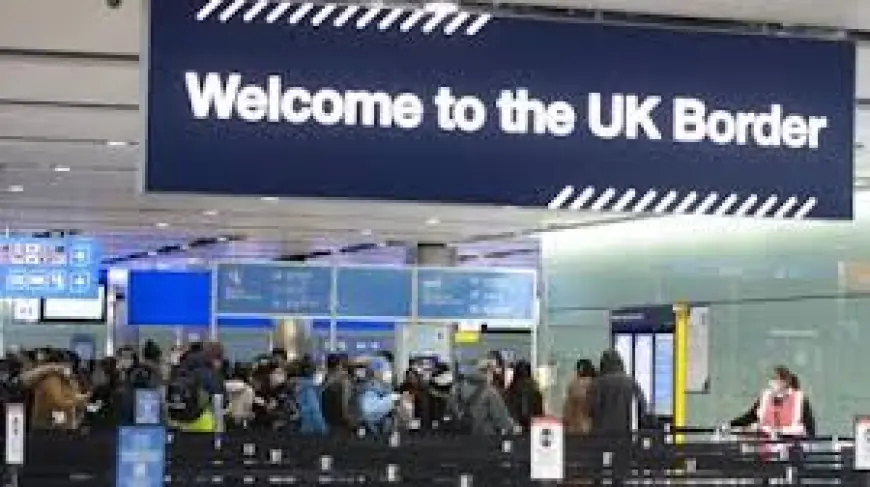
Uk Passport Rules Dual Citizenship are at the centre of a mounting controversy as new border checks force British dual nationals to hold either a UK passport or a certificate of entitlement to return to the country. The shift, due to take effect on 25 February, has left long-term residents and recent citizens scrambling for documents and facing unexpectedly high costs.
Uk Passport Rules Dual Citizenship — what is changing
From 25 February, British nationals who hold another nationality will no longer be able to use just their foreign passport to enter the country. Instead, they must present either a British passport or a digital certificate of entitlement attached to their second-nationality passport. Those without one of these documents risk being refused boarding or denied entry on return.
The certificate of entitlement carries a substantial fee of £589. A standard British passport costs about £100 for an adult. By contrast, visitors who are not visa holders will need an Electronic Travel Authorisation for £16 under the new system. Dual nationals are excluded from using the £16 authorisation and must meet the new documentation rules, with checks being carried out by airlines at departure points en route back to the UK. The rules do not apply to Irish passport holders.
Practical consequences for dual nationals and families
The changes have already produced concrete problems for people who have lived and worked in the country for decades but never obtained a British passport. One reader who worked in the UK for 32 years and kept an EU passport for travel now faces having to buy a certificate of entitlement to return after visiting family abroad. Another long-term resident who obtained British citizenship but kept a German passport says the new rules mean she cannot apply for the cheaper £16 authorisation and now faces paying £589 or getting a UK passport.
Many affected people never applied for a UK passport after naturalisation because some processes require surrendering or submitting another passport for an uncertain period. That practical hurdle has left some newly naturalised citizens vulnerable to the new entry requirements. For some, the combination of naturalisation costs and the new certificate fee has created a bitter irony: one writer calculated that, by naturalising, they incurred a citizenship fee of £1, 300 and now may also have to pay the £589 certificate, whereas they would have avoided both by remaining only a foreign national for travel purposes.
Why the changes are creating anger and confusion
People caught out by the overhaul say the rules feel punitive and poorly communicated. One dual national planning extended travel worries she may be told she cannot re-enter on return. Others have warned of bureaucratic anomalies: a dual national who tries to apply online for the low-cost travel authorisation and declares British nationality is told they do not need the authorisation and then receive no clear guidance about what documentation will be valid if they do not hold a UK passport.
The wider rollout of the new authorisation and the linked checks aims to streamline the border, and the government has said the reforms bring the immigration system in line with comparable countries. But the immediate effect is practical and financial pressure on a sizeable population: the latest census figures show substantial numbers of dual citizens among both UK-born and non-UK-born residents, and many of those groups now need to act quickly to avoid travel disruption.
As the new rules come into force, affected travellers must weigh options: apply for a British passport, purchase the certificate of entitlement, or risk being turned away when attempting to return. For families separated by travel or caring responsibilities, the clock is already ticking.