

















Nbc Olympics Coverage Draws Fire as Outrageous Moments and Commercialization Take Center Stage

Nbc Olympics coverage has become the focal point of recent headlines, with one blistering assessment calling it an "epic Olympics failure" while separate commentary and opinion pieces celebrate the most outrageous and unexpected moments of the Games. Commentators and columnists are wrestling with two clear developments: intense criticism of how the event is presented on television, and the growing commercialization and star-making power embodied by certain athletes.
Nbc Olympics backlash: "epic failure" and the problem of prime-time packaging
A prominent headline labeled the broadcaster's effort an "epic Olympics failure, " and that critique sits alongside long-form reflections about how the Winter Games are presented. One veteran voice argued that the Winter Olympics are now best consumed as a pre-packaged prime-time entertainment show — great television for audiences focused on smiling podium moments, but not necessarily faithful to the immediacy of sport. The same commentator noted that many of the Games' ultimate moments are queued for broadcast between commercial breaks, often long after those moments actually occurred and long after social media has moved on.
That framing — that the spectacle is edited and timed for maximum prime-time impact — is offered as part of the explanation for the backlash. The commentator, who has broadcast multiple Winter Games, suggested that the shift toward packaged entertainment diminishes the in-the-moment sporting experience and leaves some viewers and critics feeling shortchanged by live coverage decisions.
Commercialization and unforgettable underdog stories: Eileen Gu, Eddie the Eagle and the Jamaican bobsled
At the same time, opinion coverage celebrating the Games highlighted a split character of the event: commercial superstars and beloved underdogs. The Winter Games have produced iconic, unexpected moments — from the duct-tape ingenuity of a famed underdog bobsled team to a ski jumper who finished far behind the field yet captured imaginations. Those same reminiscences sit next to contemporary examples of full-scale commercialization.
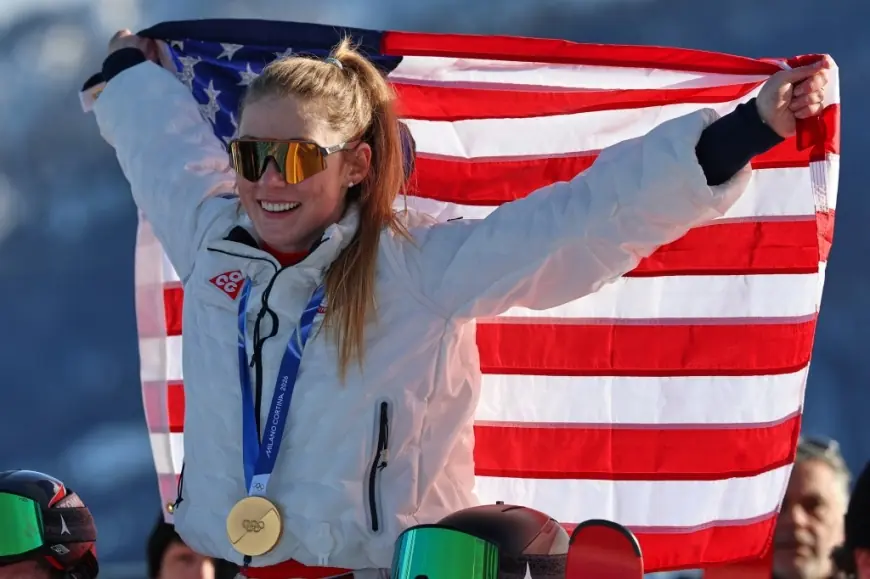
One column pointed to a high-profile athlete who, though born in one country and studying at an American university, competes for another nation and has become an unmistakable marketing force. That athlete earned a silver medal in the freesyle big air competition with an event still remaining, commands 2. 3 million Instagram followers, and last year generated roughly $23 million in endorsements in two major markets. The contrast between such lucrative deals and the old notion of amateurism was a central theme in the commentary: where once small stipends kept athletes out of fast-food jobs, some competitors now arrive as global commercial properties.
Opinion roundups that celebrated "favorite, most outrageous and most unexpected moments" also revisited memorable figures and scenes from past Games, underscoring why the Olympics can still produce indelible moments even as broadcast coverage and sponsorship shape how audiences receive them. The same commentary lamented dramatic competitive setbacks, pointing to a veteran athlete who competed with a torn ACL, tore and crashed so dramatically that her teammate emerged with the top prize.
Taken together, recent headlines and columns signal a Games under dual scrutiny: critics are questioning how television coverage frames and packages the action, while commentators and opinion writers are grappling with how commercialization and viral moments — both planned and accidental — are reshaping the narrative of the Winter Olympics.