






zara larsson begs fans to stop changing her Wikipedia photo in viral TikTok

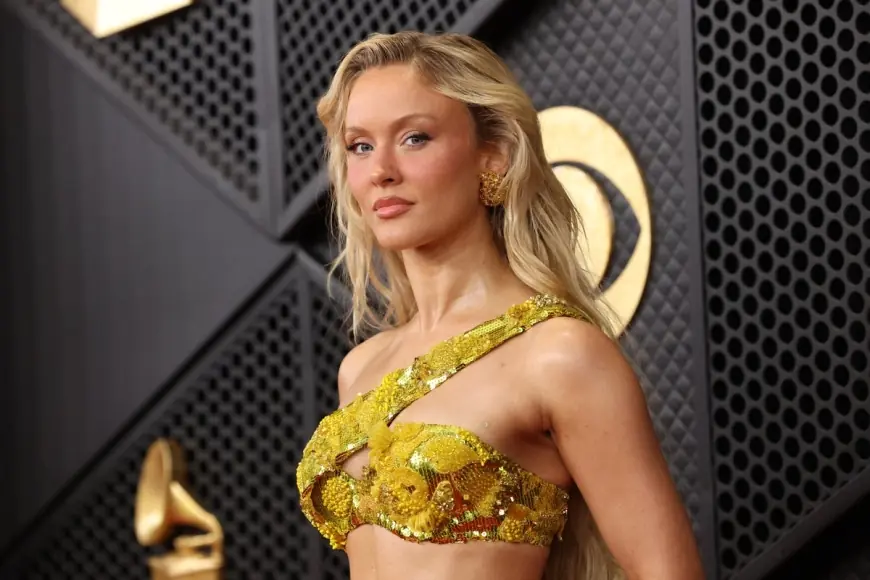
Swedish pop star zara larsson took to social video to plead with whoever keeps swapping the photo on her public biography page — only to see the stunt fuel more edits and fresh online amusement. The short clip, which mixes exasperation with defiance, has set off a new round of fan trolling that has been met with equally determined pushback from the artist.
TikTok plea sparks editable image tug-of-war
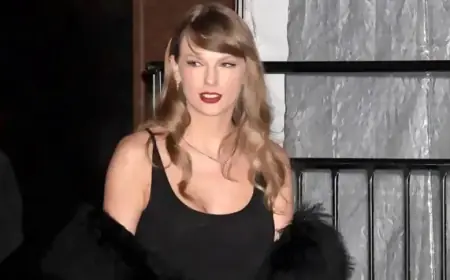
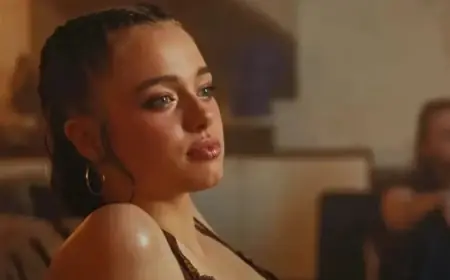
In the clip, Larsson confronts whoever has been changing the headshot on her profile. She can be heard saying: “Whoever the f*** is changing this f***ing Wikipedia picture to this picture, stop! Stop doing it. Stop doing it. ” Far from backing down, she then declares, “I will never stop. I will never stop changing that picture to a nice one, I will never stop. ” The video shows her and a friend scrolling through image searches in search of the precise photo she prefers, turning what might have been a small annoyance into an extended, performative moment.
Rather than ending the episode, the post appears to have invited escalation. Some users have responded by reintroducing older or unexpected images to the entry, treating the request as a dare. Reactions across social channels have ranged from bemused to entertained; many fans framed the exchange as a light-hearted internet challenge rather than a serious online feud.
Why this matters: image control, fandom and cultural momentum
At the heart of the spat is an artist asserting control over how she is publicly presented. For a musician whose career has seen renewed attention, the photo used on a central reference page matters as an expression of current image and branding. Larsson is no stranger to the public gaze: she has had several international hits and, in recent months, has experienced a resurgence that put her back into broader cultural conversation.
The timing of the skirmish amplifies its visibility. Larsson released her fifth studio album last autumn, a record that scored strong domestic performance and chart placements abroad. One of her earlier singles has also enjoyed renewed popularity after live performances on tour sparked viral moments, pushing the track back up charts in multiple territories earlier this year. That context helps explain why fans are paying close attention to even small details like a profile photograph.
What comes next — meme, truce or continued edits?
For now the exchange looks set to continue as a mix of prank and fandom devotion. Some followers delight in the spectacle of Larsson “fighting” for her preferred image, while others interpret her challenge as an invitation to escalate. Whether the page will settle on a permanent photo or remain a rotating selection depends on who keeps editing and whether editors and administrators step in to enforce a consensus portrait.
Beyond the immediate laugh, the episode underscores how modern celebrity image management has migrated into spaces that are collaboratively edited and often anarchic by design. Even a short video meant to stop a prank can unintentionally turn into another moment that drives engagement, conversation and, for artists like Larsson, renewed exposure.
Whatever the outcome, one thing is clear: Larsson has made her preferences known and is prepared to push back. Fans and internet editors alike now seem caught in a small but spirited contest over how the pop star is visually represented to millions who consult that public page as a first stop for information.