





















JD Vance awkwardly criticises fox news during live TV appearance

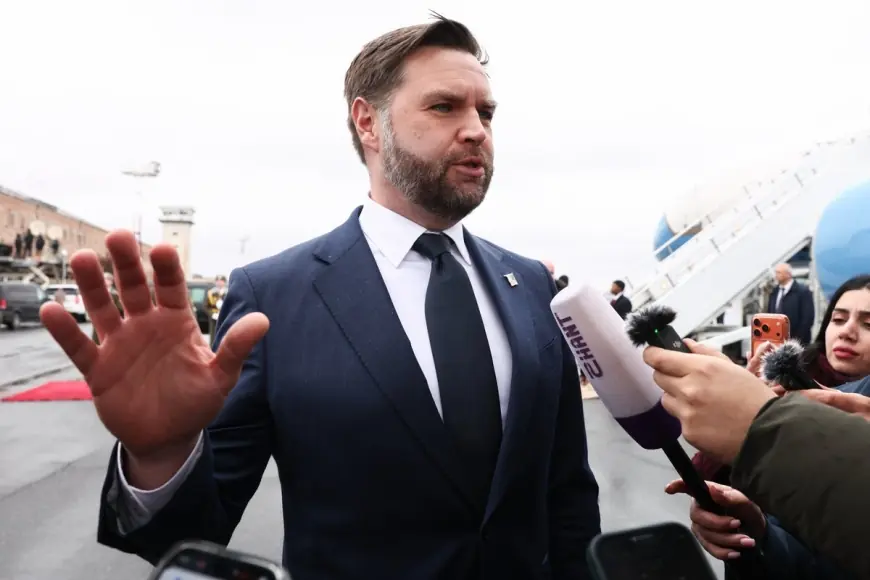
Vice President JD Vance offered pointed criticisms of the broadcaster during a live television interview on Tuesday (ET), creating an awkward on-air exchange that shifted attention from policy points to media dynamics. The remarks came amid broader remarks about the administration's priorities, including the economy, immigration enforcement and ongoing international negotiations.
Live exchange turns to media criticism
What began as a routine interview focusing on political messaging and policy quickly veered into commentary about how the broadcaster covers the administration. The vice president directly criticised the outlet’s editorial approach, saying its framing has sometimes missed the mark and risked confusing viewers. The host pushed back at times, leading to an uncomfortable back-and-forth that lasted several minutes and punctuated an otherwise policy-heavy segment.
The moment underscored a growing tendency for high-profile political figures to challenge media organizations in real time, especially when they perceive coverage as unfair or misleading. The vice president stressed that the administration’s record — particularly on economic recovery themes — is what he wants voters to focus on, but he also insisted that media narratives shape public understanding in ways that can be unhelpful.
Policy pitch amid tension
Despite the diversion, the vice president used the platform to advance the administration’s core themes. He reiterated that many Americans felt economically strained under the previous administration and framed current policies as rebuilding efforts intended to restore opportunity and reduce costs. In a pointed line, he said citizens had been “burned” under the prior leadership and asserted the current approach was putting the country back on firmer footing.
He also touched on domestic priorities: plans to tackle housing affordability, reforms aimed at lowering living costs, and a defensive posture on federal immigration enforcement. On technology policy, he argued for national rules to manage artificial intelligence risks, presenting regulation as necessary to protect jobs and national security while fostering innovation.
When the interview returned to foreign policy, he reiterated firm stances in negotiations with a key adversary, stressing that the administration has set clear red lines to prevent nuclear proliferation. Those comments were part of an attempt to reassure voters about stability and strategic clarity abroad while the administration balances domestic economic concerns.
Political optics and what comes next
Political strategists watching the exchange noted that on-air confrontations with media figures can be a double-edged sword. For supporters, the criticism underscores a willingness to call out perceived bias; for opponents, it can appear defensive and distract from substantive messaging. The vice president’s teammates will likely weigh whether such public critiques help sharpen the campaign’s narrative or simply create headlines that overshadow policy details.
With the midterms approaching, the administration is aiming to keep messaging tightly focused on tax and economic arguments it believes resonate with voters. The vice president’s appearance attempted to blend that message with an effort to control the narrative around how the administration’s actions are portrayed. Whether the network exchange strengthened or weakened that effort will be debated by political operatives in the coming days.
The episode is a reminder that live television remains an unpredictable forum: policy declarations can become secondary to personality clashes, and moments of tension can quickly outpace intended talking points. For now, the broader campaign will look to return attention to policy outcomes and voter-facing initiatives as it moves toward the upcoming electoral calendar.