

























itv news: Bristol council tax plan for van-dweller pitches could push some back to kerbside

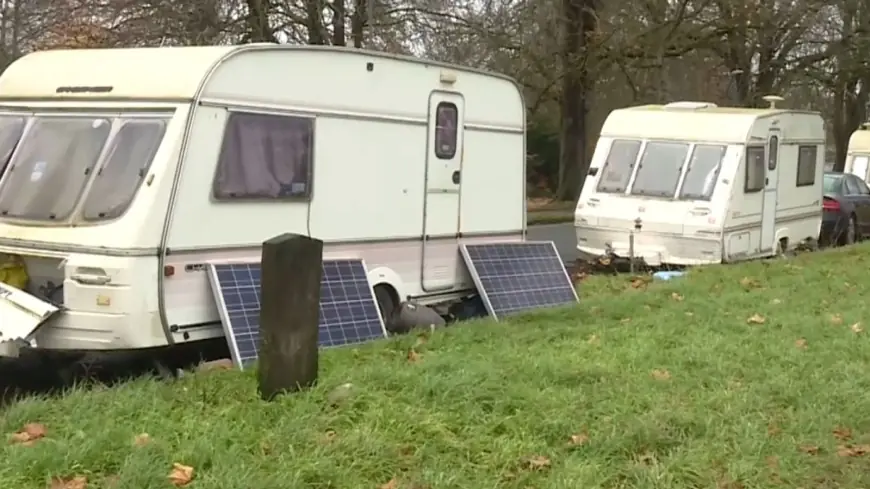
The city council has announced plans to apply Band A council tax to people living on temporary "meanwhile" pitches, a move that would add roughly £35 a week to the current weekly pitch fee of £30. Residents who use those serviced sites say the additional charge could force some to leave formal spaces and return to living on roadsides.
What the charge would mean for people living on pitches
The meanwhile sites were set up on disused land to offer basic facilities and reduce the number of vans and caravans parked on streets. They provide waste removal and toilet facilities, but many occupants say the plots do not offer the same security or services as conventional housing.
Under the proposed change, people on the sites would be banded as Band A properties and expected to pay the council tax element on top of the pitch fee. Residents say that valuation feels unfair because pitch users lack rights that usual tenants have: they cannot register a reliable postal address for voting, access conventional utilities in the same way, or be confident in the quality and safety of drinking water on every site.
One site resident warned the extra cost could be the "tipping point" that drives people off the meanwhile sites and back to kerbside parking. Another, who uses a vehicle as their home and asked to be named only as Ann, said they were grateful the sites existed but unwilling to pay added council tax "under the current conditions. " A community mental health worker living on a pitch described the proposed Band A banding as unfair and stressed that occupants are already paying for basic servicing of the sites.
Council intent, public numbers and community response
The council has framed the change as part of a broader effort to manage and expand provision for vehicle dwellers, aiming to increase the number of sanctioned pitches across the city. The authority says it is working closely with residents and offering support to help occupants apply for any available discounts and exemptions.
City-wide, the number of occupied live-in vehicles has risen significantly over recent years, leaving some streets more frequently used as long-term parking and living spaces. While pitch fees are designed to cover the cost of running meanwhile sites, council tax revenue is intended to contribute to a wider range of local services, which officials say justifies the charge.
However, community reaction is mixed. Some occupants welcome formal spaces and the relative safety they offer compared with roadside living but argue that the fee structure must reflect the limited services and rights tied to a temporary plot. Campaigners and residents are calling for clearer standards on sanitation, tested drinking water, postal provision and a reconsideration of how temporary pitches are banded for council tax.
Next steps and local consequences
The authority previously used discretion and did not charge council tax on meanwhile sites when they were first established during the pandemic. The move to introduce council tax comes as the council seeks to scale up sanctioned spaces across the city to respond to the growing demand for vehicle-based housing.
As the change is set to take effect from April, residents and advocacy groups will be watching how many people choose to remain on serviced plots once council tax is applied. If a significant number leave formal sites, the council could face renewed pressures from roadside encampments and associated public-safety and environmental concerns. The debate now centers on balancing the financial model for running meanwhile sites with the need to ensure those spaces genuinely provide a safer, sustainable alternative to living on the kerb.