























skynews: Two-hour queues and utter chaos — travellers describe new EU entry system


The EU's new entry-exit system (EES) for non-EU nationals is already changing the arrival experience for British travellers. Since the scheme replaced passport stamping, readers of a popular money blog have shared contrasting accounts — from multi-hour waits at passport control to breezy five-minute clearances.
Queues and delays: firsthand accounts
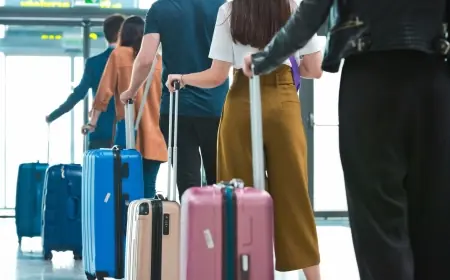
Several travellers said they faced significant hold-ups after landing. "Only this week it took my wife and me just under two hours to get through Berlin passport control — longer than our flight. It was utter chaos and it's only going to get worse, " one reader wrote. Another described a two-and-a-half-hour wait after arriving in Tenerife, calling the process "totally unacceptable. "
One note from Tenerife south recounted a taxi ride during which the driver, speaking loudly to base, relayed that British arrivals were being delayed by two hours. These kinds of anecdotes suggest variability in staffing levels, passenger volumes and how smoothly the new machines are being operated.
Anger and frustration have been expressed in blunt terms. "That's down to all the clowns that voted for Brexit. Enjoy your queue, " one commenter wrote, reflecting the politically charged backdrop that some travellers see intertwined with the practical problems at border control.
Not everyone faced problems: contrasting experiences
Not all accounts were negative. Some travellers reported short, well-managed processing times. One said their passage through an Alicante EES unit took about 20 minutes, with staff described as helpful. Others experienced minimal delay at airports such as Dusseldorf, with one traveller noting a five-minute clearance.
These contrasting reports point to uneven roll-out and performance across different ports of entry. Where units are well managed and staff are confident with the new procedures, queues appear to be much shorter. Where demand outstrips capacity or where technical or staffing issues occur, delays can stretch into hours.
What the system does and what travellers should expect
The EES replaces the old passport-stamping routine for most non-EU citizens. Travellers now scan passports and have fingerprints and a photograph taken to enter many European countries. The aim is to modernize border checks and better track entry and exit, but the transitional period is producing teething problems for some.
For passengers, the practical takeaways are clear: allow extra time at arrival, be prepared for possible queuing even if your flight is short, and follow airport guidance. Where available, choose arrival times or airports that historically manage arrivals efficiently, and seek help from airport staff if systems appear slow or overwhelmed.
Operational variability means experiences will continue to differ. Some ports are coping better than others, and local factors such as staffing, passenger numbers and technical readiness will shape passengers' journeys through passport control in the coming months.
The new system marks a significant change in how entry checks are handled. As travellers adjust and authorities refine procedures, expectations should be tempered by the likelihood of ongoing disruption in some locations while others settle into a smoother routine.