
















boyle: Why Benfica Champions League tie is a pivotal moment for Alvaro Arbeloa

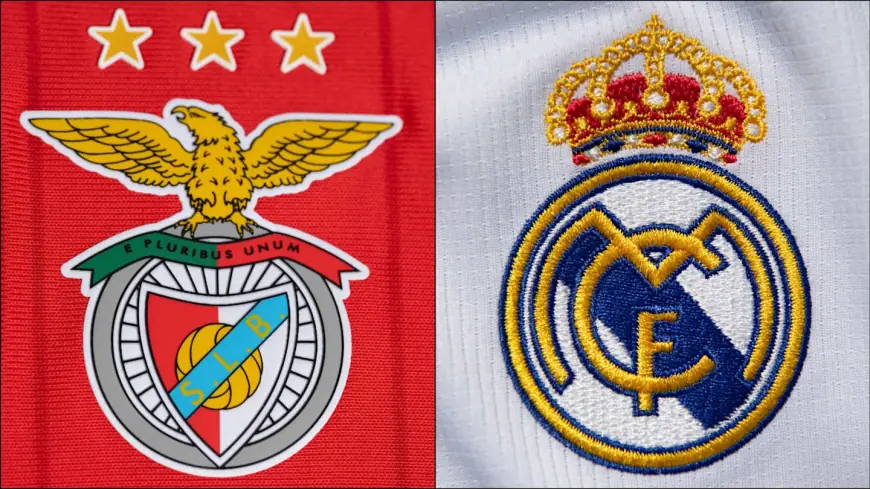
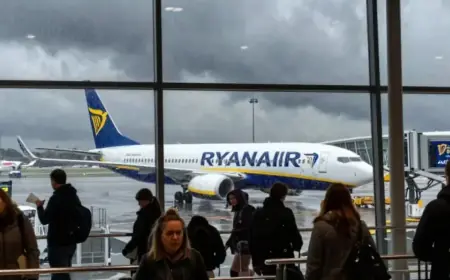
Alvaro Arbeloa's tenure at the helm of Real Madrid is still in its infancy, but the upcoming Champions League playoff against Benfica already reads like a potential turning point. Five weeks into the job, Arbeloa has steadied a club that briefly teetered after a dramatic defeat in Lisbon, yet failure to progress in Europe would instantly re-ignite questions about his appointment. The first leg takes place Tuesday evening (ET), with the return at home set for Wednesday, 25 February (ET).
Short reign, high stakes: what’s riding on this tie
Arbeloa replaced the previous coach last month and entered the role without established top-level managerial experience. People close to the club indicate he has a contract through the end of next season, but the margin for error is slim at a side accustomed to deep Champions League runs. The pressure intensified after a 4-2 defeat in Lisbon earlier in the season left Real facing a playoff just to reach the last 16 — a stage the club has not missed in more than three decades.
Club decision-makers briefly explored alternatives while supporters voiced unease, with contingency names discussed should results not improve. That sense of urgency explains why Europe matters so much: domestically the team sits atop the league after a run of games that has seen six wins from seven, but European elimination would quickly reverse the fragile calm in the hierarchy and among the fanbase.
Tactical changes and the evolution of Arbeloa’s side
Since the January defeat at the Estádio da Luz, Arbeloa has made clear changes to his match plans. The side that started with a 4-3-3 in Lisbon — featuring Franco Mastantuono, Kylian Mbappe and Vinicius Jr as the front three — has shifted toward a 4-4-2 in recent matches. That tweak sees Mastantuono drop into midfield and allows Gonzalo Garcia, Vinicius and Mbappe to rotate as more orthodox striking options.
Arbeloa has framed the switch as both a defensive and transitional choice. He highlighted that the four-man midfield helps close the central corridor and makes the team more compact, while still preserving the players’ capacity to execute rapid counter-attacks. “The goal is always to be solid, ” he said, stressing that defensive structure, effort and teamwork are the immediate priorities rather than stylistic flourishes.
The new shape has coincided with a positive string of results, suggesting the manager’s adjustments are beginning to take hold. Even so, Benfica represent a specific tactical and psychological challenge: they exploited space in that earlier meeting and finished with a convincing scoreline that forced Real into a precarious position in the competition.
Benfica’s threat and what Real must do
Benfica head into the playoff buoyed by their January victory and a run of form that has restored belief. Their manager has sought to exploit the narrative of a “wounded” giant — a line designed to unsettle opponents and energize his squad. Benfica’s injury list is easing, too, and while a few players may still be short of full match fitness, the core attacking threats that punished Real in the league encounter remain available.
For Arbeloa the game plan is straightforward in its objectives: avoid defensive errors, restrain Benfica’s transitions and win control of the midfield channels that were problematic in Lisbon. The away leg in Portugal demands both tactical discipline and mental steel; the return match at the club’s home on Wednesday, 25 February (ET) offers a chance to settle the tie, but only if Real can leave Lisbon intact.
Ultimately this weekend’s Champions League playoff will tell observers a lot about Arbeloa’s trajectory. A positive outcome will consolidate the recent upturn and buy time for his ideas to develop. A setback would reopen conversations about experience, recruitment and managerial direction — and thrust the club back into a period of rapid decision-making.