


















bbc adaptation of Lord of the Flies reignites debate over colour‑blind casting

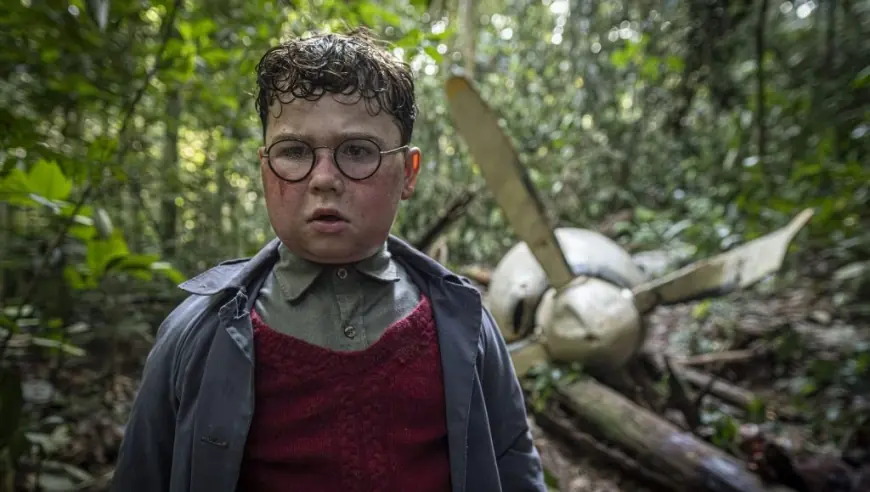
The new small‑screen adaptation of William Golding’s classic has prompted fresh argument over whether a deliberately diverse cast undermines the book’s critique of empire and racial hierarchy. The four‑part drama, which began its roll‑out on Feb. 8, 2026 (ET), has been both praised for its performances and scrutinised for the choices behind its casting and contextual framing.
Casting choices clash with the novel’s historical context
Debate centres on whether a colour‑blind approach to casting can coexist with a story rooted in mid‑20th‑century British ideas about civilisation, savagery and empire. Golding’s novel is often read as a corrective to adventure tales that assumed racial hierarchies as natural; it uses language and scenarios that explicitly reflect those worldviews. Some critics and scholars argue that when the racial identities of the characters are decoupled from that context, the adaptation risks muting the novel’s original commentary on colonialism and the ways race underpinned notions of English superiority.
Supporters of the casting argue that offering roles to a broader range of actors is necessary and overdue, and that diverse representation on screen brings fresh perspectives to canonical texts. Opponents contend the change can amount to a sanitisation: by removing visible racial difference from a story that hinges on questions of otherness, the production may transform Golding’s pointed interrogation of empire into a more generic study of human behaviour.
Production, performances and international rollout
Behind the debate are strong performances that many commentators have singled out, including a leading young actor in the role of Ralph and an ensemble of school‑age performers trained for the shoot. One of the child actors, a youngster from Kent, described filming in Malaysia as an unforgettable experience, spending several months away from home on location and working alongside a large group of peers selected from thousands of applicants.
Technically ambitious, the adaptation is being presented across multiple territories and has enjoyed interest from international buyers and festival programmers. It screened as part of a major European festival lineup in mid‑February 2026 (ET), where reactions ranged from admiration for its cinematic scale and score to continued debate about the ethical and interpretive choices behind the casting and adaptation strategy.
Where the conversation goes from here
The controversy highlights a wider cultural conversation about how classic texts should be staged and who gets to be seen in stories long dominated by a narrow representation of identity. Some commentators call for adaptations that foreground the novel’s historical specifics and the racial politics that inform them; others see value in retelling canonical works in ways that broaden access and opportunity.
What remains clear is that the series has reignited interest in both Golding’s novel and the ethical questions that arise when contemporary production values and modern casting philosophies meet a work shaped by its time. As the drama reaches new audiences through international distribution and streaming platforms this year, the debate over fidelity to historical context versus progressive representation is likely to continue on screens and in classrooms alike.