














wolves vs arsenal: How Arsenal Blew a Two-Goal Lead at Molineux

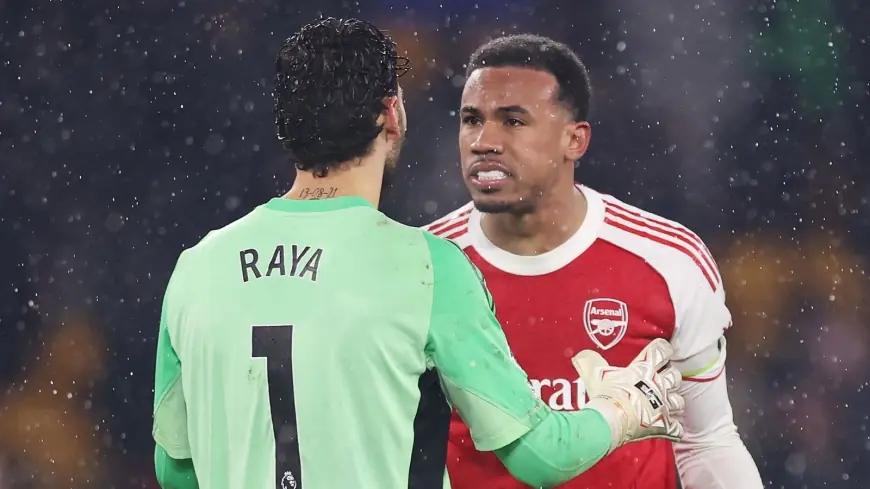
Arsenal went to Molineux with a two-goal cushion and leaves with a 2-2 draw that feels like a watershed moment in the title race. What looked routine on the scoresheet became an exercise in self-inflicted problems: loss of control, sloppy passing, questionable game management and a stoppage-time equaliser in the 94th minute ET that summed up a second half to forget.
Momentum swung early in the second half
When Piero Hincapie made it 2-0, Arsenal should have been able to close out the contest. Instead, Hugo Bueno’s strike changed the tempo and confidence on the pitch. The underlying numbers underline just how much control evaporated: Wolves completed 180 passes to Arsenal’s 163 in the second half, and Arsenal’s pass completion fell from 87% in the first half to 76% after the break. That dip tells a clear story — the side that had dominated territory and possession in the opening 45 minutes stopped doing the things that had won them the match.
Ball retention, recirculation and measured tempo were repeatedly abandoned. Players tried risky line-splitting passes and ambitious crosses that handed possession back to Wolves. When transitions ran against Arsenal, Wolves were able to press and pull the visitors out of their shape, forcing errors and creating the platform for a late comeback.
Key errors and missing control
The equaliser that will dominate headlines came after a goalkeeper handling error, but that moment was symptomatic rather than isolated. David Raya changed his approach from keeping possession in the first half to pumping long balls in the second, many of which failed to find a target. That unhelpful switch surrendered a core advantage Arsenal had earlier.
Midfield control — often the area that masks difficulty elsewhere — was absent. Martin Zubimendi and Declan Rice are the structure for Arsenal’s tempo, yet they were unable to impose dominance or sterilise Wolves’ pressure. Cross-field passes went astray, and decision-making in dangerous areas lacked the usual composure. One late attempt from Leandro Trossard epitomised the afternoon: an ambitious, angled cross-shot that recycled possession directly to the keeper rather than killing the contest.
Game management was also worrying. For long stretches Arteta was visibly urging calm and circulation from the touchline, but his players did not follow. Only in the dying moments did Arsenal visibly attempt to slow the game and disrupt restarts — moves that felt reactive rather than proactive and left them vulnerable to an equaliser deep into stoppage time (94th minute ET).
What this means and what must change
This draw raises questions about mental resilience and in-game leadership. The squad has shown quality across the campaign, but nights like this expose limits when a team fails to control transitions and manage the clock. Tactical tweaks — reinforcing midfield protection, clearer instructions on when to slow play, and more conservative ball routing when leading — are immediate levers. The goalkeeper’s distribution must be more considered; long hopeful balls handed possession back to Wolves and fuelled their comeback.
Managerial response will matter just as much as tactical adjustments. The reaction in the dressing room and on the training ground needs to be focused on restoring composure and decision-making under pressure. Fans and players alike will see the upcoming north London derby as a chance to reset, but Arsenal must show that this collapse was an outlier rather than a symptom of a fragile spine.
On paper the title race continues, but the narrative has shifted. Wolves’ fight rescued a point at Molineux and left Arsenal with uncomfortable lessons about game management, error control and the fine margins that decide league campaigns.