























Winter’s Hottest Sport Heats Up with Exciting New Changes

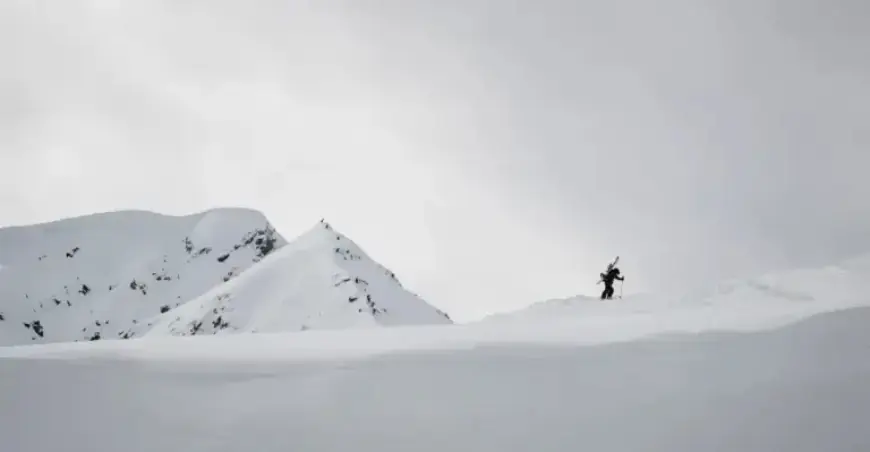
Winter sports are experiencing a significant evolution as backcountry skiing gains mainstream popularity. This shift is highlighted by the upcoming Olympic debut of ski mountaineering, also known as “skimo,” at the 2026 Winter Games in Milan-Cortina.
Backcountry Skiing: A New Era
Backcountry skiing was once considered a niche activity, mainly enjoyed by dedicated alpinists. However, it has surged in popularity, increasing participation across the United States. The latest data indicates that in the 2021-22 winter season, participation in alpine touring, the technical discipline closely linked to backcountry skiing, saw remarkable growth.
- 2021-22 winter season: Participation in alpine touring surged.
- Splitboarding, the snowboard equivalent, also experienced notable growth.
This trend is spurred by various factors, including affordable gear, a flourishing culture of skill-sharing, and an increasing desire for uncrowded, serene spaces away from traditional ski resorts.
Understanding Backcountry Skiing and Skimo
Backcountry skiing involves navigating outside controlled resort boundaries without conveniences like lifts or groomed runs. Enthusiasts are drawn to the allure of untouched snow and the thrill of “earning their turns” by climbing before descending. However, backcountry skiing entails significant risks. Once beyond resort boundaries, skiers must learn to assess terrain, snowpack stability, and weather conditions, as avalanche risks remain present.
Skimo’s Olympic Format
For the Olympics, skimo competitors will take on a challenging format that includes:
- Men’s Sprint
- Women’s Sprint
- Mixed-gender Relay
These athletes will race uphill using lightweight gear before quickly transitioning to skiing down. The skimo events pack intense action into a few minutes, showcasing both endurance and technical skills.
The Impact of Climate Change
Despite the excitement surrounding backcountry skiing and skimo’s Olympic presence, the sport faces an existential threat: climate change. As temperatures rise, the conditions necessary for reliable winter sports are diminishing. Studies suggest that the number of suitable locations for winter sports may drastically decrease in the coming decades.
- Projections indicate fewer viable Winter Olympic sites by the mid-2050s.
- Consistent snowpack is becoming increasingly rare in regions like the Western U.S.
Communities that rely on predictable snowfall for tourism and local economies are already confronting record warm winters and snow droughts. Measures such as artificial snowmaking have been implemented to ensure events like the Olympics can still occur, highlighting the fragility of winter conditions.
The Future of Backcountry Skiing
The growth of backcountry skiing and the inclusion of skimo in the Olympics brings both excitement and concern. While these developments may inspire athletes and enthusiasts alike, they also underscore the reality of a changing climate. The persistence of winter sports is therefore intimately tied to conservation efforts and innovative solutions to combat climate change.
As the sport evolves, it represents a connection to nature and the joy of climbing snowy peaks. However, it also serves as a reminder of the immediate need for action to preserve the environment. The choices made today will affect the winter sports landscape for future generations.