





















james talarico Raises $2.5 Million After Censored Late-Night Interview Sparks Donation Surge

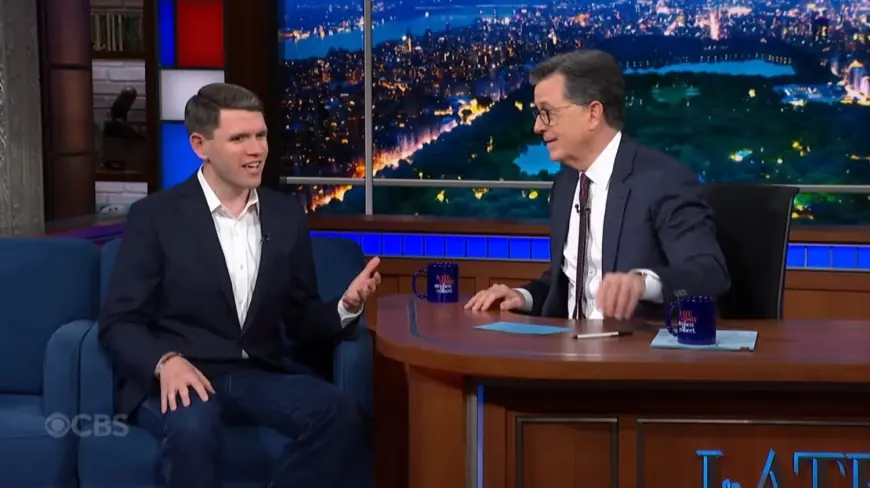
State Representative James Talarico’s Senate campaign says it collected $2. 5 million in the 24 hours after a late-night interview was prevented from airing on broadcast television and was instead posted online, drawing millions of views. The fundraising bump comes as early voting opens in the March 3 Democratic primary that will decide the party’s Senate nominee.
What happened with the interview
The host conducted an interview with Talarico that was set to air on a late-night broadcast on Monday, but studio lawyers informed producers the segment could not be aired on television. The host then recorded the conversation and posted it on his channel, where it drew a large online audience. The video had more than 5 million views as of Wednesday morning ET, and the campaign says the exposure translated into a rapid surge of small-dollar donations.
The network provided guidance to the show's team that airing the interview on television might trigger a federal equal-time requirement for other candidates in the Democratic primary. That guidance listed options for how equal time might be fulfilled for other contenders. One rival candidate pushed back, saying the federal agency was not the body that blocked the segment and that the choice to avoid airing the interview appeared to have been made by the program or the network out of caution over regulatory concerns.
Fundraising surge and campaign reaction
Talarico framed the fundraising haul as a rebuke of censorship from the top, calling the episode a threat to free speech. The campaign characterized the donations as coming from a broad base of supporters across the state and the country, emphasizing small-dollar contributions and grassroots energy.
Campaign leaders said the $2. 5 million figure reflects online contributions received in the 24-hour window after the interview was posted, and they used the moment to argue that voters rallied against what they called a heavy-handed form of cancel culture. Talarico positioned the response as both a defense of First Amendment rights and momentum ahead of early voting, which began Tuesday ET for the March 3 primary.
How the moment reshapes the primary
The burst of attention arrives in a tight Democratic primary between Talarico and U. S. Representative Jasmine Crockett of Dallas. A recent university poll showed Crockett leading with roughly 47% support to Talarico’s 39%, with a third candidate, Ahmad Hassan, polling at about 2%.
Both Democratic contenders are rushing to consolidate support as early ballots are cast. Talarico’s campaign aims to convert the surge in donations and online attention into increased turnout in key parts of the state. Crockett has appeared on national late-night television in the past but had not returned to that platform since launching her Senate bid.
On the Republican side, the eventual Democratic nominee will face a primary field that includes incumbent Senator John Cornyn, the state attorney general and a congressman from Houston. The broader fall contest is expected to be closely watched, and the sudden spotlight on Talarico’s interview has injected fresh intensity into the Democratic race ahead of next month’s balloting.
As campaigns shift into high gear, the episode has prompted debate about broadcast rules, platform publishing choices and how moments of perceived censorship can drive voter engagement and fundraising in modern races.