










Prince William’s Distance Widens — prince harry’s Mediated Outreach Failed, New Memoirs Claim

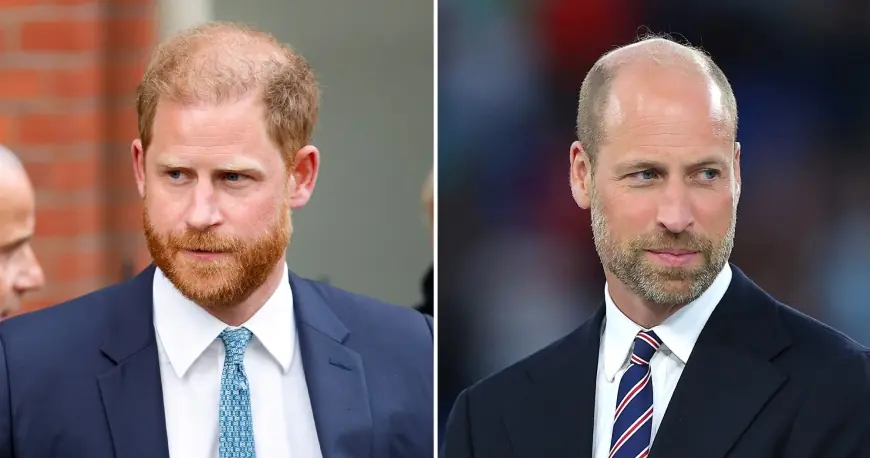
New books and commentary from people close to the family sketch a picture of a relationship that has hardened into long-term estrangement. One former royal aide says the elder brother has deliberately withdrawn as he gears up for future responsibilities, while others describe a failed attempt by prince harry to reopen a line of communication through an intermediary.
Why William has pulled back
Paul Burrell, who once served in the household of Princess Diana, argues that the Prince of Wales has intentionally created distance from his younger brother. In his new memoir, Burrell suggests that William’s path — increasingly defined by preparation for the throne — requires a tightly controlled environment around the heir. That, Burrell writes, leaves little room for personal entanglement that might risk leaks or public spectacle.
The narrative in recent biographies amplifies this view. Observers close to the palace environment say William has been compelled to adopt a more protected public posture as his responsibilities grow, a posture that can be experienced as emotional withdrawal by those who knew him best. The claim is that this caution is driven less by personal animus and more by the demands of an institution that prizes stability and control.
prince harry’s attempt to reconnect and why it stalled
Separately, writers and commentators with ties to the Duke of Sussex describe an attempted outreach that never led to a direct reconciliation. The picture presented is of prince harry engaging a mutual acquaintance to act as an intermediary — a bid to arrange a mediated conversation or at least a monitored exchange — but receiving no response from William.
Those close to Harry framed the move as a sincere effort to bridge a gap that widened after the couple stepped back from senior royal duties in 2020. The move to North America, subsequent interviews and high-profile media projects widened differences over privacy, public messaging and personal grievances. Harry’s written work and on-camera interviews further exposed tensions that had been simmering for years, and, in this telling, hardened the brothers’ positions.
People familiar with the attempt to mediate say the overture was not taken up. Commentators warn that without mutual change in approach — especially around the question of how family disputes are handled in public — an encounter brokered by a third party is unlikely to succeed. The window for informal, private reconciliation appears to have narrowed as both men have pursued distinct lives and priorities.
What this means going forward
For now, the relationship looks set to remain strained. William’s increasing proximity to the role of monarch places new imperatives on his public conduct and the operational security of his circle. Harry’s focus on family life abroad and on projects tied to his own platform mean the brothers are operating in different spheres, both geographically and institutionally.
Experts and insiders suggest that any future thaw would require careful groundwork: changes in how grievances are aired publicly, willingness on both sides to accept mediated conversation, and realistic expectations about what reconciliation would look like. Absent those shifts, the current dynamic — a guarded heir concentrating on institutional continuity and a younger royal building a life outside those constraints — is likely to persist.
Whatever happens next, the personal cost of this division is evident in the books and interviews now shaping public understanding of the family’s private life. The unfolding story will be watched closely, especially as the monarchy adapts to new generations and the responsibilities they inherit.