


















Debate over casting and tone sends readers back to the wuthering heights book

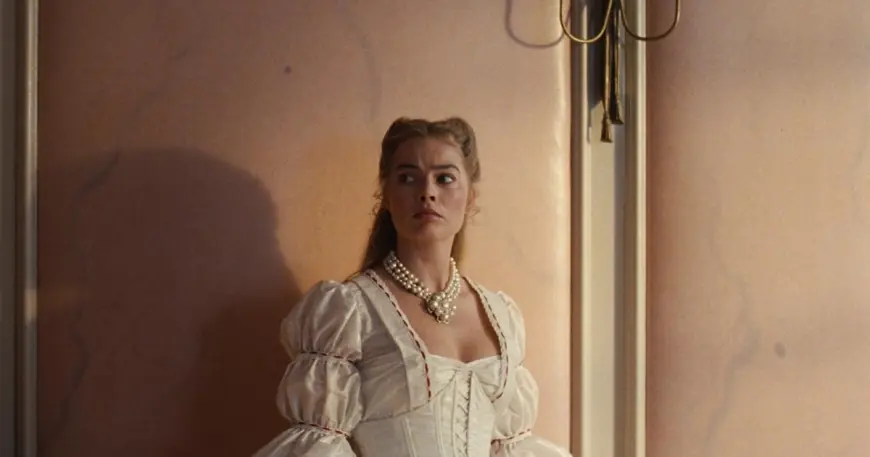
Emerald Fennell’s polarizing new screen version of Emily Brontë’s story has reopened conversations about what the novel is — and what it should be on film. Audiences have praised the movie’s bold visuals and design, while many longtime readers and scholars are questioning casting choices, narrative cuts and the emotional core of the adaptation.
Readers split over tone, visuals and eroticism
Reaction from readers has been emphatic and mixed. Some viewers applauded the director’s baroque, colour-saturated approach: lavish costumes, audacious set pieces and a modern soundtrack that aimed to evoke the moorland’s moods. Those elements prompted standing-room crowds on release night and convinced some first-time readers to tackle the novel they had long avoided.
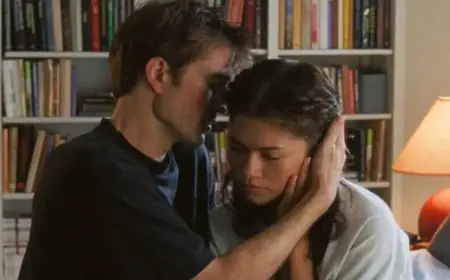
But not everyone was won over. A group of English teachers who watched the film together praised the striking contrasts between sumptuous dress and bleak landscape, and enjoyed the film’s shocking visual moments and contemporary music choices. Yet they also felt that the adaptation reduced the book’s ache of longing into something flatter and occasionally silly. Several viewers said the sexual scenes entertained but did not develop the underlying emotional connection between the characters, and that the director’s choices diminished the novel’s more unsettling, supernatural undertones.
Critics and readers alike have pointed to how certain plot strands and characters were conflated or excised. The film compresses the book’s sprawling arc into a tighter, more immediate drama, collapsing multiple figures into composite roles. For some this sharpened the narrative; for others it erased essential tensions — especially the unreliable narration that in the novel complicates who we can trust.
Casting controversy reignites questions about Heathcliff’s identity
One of the film’s loudest flashpoints centers on the casting of Heathcliff. The novel’s text offers descriptions that have long encouraged debate over the character’s racial and cultural origins, with phrases that suggest he may be “dark” or otherwise marked as an outsider. Those ambiguous descriptors have led many scholars and readers to interpret Heathcliff as non-white or mixed heritage, or as a figure of otherness tied to Liverpool’s maritime and migratory histories.
The decision to cast a white actor in the role has prompted accusations of whitewashing and renewed discussion about how faithful any adaptation ought to be to those implications of racial difference. Some viewers see the casting as a missed opportunity to engage directly with the novel’s layered depiction of otherness — whether that otherness is read through the lens of race, class or nationality. Others counter that cinematic interpretation can emphasize different thematic threads, such as desire, revenge and destructive attachment, even if that comes at the expense of the book’s historical particularities.
What was left out — and why it matters
The film’s concentrated focus trades the book’s complex, two-part structure for a single, intense portrait of obsession. That means major characters and the second half of the novel are largely absent, along with some of the moral and racial tensions that run through Emily Brontë’s narrative. The excision of the novel’s layered narrator and the decision to make certain supporting figures more sympathetic or villainous change how the central relationship reads: from inscrutable and corrosive to a more legible, if sometimes adolescent, drama.
For many readers, the adaptation’s bravura craftsmanship — the doll motifs, the couture styling and the cinematic tableaux — makes for a memorable film experience. For others, those same flourishes suggest a 21st-century spotlight that glosses over the book’s darker, more complicated interrogations of identity and power. Either way, the release has already pushed fresh audiences toward the text, reigniting book club discussions and secondhand shop sales. The debate is likely to continue as more viewers weigh what an adaptation should keep, change or amplify when translating a canonical, enigmatic novel to the screen.