



















Celebrini, Hughes steer dramatic quarterfinals in olympic hockey as Canada and USA reach semifinals

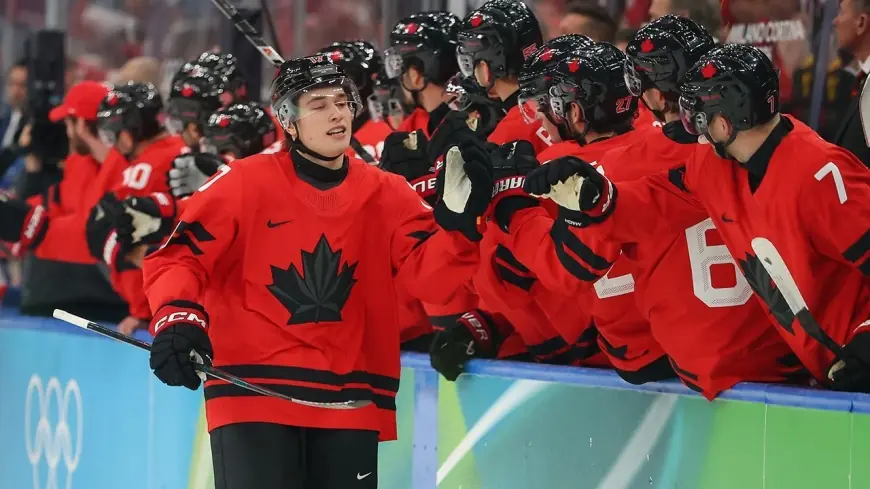
Overtime heroics defined a gripping night of quarterfinal action, with Macklin Celebrini’s extra-time winner lifting Canada past Team Czechia 4-3 and Quinn Hughes’ decisive strike sending Team USA past Sweden 2-1. Goaltending performances and veteran leadership under pressure shaped results that set up high-stakes semifinals.
Celebrini’s late charge gives Canada momentum
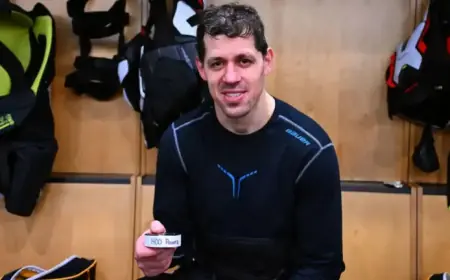
Macklin Celebrini emerged as the story of Canada’s quarterfinal victory, burying the overtime winner that punched his team’s ticket to the semifinals. The 4-3 result against Team Czechia came after a back-and-forth affair that tested Canada’s depth and composure late in the evening (ET).
Celebrini spoke to the emotional lift the win delivered, noting how the group leaned on one another in tight moments and the importance of finishing chances in overtime. Veteran teammates echoed that sentiment, highlighting timely contributions across lines and the way younger players elevated their game on the biggest stage.
Goaltending played a major role in the tilt. The Canadian netminder faced sustained pressure at times but made the stops that kept his side within striking distance until overtime. Postgame comments from members of the roster emphasized a collective defensive grind after the opening minutes, and team forwards praised the balance between structured play and creative rushes that ultimately produced the finish Celebrini delivered.
Hughes, Hellebuyck and USA resilience in tight win
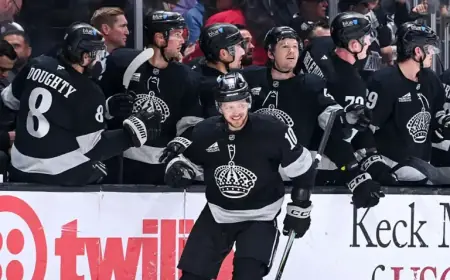
Team USA’s 2-1 victory over Sweden was a contrasting brand of drama — a defense-first, low-scoring duel that hinged on a single breakthrough. Quinn Hughes supplied that opportunity, scoring in overtime to end a tense affair and send the Americans into the final four.
The American goaltender was a barometer for the team’s steadiness late, with key saves keeping the contest within reach until Hughes finished it. Defense corps contributions were a recurring theme in postgame remarks, with forwards and veteran leaders crediting the blue line for critical breakups and transitional play that created the game’s lone extra-time chance.
Teammates underlined how the group handled the pressure of sudden-death hockey — staying patient, clearing lanes, and winning battles along the boards to control possession in crucial moments. The blend of poise and opportunism showcased in that matchup presents a template the USA will try to replicate in the semifinals.
Broader quarterfinal takeaways and what’s next
The quarterfinal round produced several storylines beyond the two overtime thrillers. There were dominant offensive outings elsewhere in the bracket, strong individual showings from established stars, and tactical adjustments that paid off for teams that leaned into disciplined structure. Several postgame interviews emphasized recovery and short-term focus; with the semifinals looming, teams are turning attention to quick turnaround routines, lineup evaluations, and sharpening special teams.
Both Canada and the USA leave the quarterfinals with momentum and questions to answer: how to maintain defensive discipline while generating sustained offense, and which matchups coaches will prioritize in a short preparation window. Goaltending will again be critical — the ability to withstand pressure and deliver timely saves has proven decisive and figures to remain a focal point in the next round.
As the tournament moves into the semifinals, attention will shift to matchups, recovery strategies, and which players can replicate late-game magic. The quarterfinals offered a reminder that in this format, a single play can swing an entire campaign — and that clutch performers are often the difference between an early exit and a trip to the medal games.