




















Why did anthony kim’s Adelaide win resonate so deeply? Tiger Woods has the answer

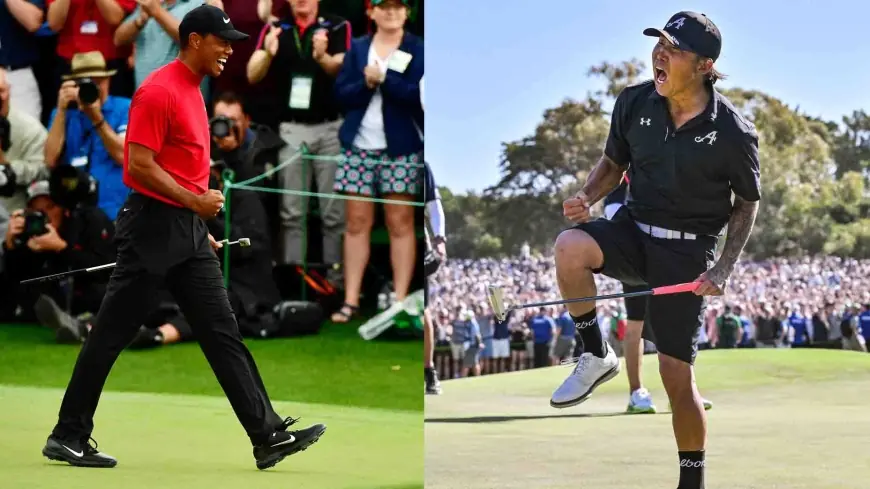
Short intro: On Sunday (ET) at The Grange in Southern Australia, anthony kim poured in putt after putt to capture his first professional trophy in 16 years. The victory was about far more than a leaderboard move; it was a full-circle moment that prompted reflection from one of the game’s greatest comeback stories, Tiger Woods.
From prodigy to exile to improbable return
Kim arrived in the professional scene as a fiery young talent, collecting three wins before he was 25, playing a pivotal Ryder Cup role at Valhalla and climbing to No. 6 in the world. Then came a devastating Achilles injury in 2012 and years of physical setbacks that coincided with deep personal struggles. For well over a decade he drifted out of the public eye, battling injuries and what he has called "dark demons" and addiction. The image of anthony kim as an unreachable, almost mythical talent grew with time.
His path back began privately: Kim has credited his wife, Emily, and daughter, Isabella, with helping turn his life around. He has called his survival "a small miracle" and has spoken candidly about learning to play again, relearning modern equipment and rebuilding a game that once seemed effortless. He returned to competitive golf in 2024 by signing with a new tour, but early results suggested the comeback would be a long, uncertain process.
The climb and the breakthrough
Kim’s route to Adelaide’s winner’s circle included gritty, lesser-seen moments. He earned his spot back through a promotions event, famously making a birdie on the 36th hole to secure weekend play and ultimately finishing third in that event. Those performances were the kind of hard-won steps that can go unnoticed until a breakthrough arrives.
At The Grange, Kim chased and then overtook two of the sport’s best, Jon Rahm and Bryson DeChambeau, with a display of putting that looked both technical and emotional. "Every putt that went in, I felt the struggle, and I was overcoming it, " he said after the win, calling the week "therapeutic". That combination of elite execution and visible emotional release is what elevated the event from a tournament result to a cultural moment in golf.
Why Tiger Woods felt it — and why the moment matters
Tiger Woods, who has navigated his own public and private battles, watched the final round and saw more than a player sinking putts. He recognized the kid who once lit up leaderboards and major conversations, and he saw the man time and hardship shaped. Woods’ reaction illuminated the empathy many in the sport felt: comebacks are not only about skill restored but about lives mended.
The win matters for several reasons. It punctures the narrative that gone means gone — careers can be rerouted and reputations rebuilt. It puts a human face on recovery and resilience at elite levels of sport. And it shifts how fans and players think about second acts: not as nostalgic wish-fulfillment but as hard-earned outcomes that involve family support, therapy, technical adaptation and relentless work.
For Kim personally, the trophy closed a long chapter and opened another. It validated years of quiet labor and difficult personal progress. For the broader golf world, it offered a reminder that talent combined with time, help and will can produce moments that reach beyond leaderboards and into human stories.
Whatever comes next for anthony kim, Sunday’s victory will be remembered as more than a win — it was a testament to survival, reinvention and the power of a second chance.