





















simone biles in focus as Olympic pressure, resilience debate resurfaces after Malinin's reflection

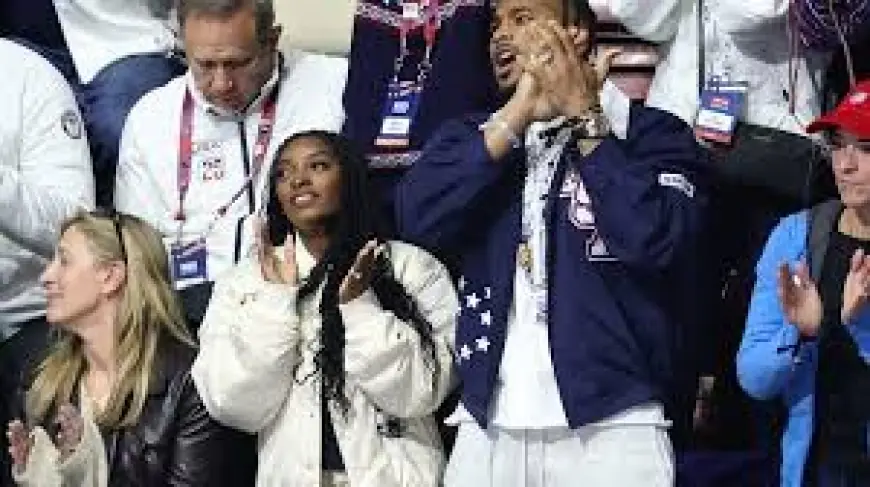
Ilia Malinin's candid remarks about the toll of Olympic pressure have reopened a familiar public conversation: how elite athletes cope with scrutiny, setbacks and the choice to prioritize mental health. At the center of that discussion stands simone biles, whose high-profile career has made her a touchstone for debates about performance expectations and athlete well‑being.
Olympic pressure and the language of recovery
Malinin, reflecting on a difficult individual result at the Winter Games, framed his experience in starkly human terms. "Everything happens for a reason, " he said, adding that "you learn a lot more from failure than you do winning. " He described the mix of physical, mental and emotional demands that go into elite performance and noted the necessity of moving forward: "You have to get up and skate the next day. " Those words echo a broader pattern across sports, where top athletes must navigate an unforgiving spotlight and the ever-present expectation of perfection.
The current moment has revived questions about how coaches, federations and event organizers prepare talent not only to win but to recover from high-profile missteps. For many observers, recovery is not just physical rehabilitation or technical refinement; it is also an institutional and cultural shift that recognizes emotional resilience as central to an athlete's long-term success.
Where simone biles fits in the modern conversation
simone biles' name surfaces repeatedly in these debates because her public choices and the reactions they provoked helped reshape how fans and officials talk about mental health in elite sport. Biles has become a shorthand for an athlete asserting personal limits under intense pressure — a symbol that the definition of success can include preserving mental and physical health over immediate results.
That symbolic role carries both power and scrutiny. Advocates point to the shift in public awareness and the increased demand for athlete-centered care. Critics sometimes frame such decisions through the narrowest lens of medals and national prestige. The push-and-pull between those views is now playing out across disciplines, from the ice to the mat to the rink, as athletes adapt to heightened stakes and amplified reactions from the public and media.
Moving forward: practical steps and cultural change
Experts who study athletic performance note that change must operate at several levels. At the athlete level, resilience training and mental-skills coaching are becoming as routine as physical conditioning. At the organizational level, teams and governing bodies are being urged to integrate mental-health professionals into daily operations, adjust expectations around competition scheduling, and create clearer pathways for athletes to step away without stigma.
Public figures who speak openly about setbacks help normalize the conversation. Malinin's plain assessment of a "bad day" and the lessons he drew from it — electing to double down on technical development and accept the emotional fallout — mirrors a larger narrative: setbacks can catalyze growth when athletes receive support rather than shame. For simone biles and others whose careers have already reshaped public norms, the next challenge is converting heightened awareness into durable policy changes that protect athlete welfare across sports.
As the next major championships and trials approach, expect the debate to intensify. Fans and governing bodies alike will be watching how teams prepare athletes for the full spectrum of elite competition: not just how they chase gold, but how they manage the pressure that comes with it and how they recover when things go wrong. The conversation that once centered on singular moments is evolving into a broader conversation about care, respect and sustainable excellence.
![Florida Panthers Face Off Against [Team Name] on April 4, 2026](https://www.filmogaz.com/uploads/images/202604/image_430x256_69d2395a47e1f.webp)