

























Olympic Medal Count Right Now: Milano Cortina 2026 Standings, How the Table Is Ranked, and Why “Total Medals” Can Mislead

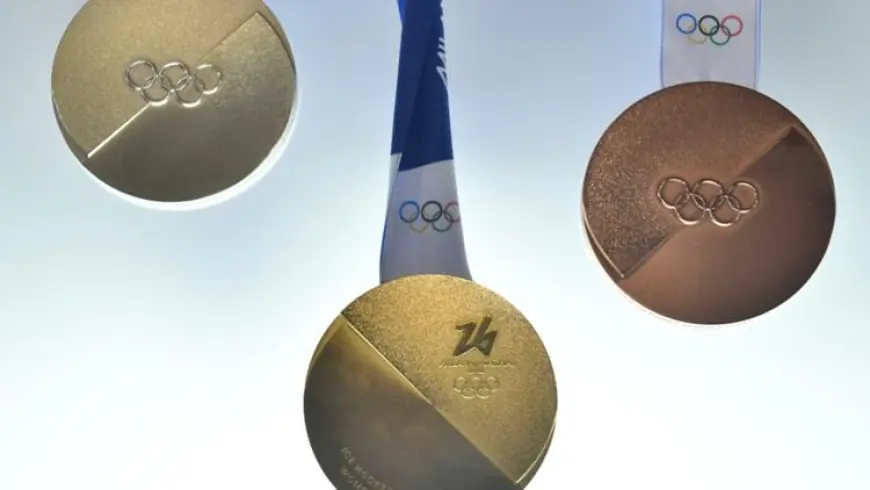
“Olympic medal count” can mean two different things depending on what you’re trying to track: the live standings at the current Games, or the legacy totals from past Olympics. Today, Thursday, February 19, 2026, the Olympic medal count most people are checking is the live Winter Games table from Milano Cortina 2026, where the leaderboard can shift multiple times in a single day as finals stack up across skiing, skating, and sliding sports.
Milano Cortina 2026 medal count today in ET
As of February 19, 2026, the top of the Winter Olympics medal table looks like this:
-
Norway: 15 gold, 8 silver, 10 bronze, 33 total
-
Italy: 9 gold, 4 silver, 12 bronze, 25 total
-
United States: 7 gold, 11 silver, 6 bronze, 24 total
-
France: 6 gold, 7 silver, 4 bronze, 17 total
-
Sweden: 6 gold, 6 silver, 3 bronze, 15 total
Two quick takeaways explain why this is a tense, moving race:
-
Norway is piling up golds, which is the most important column for rank.
-
The United States is accumulating silvers at a strong clip, which can matter a lot if gold totals tighten.
How the Olympic medal count is ranked, and why there’s always an argument
The standard Olympic medal table sorts countries by gold medals first. Silver medals break ties, then bronze medals. If countries are still tied across all three, they’re listed alphabetically.
That ranking rule is the reason you can see a country leading in total medals but sitting behind another country with fewer total medals but more golds. This isn’t a glitch. It’s a value choice: the table rewards winning events over piling up podium finishes.
Behind the headline, this is why “medal count” debates never die. Different systems tell different stories:
-
Gold-first emphasizes champions and event wins.
-
Total medals emphasizes depth across sports and consistency.
-
Weighted systems try to split the difference but are not the standard table.
Why the Milano Cortina 2026 medal count is volatile this week
Winter Games medal tables swing hard because medal opportunities are clustered. A nation can jump several places in one day if a sport delivers multiple podiums in quick succession. There are also structural reasons some countries tend to rise:
-
Countries strong in sports with many events, like certain skiing and skating disciplines, have more chances to stack medals.
-
Team sports award far fewer total medals than individual event-heavy sports, which can disadvantage countries whose best strengths are in team formats.
Second-order effect: because the standings update constantly, fans and commentators overreact to short-term shifts. A single golden day can look like dominance even if the broader trend is a slow grind.
What “Olympic medal count” looked like at the last Summer Games
If your search is really about the most recent Summer Olympics, the final medal table from Paris 2024 ended with a rare headline twist: the United States and China finished tied on gold medals at 40 each, but the United States ranked first on the table because it had more silvers. The United States also led in total medals with 126, while China had 91.
That finish is a perfect case study in why the sorting method matters. The gold tie meant the silver column decided the top spot, and it fueled a familiar argument: are the Olympics about first-place finishes, or overall podium strength?
What we still don’t know today, even with a clear medal table
Even with the current counts, a few things remain unclear until the final weekend:
-
Which sports still have the biggest remaining medal inventory, where late surges can happen
-
Whether the leaders can maintain health and form through the last high-pressure finals
-
How many events are likely to be decided by razor-thin margins that flip gold and silver between the same few countries
What happens next: realistic scenarios for the medal race
-
Norway extends its gold lead
Trigger: continued conversions in marquee winter disciplines where it traditionally peaks. -
Italy tries to close the gap with a home-Games surge
Trigger: strong performances in high-visibility finals where crowd energy and familiarity can matter. -
The United States climbs without needing the most golds today
Trigger: a steady stream of podiums that positions it well if gold totals compress late. -
A mid-table nation rockets upward in the final days
Trigger: a sport-specific hot streak that delivers multiple medals across two or three days. -
The “medal count” conversation shifts from standings to legacy
Trigger: once the closing ceremony passes, focus moves to records, breakout stars, and all-time totals.
If you tell me whether you mean the Winter Games right now, the Paris 2024 final table, or all-time Olympic totals, I can tailor the medal count view to exactly what you’re trying to compare.