
















FCC equal-time push forces late-night host to pull james talarico interview

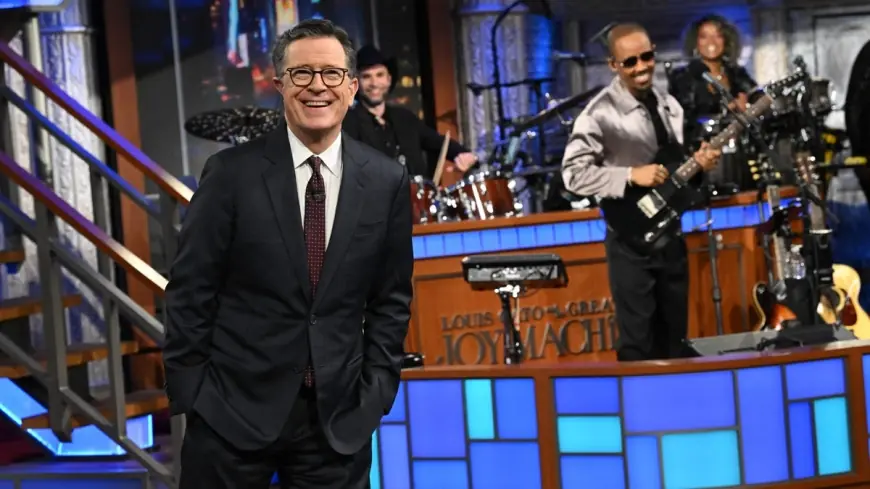
The push by federal regulators over the century-old equal-time rule prompted a major broadcast to steer a late-night show away from airing an interview with Texas lawmaker james talarico, the host said, fueling a new debate over political coverage and broadcaster caution.
Host says interview was blocked after regulator warning
On a recent edition of his late-night program, the host announced that executives had advised against broadcasting an interview with james talarico, a state representative running in a high-profile Democratic primary. The host framed the decision as pressure from an activist regulator at the Federal Communications Commission, and he chose to publish the interview through an online outlet instead of airing it on the network.
Network leadership pushed back, telling staff that legal counsel had warned the broadcast could trigger the equal-time obligation for other candidates, and that options had been offered for how any mandated time could be fulfilled. The network maintained that it had not prohibited the host from airing the piece but had provided guidance about the legal risk.
Regulatory notice widens uncertainty around talk-show interviews
The episode comes after a recent FCC notice revisiting the equal-time rule, which requires broadcasters to offer comparable opportunities to rival candidates when a station gives airtime to someone running for office. For decades, many late-night and daytime programs relied on a longstanding exemption for "bona fide news" interviews, but the regulator's language has cast doubt on whether that protection applies to entertainment-oriented formats.
One commissioner has taken a particularly assertive tone toward noncompliance, and regulators have opened inquiries into at least one daytime interview that featured the same Texas lawmaker. That inquiry and the broader notice have left producers and network lawyers weighing legal exposure against editorial priorities, leading some executives to advise caution when a candidate appearance could trigger equal-time obligations.
Chilling effect and newsroom independence at stake
Media critics and newsroom veterans warn the latest developments could chill political coverage. When networks or production teams decline interviews out of fear of regulatory reprisal, viewers may lose opportunities to hear directly from candidates on mainstream television, shifting more campaign discourse to partisan outlets or paid digital channels.
Proponents of the regulator's stance argue the equal-time rule ensures fairness on publicly licensed airwaves, while opponents say aggressive application risks government-adjacent influence over editorial judgments. The tension highlights a recurring question: how to balance rules meant to protect electoral fairness with the press's role in independently deciding what to cover.
For the late-night host and his audience, the immediate result was a publicly released interview outside of scheduled broadcast time, and a sharper spotlight on how federal enforcement choices reverberate through editorial decision-making. Industry lawyers are now recalibrating guidance for similar guest bookings, and producers are likely to re-evaluate the trade-offs of featuring active candidates on programs that blur news and entertainment.
As the political calendar heats up, the clash between regulatory caution and editorial freedom is expected to surface again. Broadcasters, hosts and candidates will watch how the commission follows up on its notice and whether further enforcement actions clarify or compound the legal uncertainty around candidate appearances on nontraditional news programs.