





















Norway’s paradox: Winter powerhouse falters in mens hockey olympics push

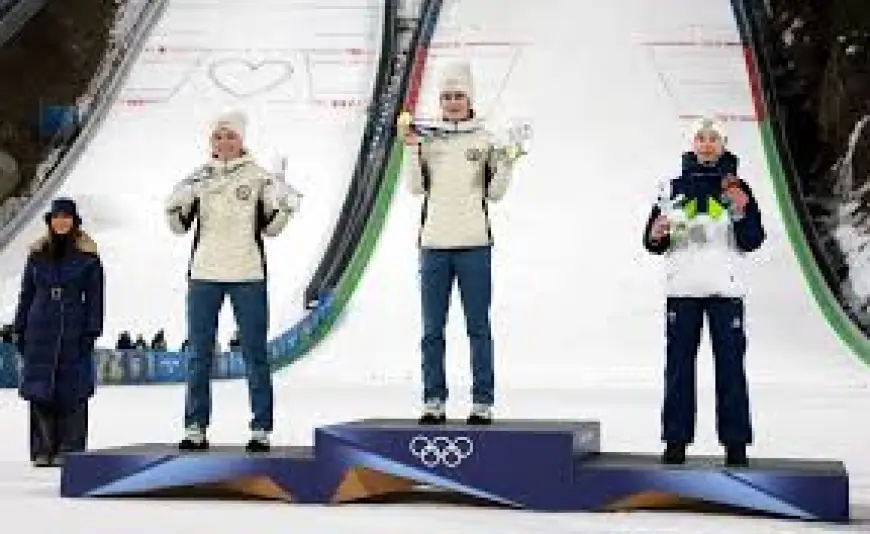
Norway sits atop the Winter Olympic medal standings, yet it remains a relative minnow in international ice hockey. The gap between Nordic neighbors and Norway’s hockey program has widened into a structural challenge: limited rinks, modest youth participation and competing winter sports are constraining the country’s ambitions on the Olympic ice.
Numbers that underline a mismatch
On the surface the contrast is stark. Norway counts roughly 14, 742 licensed hockey players, while neighboring Sweden and Finland each register well over 65, 000. The pipeline to the highest professional level is shallow: three Norwegians have appeared in NHL games this season — a veteran forward who inspired a generation and two younger names trying to break through — compared with dozens from Sweden and Finland.
Infrastructure compounds the challenge. Norway has 54 indoor rinks nationwide. In practical terms, there are more rinks within 100 kilometers of Stockholm than in the entire country of Norway. That has a predictable impact on year-round training, organized leagues, and the crucial 10-to-14-year development window when players accumulate game experience and coaching.
Culture, geography and competition for athletes
Hockey in Norway competes with sports that enjoy deeper cultural roots and broader public appeal. Cross-country skiing, biathlon and alpine disciplines dominate youth participation and national attention. When young athletes choose which sport to pursue, skiing’s infrastructure and national prestige frequently tip the balance.
Geography helps explain why skiing rises to the top. Norway’s terrain is more mountainous and dispersed than that of Sweden or Finland, lending itself naturally to winter endurance and alpine sports. That geographical advantage has translated into world-class success on snow, but it does not automatically create a thriving ice-hockey ecosystem.
Leadership voices in Norway’s hockey community describe the failure to qualify teams for recent Olympic hockey tournaments as demoralizing. The missed opportunity on the Olympic stage matters beyond medals; an appearance can energize youth enrollment, attract sponsors and justify investments in arenas and coaching networks.
Pathways and priorities for improvement
Changing course requires time and coordinated investment. The basic steps are familiar: build more accessible rinks, expand youth programming, professionalize coaching at the grassroots level and create clearer pathways to top leagues. Role models matter, and Norway has standout figures whose careers can be leveraged to inspire participation, but role models alone cannot substitute for courtship of young talent.
The proximity of Sweden and Finland offers a potential advantage. Partnerships for exchanges, junior tournaments and shared coaching clinics could accelerate learning and broaden competition opportunities for Norwegian kids. At the same time, domestic policy choices will determine whether hockey can attract a larger share of the athletic talent pool currently steered to skiing and other sports.
For now, Norway’s winter dominance remains concentrated in snow sports. The country’s near-miss in qualifying for the upcoming Olympic men’s tournament highlights both progress and the distance to go. Transforming that near-miss into a regular Olympic presence will require sustained investment, strategic planning and patience—measures that can gradually translate Norway’s broader winter-sport excellence onto the international ice.