




















tony clark resignation reverberates through MLBPA as leadership scramble begins

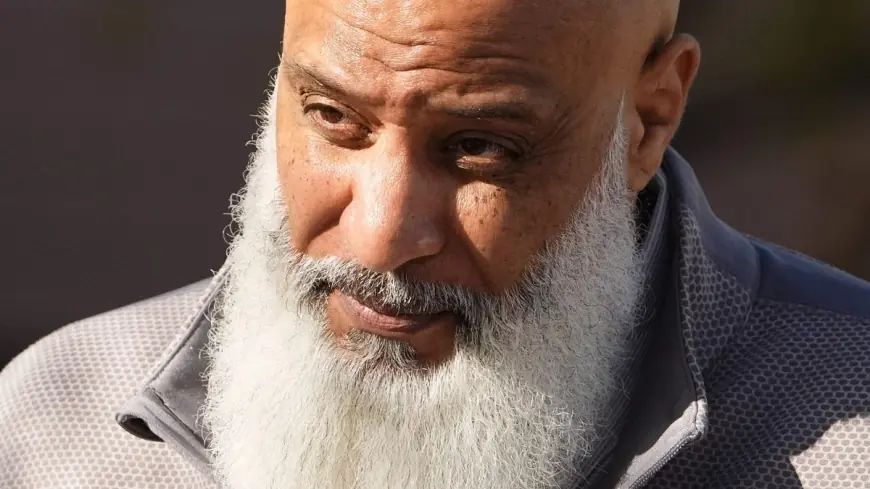
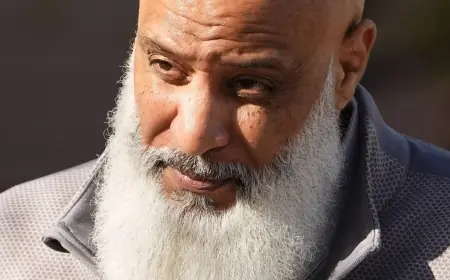
The Major League Baseball Players Association is facing an abrupt leadership crisis after executive director Tony Clark stepped down following revelations from an internal investigation. The resignation has left player representatives and executive council members weighing options for interim leadership while a federal inquiry remains active, all as collective-bargaining talks loom.
Immediate fallout and an unsettled leadership vote
Union leaders convened a conference call with 30 player representatives and eight executive council members to process the resignation and consider who should lead next. The executive council expressed support for the union’s lead negotiator, Bruce Meyer, as an interim option, but Meyer met pushback from multiple player representatives and no final vote was taken on the call.
Delegates planned to reconvene the following day after player representatives had an opportunity to consult their teammates. If Meyer is not approved, the union could elevate an attorney from the general counsel’s office for a player vote. Regardless of title, Meyer is expected to remain the lead negotiator through the negotiations, with the collective bargaining agreement set to expire on Dec. 1.
Practical disruptions already landed on the union’s schedule: the organization postponed spring training meetings that were set with two clubs on Tuesday. Meyer and other union officials were slated to meet with Kansas City players at 10: 30 a. m. ET on Wednesday; Meyer is expected to speak to the media after addressing the players. The pause in routine engagements underscores how quickly internal personnel issues can bleed into preparation for high-stakes bargaining.
Investigations, revelations and lingering legal exposure
An internal inquiry concluded that the executive director had an inappropriate relationship with his sister-in-law, who has worked in the union’s Scottsdale office since it opened in 2023. Financial disclosures in the union’s statements show she was paid $83, 101 in 2023 and $96, 524 in 2024. The internal review cleared Clark of mishandling union finances, but the relationship itself triggered his resignation.
Separately, federal authorities in the Eastern District of New York are conducting an investigation that unearthed the relationship. That investigation remains active and creates an added layer of legal and reputational risk for the union as it navigates personnel transitions and the public fallout from the disclosures.
The union issued a statement late Tuesday confirming the departure and noting that staff, outside counsel and players had discussed next steps. The statement emphasized the membership’s commitment to solidarity and to defending players’ rights as bargaining approaches, but it did not elaborate on the internal findings that led to the resignation.
What this means for bargaining and the union’s credibility
Union leaders and several members of the executive subcommittee insisted that the organization’s negotiating capacity remains intact. They pointed to existing structures and veteran negotiators who have handled the technical work of bargaining in the past. Still, the timing is awkward: owners are expected to press for structural changes, including a salary cap framework, a proposal the players have signaled they will not entertain.
Detroit Tigers pitcher Tarik Skubal, a member of the executive subcommittee, expressed confidence in the negotiating team, saying he does not believe the leadership change will impair the union’s ability to negotiate. That sentiment will be tested as player representatives weigh whether to install Meyer as the interim leader or choose another path.
Beyond the immediate question of who will serve as executive director, the episode raises broader governance issues: workplace policies around relationships, processes for vetting hires, and how to maintain trust in a union that represents a diverse and distributed membership. With the federal inquiry ongoing and collective bargaining negotiations fast approaching, the union’s next steps will be scrutinized closely by players, teams and the public.
In the coming days, the union’s players and leadership will need to settle on interim stewardship, reassure membership that bargaining preparations will continue uninterrupted, and navigate the legal ramifications of the federal probe. How they manage that transition could define the union’s credibility through the crucial bargaining season ahead.