






















When does ramadan start? What to know about the holy month and this year's timing

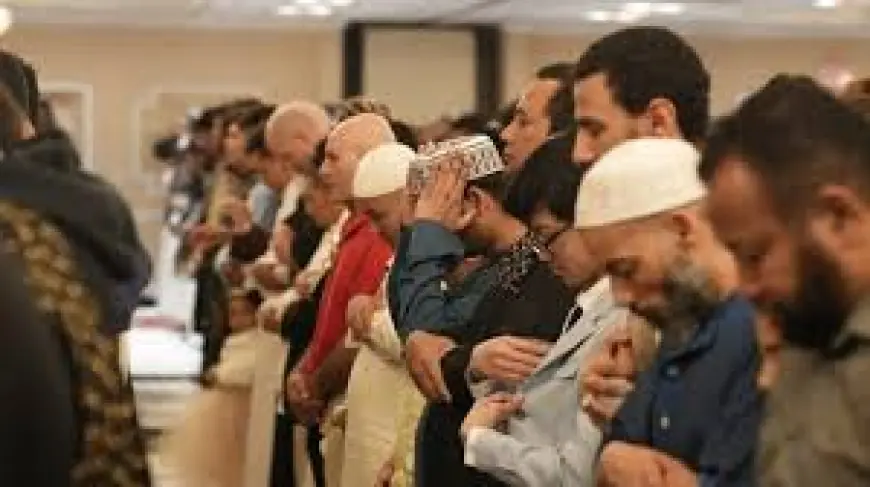
Muslim communities around the world are preparing for Ramadan, the ninth month of the Islamic lunar calendar marked by fasting, prayer and community gatherings. For 2026, the observance is expected to begin in mid-February, but the exact day will vary by location based on moon sightings and local religious authorities.
How the start date is determined
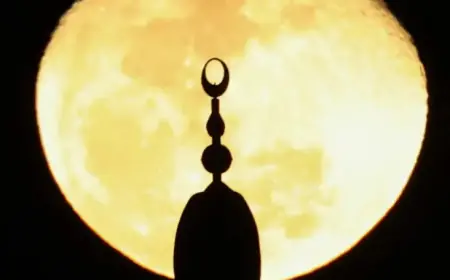
Ramadan begins with the sighting of the new crescent moon, which can lead to different start dates in different countries and communities. For 2026, many nations declared the start on Wednesday, Feb. 18 ET, while others placed the beginning on Feb. 19 ET. In some North American communities, the observance may effectively begin on the evening of Feb. 17 ET, with Feb. 18 ET then marking the first full day of fasting.
The lunar calendar shifts about 10 to 12 days earlier each solar year, so the month moves through the seasons over time. Because local visibility of the thin crescent can differ with weather and geography, communities often follow either a local sighting, the declaration of a nearby country, or a consensus reached by regional religious committees.
What observance looks like during the month
Fasting is observed from dawn until sunset. Participating Muslims abstain from food, drink (including water) and other behaviors during daylight hours as part of a broader focus on spiritual reflection, increased prayer, charity and reading of the Qur’an. Meals are centered on a pre-dawn meal called Suhoor and a post-sunset meal called Iftar, when families and communities often gather to break the fast together.
Ramadan is one of the five pillars of Islam for those who are able, and it is widely viewed as a time for spiritual renewal. Nightly worship often includes additional prayers, and charities frequently organize drives to support those in need. In places where Muslim communities are smaller or geographically spread out, mosques and organizations arrange communal events to help people come together and maintain a sense of belonging.
What to expect this year: timing and Eid al-Fitr
Because start dates can differ, the expected end of Ramadan will also vary. If the month starts on Feb. 18 ET, the fasting period is likely to conclude around Mar. 19 ET; if it starts on Feb. 19 ET, Ramadan would more likely end around Mar. 20 ET. Eid al-Fitr, the festival that marks the end of Ramadan and the start of the next lunar month, is celebrated on the day following the final fast and will fall roughly in that March window.
Communities generally announce final decisions on the exact date of Eid shortly before the end of Ramadan, based again on crescent sighting determinations. Observers and visitors planning to attend mosque services or community Iftars should check with local religious centers for the confirmed schedule in their area.
For many Muslims, this Ramadan is also notable because it coincides with other cultural observances that move with different calendars. The overlap can shape how communities plan events and communal meals, adding additional moments for interfaith outreach, charity and public engagement.
As always, Ramadan remains a deeply personal and communal month: a time of fasting and worship for those who observe, and a period when broader communities often see increased public programs, charitable activity and family gatherings tied to the rhythm of Suhoor, Iftar and nightly prayers.