






















lent 2026 Begins After Rare Overlap of Lunar New Year, Mardi Gras and Solar Eclipse

lent 2026 officially begins on Ash Wednesday, Feb. 18 (ET), arriving immediately after an extraordinary day on Feb. 17 when Lunar New Year celebrations, Mardi Gras festivities and an annular solar eclipse converged. The back-to-back observances created a packed cultural and celestial calendar that stretched communities from New Orleans to parts of the Southern Hemisphere.
A rare celestial and cultural concurrence
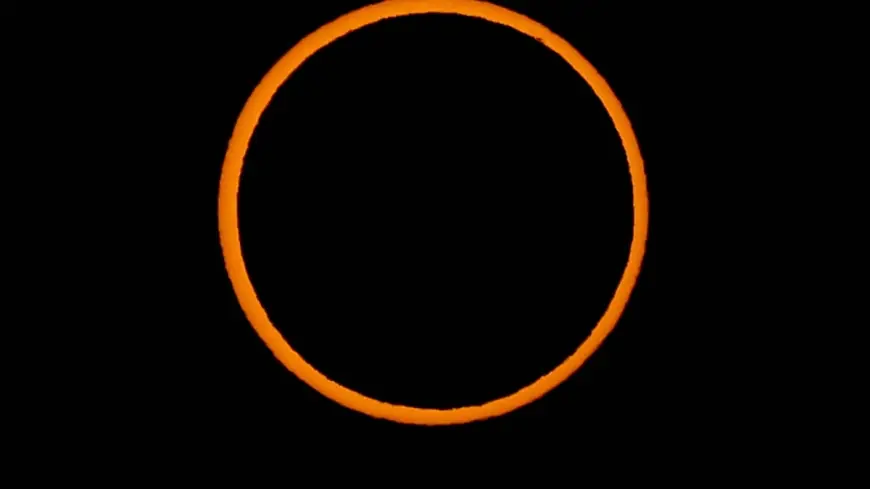
The week of Feb. 15 delivered an unusual clustering of events. Lunar New Year began the night of Tuesday, Feb. 17 (ET), launching a 15-day festival that runs through the Lantern Festival on Monday, March 3 (ET). That same day marked Mardi Gras, the culmination of Carnival season in many cities, and an annular solar eclipse produced a striking “ring of fire” where geographic conditions allowed.
The annular eclipse was most visible from remote sections of Antarctica, with much smaller partial views in southern reaches of South America, Madagascar and parts of Africa. The celestial event concluded as daylight moved across the globe; as of 9: 37 a. m. ET on Feb. 17 the annular phase had ended.
Historically, overlaps of these calendar-based observances are uncommon. Records indicate Mardi Gras and Lunar New Year have coincided only a handful of times since the mid-20th century, and the simultaneous appearance of Ramadan, Mardi Gras and Lunar New Year on the same date is exceptionally rare. The shifting lunar calendars that govern both the Islamic and East Asian traditional years make such alignments possible but infrequent.
How communities are marking overlapping observances
Cities and communities approached the week with layered festivities and religious observance. In the U. S. Gulf Coast, Fat Tuesday remains a focal point for parades, king cake and communal gatherings. Other major centers with large Asian communities held parades and cultural events later in the week, including scheduled dragon parades and public celebrations planned in major cities over the weekend following the New Year’s start.
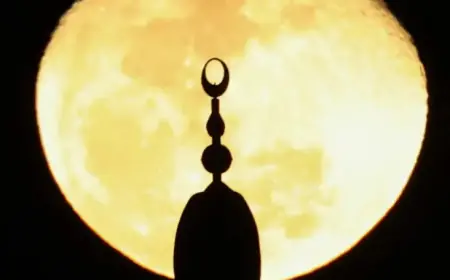
Religious calendars also intersected. Ash Wednesday on Feb. 18 (ET) ushers in lent 2026, the traditional 40-day Christian season of fasting, reflection and preparation for Easter; Lent runs through Holy Thursday on April 2 (ET), ahead of Easter Sunday on April 5 (ET). Ramadan, the Islamic month of daytime fasting and heightened prayer, typically begins with the sighting of the new crescent moon; the start for this cycle may vary by one day depending on local moon sightings and community practice, and the month will conclude with Eid al-Fitr in mid- to late March.
The overlap required many communities to balance celebratory activities with religious obligations. Public events continued in many places while houses of worship prepared for Ash Wednesday services and Muslim communities confirmed observances tied to moon sighting committees and local practice.
What to expect as the week unfolds
Expect continued cultural programming tied to Lunar New Year through early March, with parades, food festivals and family observances concentrated in neighborhoods that mark the holiday. Carnival-related events in some regions follow formal parade calendars that extend for days, while other cities shifted flagship celebrations to weekends surrounding Feb. 17.
Religious observances will govern daily rhythms for many: Lent encourages daily reflection and, for some, moderated eating or other forms of sacrifice through early April. Ramadan’s daylight fasts and nightly communal prayers will shape routines where the holy month is observed. Because both the Lunar New Year and the Islamic calendar follow lunar cycles, future overlaps remain possible but remain governed by the precise timing of new moons and sighting traditions.
The compressed calendar in mid-February 2026 offered a vivid reminder of how celestial mechanics and cultural calendars can collide, producing moments that are at once festive, reflective and, for skywatchers, briefly spectacular.