






















'A sad day' — winter olympics curling cheating row unsettles Canadians

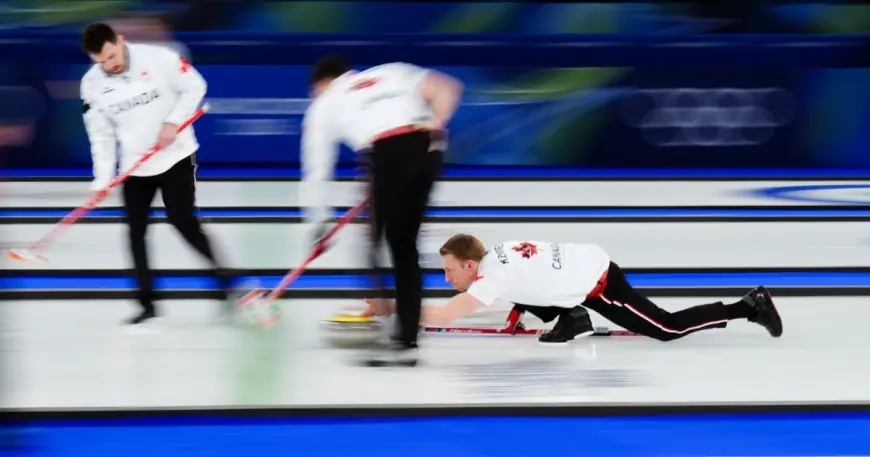
The Canadian curling contingent has been thrust into an intense sportsmanship controversy after accusations of a prohibited second touch during matches sparked heated exchanges, a viral video and sharp public reaction. The unfolding dispute has left players defending their conduct and many Canadians questioning whether the sport's hallmark civility has been breached.
What happened on the ice
The incident first drew attention on Friday (ET) when an opposing player accused Canadian curler Marc Kennedy of double-touching — making contact with the stone a second time after releasing it. A video that quickly circulated online appears to show Kennedy making contact with the stone with a finger after release, prompting immediate blowback and a spirited exchange between the players during play. The confrontation included strong language and drew a verbal warning from the sport's governing body for unsportsmanlike conduct; no formal cheating charge has been laid.
The next day, attention shifted when the Canadian women's skip faced a similar accusation. Both athletes have denied any intent to gain advantage, arguing their actions did not alter the outcome of the stones in play. One of the men involved acknowledged his emotional response, saying he could have handled the situation better but defended standing up for teammates and his years-long commitment to fair play.
Reaction at home and in the curling community
The controversy has rippled beyond the rink. Interviews with locals and visitors in Montreal captured a range of reactions — from disappointment to a pragmatic view that high-profile disputes often draw fresh interest to a sport. Some expressed that a perceived breach of integrity runs counter to Canada's national self-image of courtesy and fair play. "It's a sad day for Canadian sport, " said one Albertan, while another remarked that without sportsmanship, it's no longer sport. At the Royal Montreal Curling Club an instructor offered a more measured take: the finger move likely did not affect the stone, but adherence to the rules is essential.
Within curling circles there is unease about the optics. The sport has long prided itself on players calling fouls on themselves and upholding an honor code that acts as a critical policing mechanism. When allegations emerge on an Olympic stage — amplified by viral video — that informal enforcement comes under strain, and officials are forced to weigh intent against perception. The exchanges witnessed at the rink, including the use of expletives, have further fueled debate over appropriate conduct under pressure.
What this means for the sport going forward
For Canada's teams, the immediate priority is competitive focus: they remain dominant forces in curling with deep Olympic pedigrees, and leadership has emphasized that isolated incidents should not define athletes' careers. Still, the episode raises difficult questions about how to preserve curling's culture of honesty in an era of instant replay and social media amplification.
Officials and coaches will likely feel pressure to clarify enforcement and ensure players understand the fine line between judgment calls made in real time and infractions that warrant formal review. Meanwhile, some in the community see a silver lining: heightened attention could draw new spectators and participants to the sport, though not without a reputational cost if questions about sportsmanship linger.
At the centre of the debate are everyday expectations that athletes will play within both the written rules and the unwritten code that has long defined curling. Whether the current row proves a temporary storm or a catalyst for procedural change remains to be seen, but for many Canadians the episode has been an uncomfortable reminder that sport can be as much about character as it is about medals.