
























ramadan 2026: Saudi moon sighting confirms start at sundown Feb. 17 (ET)

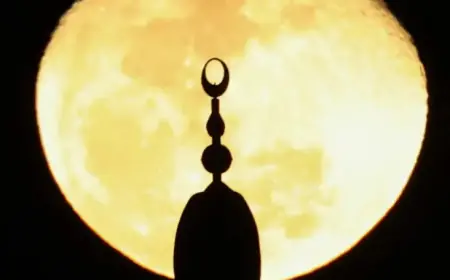
Moon spotters in Saudi Arabia verified the waxing crescent on Tuesday, Feb. 17, 2026, meaning the Islamic holy month of Ramadan will begin at sundown that evening (ET), with the first full day of fasting falling on Wednesday, Feb. 18, 2026. The announcement offers clarity for nearly 2 billion Muslims around the world planning worship, community meals and charity during the month.
When Ramadan 2026 begins (ET) and how the date is set
The start of each Islamic month is determined by sighting the thin waxing crescent that appears after the new moon. For ramadan 2026, trained moon spotters in Saudi Arabia confirmed the crescent on the evening of Tuesday, Feb. 17, 2026, so the fast begins at sundown that day and runs from dawn to dusk on Wednesday, Feb. 18, 2026 (ET) for observers following that confirmation. The holy month will last 29 or 30 days, ending with the festival of Eid al-Fitr, which is likely to begin on the night of March 18, 2026, depending on the final sighting at the month’s close.
The Islamic Hijri calendar is a lunar calendar of 12 months that are 29 or 30 days long. Each year, the start of Ramadan shifts about 10 to 12 days earlier on the Gregorian calendar. That movement is why ramadan 2026 overlaps with a number of other observances in some countries, including Presidents Day, Mardi Gras and Ash Wednesday.
What Muslims observe during the month
Ramadan is the ninth month of the Islamic lunar year and commemorates the revelation of the Quran to the Prophet Muhammad. Observant adults who have reached puberty and are healthy abstain from food, drink (including water), smoking and sexual relations from dawn until sunset. The daily routine typically includes a pre-dawn meal called suhoor, a fast through daylight hours, and breaking the fast at sunset with iftar.
Beyond fasting, the month emphasizes spiritual practice: increased prayer, Quranic reading, charitable giving and cultivating self-discipline and compassion. Many congregations also perform Taraweeh, an additional nightly prayer during Ramadan. The period includes the Last Ten Nights, when worshippers often seek Laylat al-Qadr, the Night of Power, traditionally marked on one of the odd-numbered nights near the month’s end.
Fasting hours vary widely by location. On the first day of ramadan 2026, most people in the Northern Hemisphere can expect shorter fasts—roughly 12 to 13 hours—while those in the Southern Hemisphere may face longer fasts of about 14 to 15 hours. Extremes occur at high latitudes, where local communities follow established religious guidance to set practical rules for fasting.
Exemptions, community practices and workplace considerations
Islamic law exempts certain groups from fasting: the ill, young children, the elderly who cannot fast, pregnant and nursing women, and travelers. Those who do not fast for a temporary reason are encouraged to make up the missed days later. People unable to make up missed fasts due to chronic illness may give fidya, a donation to provide meals for those in need in place of each missed day.
Communities widely mark Ramadan with nightly iftars that bring families and neighbors together, and many mosques host open iftars and food drives. Non-Muslims are often invited to participate in iftar dinners, a gesture of hospitality and community building.
In workplaces and schools, those observing the fast may adjust schedules, arrive early for suhoor or leave early for evening prayers. Colleagues and organizers can show consideration by scheduling events that do not center on midday meals, offering flexible hours and being mindful of energy levels during fasting hours.
Ramadan concludes with Eid al-Fitr, a day of communal prayer, festive meals, new clothing and charitable giving. Greetings exchanged during the month include phrases that wish others a blessed or generous month and a joyous Eid when it arrives.