



















Colbert accuses administration of censorship after network pulls interview with james talarico

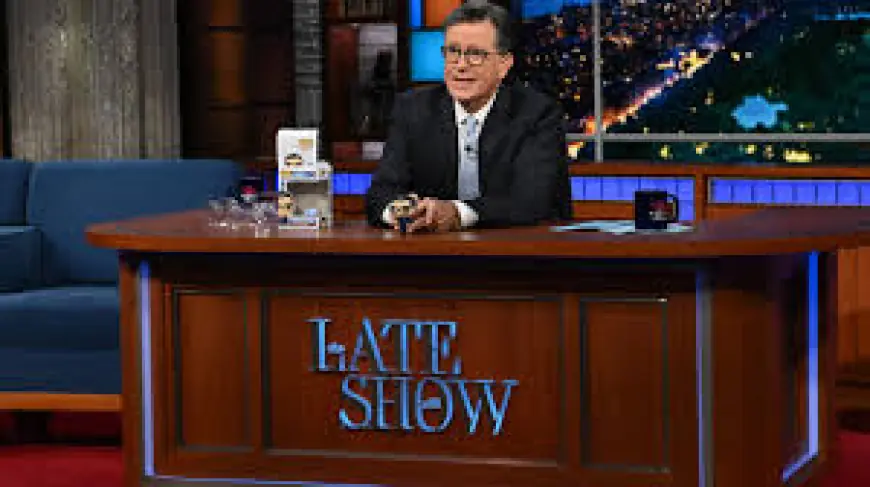
Late-night host Stephen Colbert has publicly accused the current administration of seeking to silence critics after his program was prevented from airing a television interview with james talarico, a Texas Democrat running in the Senate primary. Network legal counsel warned the show that broadcasting the segment could trigger federally mandated equal-time obligations for rival candidates, a claim that has renewed debate over how election rules affect political coverage on broadcast television.
Network lawyers warn of equal-time rule; interview moved online
Colbert told viewers that lawyers for the broadcaster instructed the show that the interview could not be carried on television, citing the possibility that airing a candidate would obligate the network to provide comparable access to other contenders. The host said the legal advice extended to a ban on publicly discussing the decision on air, prompting him to push the content to the program’s online channel outside the regulatory scope of over-the-air broadcasting.
The move circumvented the equal-time obligation tied to the Communications Act of 1934, which can apply when a broadcast outlet gives a legally qualified candidate airtime. Federal regulators have recently reissued guidance emphasizing that daytime and late-night entertainment programs remain subject to these rules during election cycles, and that broadcasters should be mindful of potential equal-access triggers.
Regulatory and political tensions rise over media freedom
The episode has heightened scrutiny of how election rules are being enforced and whether that enforcement is influencing editorial decisions. Colbert framed the network’s action as part of a broader campaign by the administration to intimidate broadcasters and silence critical voices. He specifically criticized the chair of the federal communications authority for what he called aggressive oversight that chills political content on television.
One commissioner voiced concern about what she characterized as corporate capitulation to political pressure, arguing that broadcasters must resist unlawful intimidation and protect free expression. Legal advisers to networks, meanwhile, emphasize caution: when a candidate appears on a broadcast program, the station may face an obligation to offer equal time to other legally qualified candidates, or to take other steps to avoid triggering an equal-access obligation.
Proponents of stricter enforcement say the equal-time provisions exist to preserve fairness during election seasons. Critics counter that the guidance is being interpreted in ways that discourage substantive political discussion on mainstream entertainment platforms, effectively narrowing venues where candidates can reach viewers.
Broader fallout and what comes next
The controversy arrives as the program prepares to end its run later this spring after the network canceled the show. That decision, combined with questions about corporate ownership and editorial independence, has intensified debate over whether corporate media entities are yielding to political pressure when faced with regulatory risk.
Legal experts suggest networks will continue to weigh the risks of on-air candidate appearances against their editorial missions. Some stations may opt to steer candidate interviews to online-only formats to avoid triggering equal-time requirements, but that strategy raises concerns about reach and transparency given the different regulatory environments for online platforms versus broadcast television.
As the primary season approaches, the intersection of campaign law, regulatory oversight and editorial judgment is likely to produce more disputes. For now, the incident has underscored how longstanding statutory rules can shape contemporary media decisions, and how those decisions are being cast as partisan flashpoints in an increasingly fraught media landscape.