























pam bondi Faces Backlash After Contentious Epstein Files Hearing

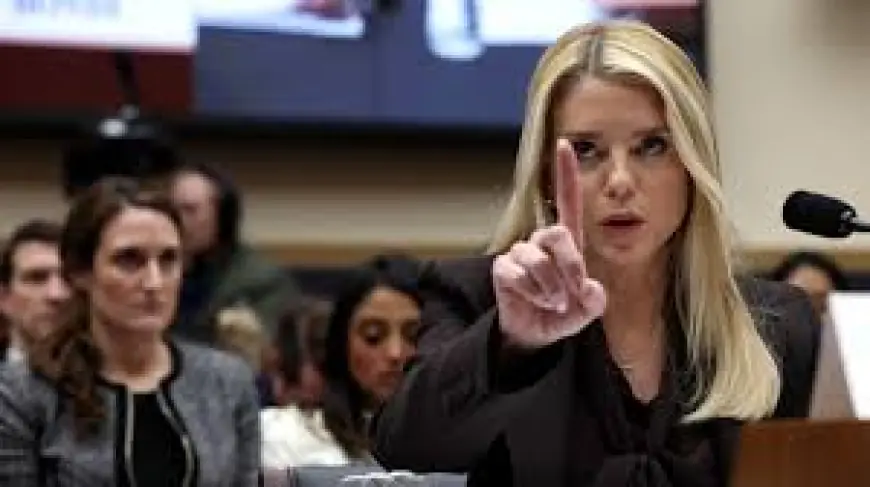
Attorney General pam bondi confronted fierce scrutiny this week following a heated House Judiciary Committee hearing and the Justice Department’s troubled release of Jeffrey Epstein–related materials. Lawmakers and survivors called the session a low point in the government’s handling of sensitive evidence, saying the department failed to safeguard victims’ privacy while protecting powerful figures.
Combative testimony and shocking moments
The hearing opened with survivors of abuse in the gallery and lawmakers pressing the attorney general about the circumstances of the document release. The exchange quickly became combative: multiple members of the committee were mocked by the attorney general during testimony, and at one point she pushed back against requests for an apology by demanding apologies for the president. Committee members on both sides of the aisle expressed disbelief at some of the attorney general’s remarks and demeanor.
Lawmakers who had pushed for more transparency framed the session as a reckoning that instead exposed the Justice Department’s internal missteps. Representative Thomas Massie and Representative Ro Khanna — both involved in the push to make the files public — have characterized the release as deeply flawed, with a large portion of material still heavily redacted. Critics in the room emphasized that while many pages remained sealed, sensitive images and unredacted details nevertheless appeared online in the initial upload, compounding trauma for survivors.
Privacy failures and selective redactions
At the center of the controversy is the department’s execution of a court-ordered or committee-driven mandate to release documents tied to the Epstein investigation. Instead of a careful, victim-centered rollout, the Justice Department allowed dozens of unredacted images to be posted, including intimate photographs of women who were described as minors at the time. Survivors attending the hearing said the mistake re-victimized them and demonstrated a reckless approach to protecting privacy.
Questions have also been raised about the pattern of redactions. Observers noted that while victims’ identities and images were left exposed in some instances, the identities of several wealthy and powerful men remained obscured. That perceived imbalance has fed allegations that the release was managed in a way that shielded elites while exposing survivors — fueling calls for a clearer public explanation of the department’s redaction rationale and chain of custody for the documents.
Political fallout and demands for accountability
The hearing’s tone and the stakes of the document release have thrust the attorney general into the political crosshairs. Lawmakers demanded answers about how decisions were made, who authorized the initial upload, and what safeguards will be implemented to prevent further breaches. Survivors and advocacy groups pressed for immediate steps to remove sensitive content and to provide support and restitution for those harmed by the disclosure.
Some members of Congress signaled they will pursue additional oversight, including subpoenas and follow-up hearings, until a satisfactory accounting is provided. Others warned that the episode highlights broader concerns about the department’s priorities when politically charged investigations intersect with high-profile figures.
For now, the episode leaves an unresolved question about how to balance transparency with protection of victims and whether institutional reforms will follow. The attorney general’s conduct this week — and the department’s operational failures — have deepened public scrutiny and set the stage for continued political and legal battles in the coming weeks.