

























weather los angeles: Storms bring snow and rain to Southern California as more systems approach

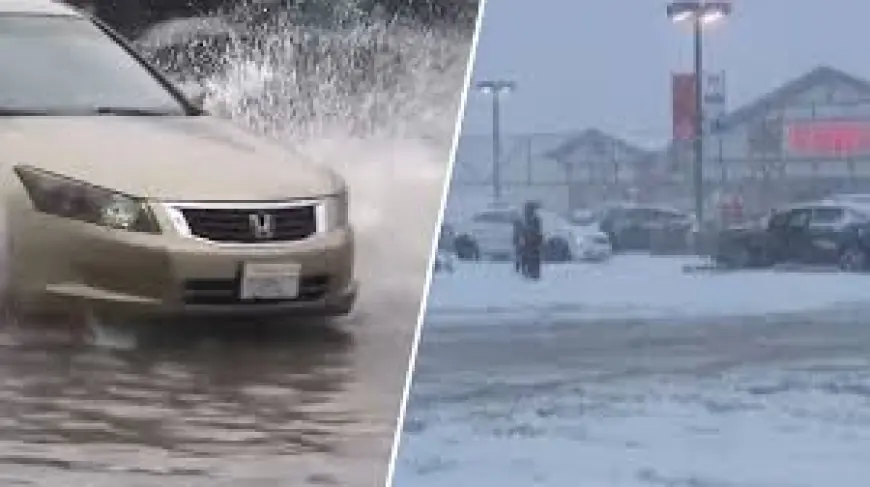
Snow and periods of heavy rain swept across Southern California over the midweek period, leaving mountain passes coated in snow and lower elevations dealing with localized flooding and travel disruption. Forecasters say additional Pacific systems are lined up for this week, keeping the region on alert for more unsettled conditions.
What happened this week
Beginning in the late hours of Feb. 17 and continuing through Feb. 18, storm bands pushed inland from the Pacific, producing mountain snowfall and steady rain along coastal and valley areas. By 11: 00 p. m. ET on Feb. 17, higher elevations had already recorded measurable snow accumulations that prompted temporary chain controls and slowed traffic on several passes. In urban and suburban corridors, downpours produced standing water at low points and a handful of road closures linked to flooded underpasses.
Power interruptions and downed branches were reported in scattered neighborhoods after gusty winds accompanied the heavier showers. Utility crews staged for rapid response as conditions allowed, and local emergency services prioritized clearing obstructed roadways and assisting motorists stranded by high water or slick roads.
What to expect next
Forecasters outline a pattern of additional Pacific disturbances expected to move through the region over the coming days. Each system will carry the potential for renewed mountain snow, rain at lower elevations, and periods of gusty winds. Timing may vary, but the window for renewed impacts spans the remainder of the week and into the weekend.
Travelers should anticipate ongoing winter driving conditions in the mountains, with possible chain controls on major routes. Lowland drivers should be prepared for reduced visibility in heavy showers and water pooling on roadways after sustained rainfall. Public safety officials recommend allowing extra travel time, avoiding driving through standing water, and keeping an emergency kit in vehicles if travel is necessary.
Impacts and precautions
Accumulated mountain snow will benefit the seasonal snowpack, but it also raises avalanche risk in steep terrain—recreational users should exercise caution and check official safety briefings before venturing into backcountry areas. In lower elevations, repeated rounds of rain increase the chance for saturated soils, localized flooding, and mudslides in burn-scarred zones. Property owners in vulnerable areas are advised to clear drains and secure outdoor items that could be swept away by runoff.
Schools, transit agencies, and road authorities may adjust schedules or issue travel advisories as systems continue to evolve. Residents are urged to monitor local alerts and be prepared to change plans at short notice. If encountering flooded roads, turn around and find an alternate route; attempting to cross high water puts lives at risk.
Emergency personnel remain on heightened alert to respond to weather-related incidents. With more systems expected, community leaders emphasize preparedness: charge devices, stock basic supplies, and follow guidance from local public safety officials as conditions change. Updates will be issued as new information becomes available.